
Apple Patents Smooth Audio Transitions When You Move Between Listening Environments
Anyone who has worn AirPods and walked through a doorway knows the jarring moment when spatial audio snaps from one acoustic setting to another. Apple is patenting a method to turn that snap into a smooth fade.
What Apple's audio crossfade patent actually does
Imagine you're wearing headphones in a music app that makes sound feel like it's coming from a real room around you. The app knows you're in your living room, so it shapes the audio to match. Now you walk outside, and the app needs to switch to an outdoor sound profile. Right now, that switch can feel abrupt, like someone flipped a switch.
Apple's patent describes a way to blend the two audio "room profiles" together during that transition, creating a short in-between sound that fades smoothly from one to the other. Instead of hearing a sudden change, you'd hear something more like a gentle crossfade, the way a DJ blends two songs.
The system does this by generating what Apple calls a "hybrid" profile, a mix of the old and new room shapes, and uses that temporary blend to fill the gap. It's a small but real quality-of-life fix for anyone who uses spatial or immersive audio features on Apple devices.
How Apple blends two spatial audio profiles mid-transition
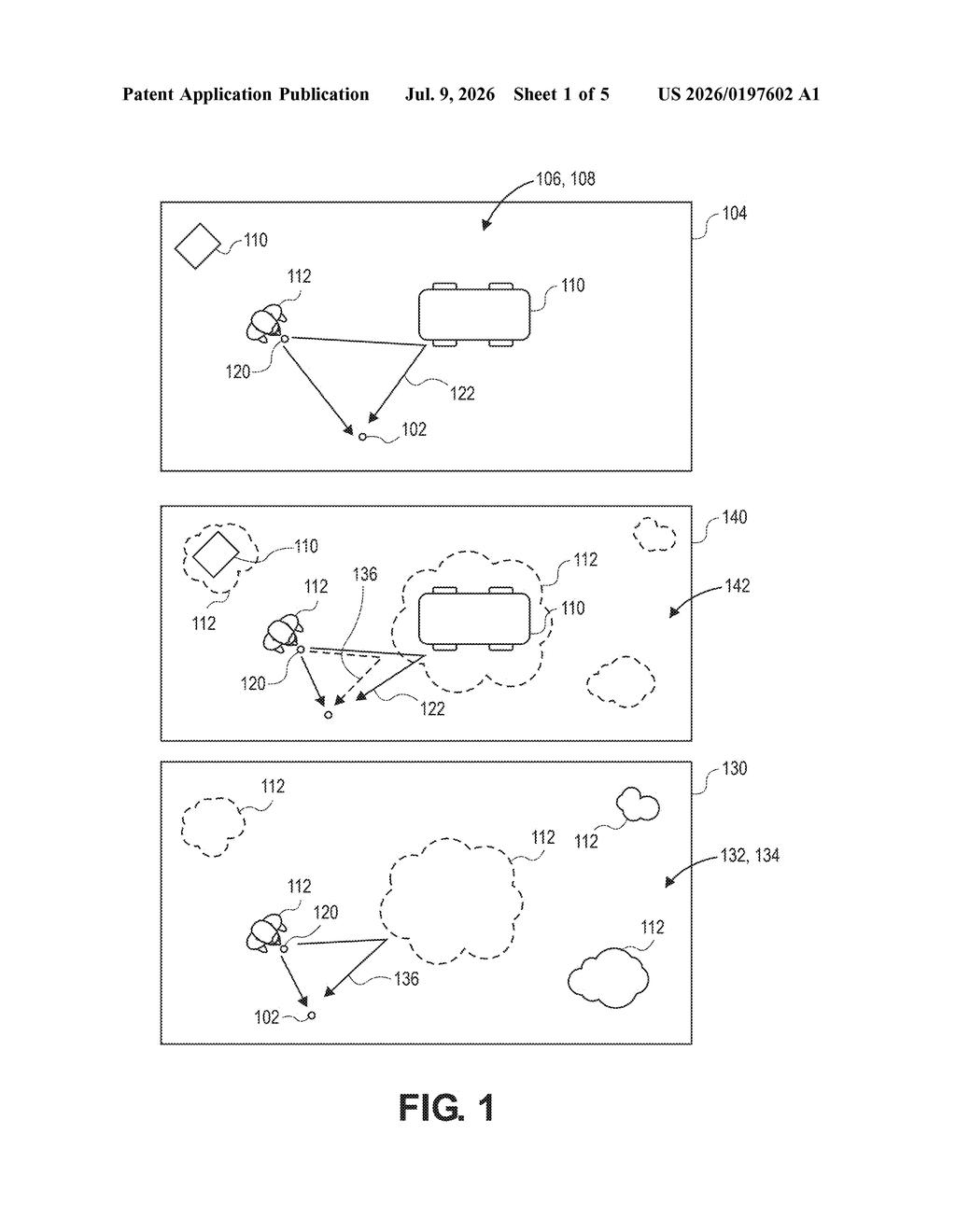
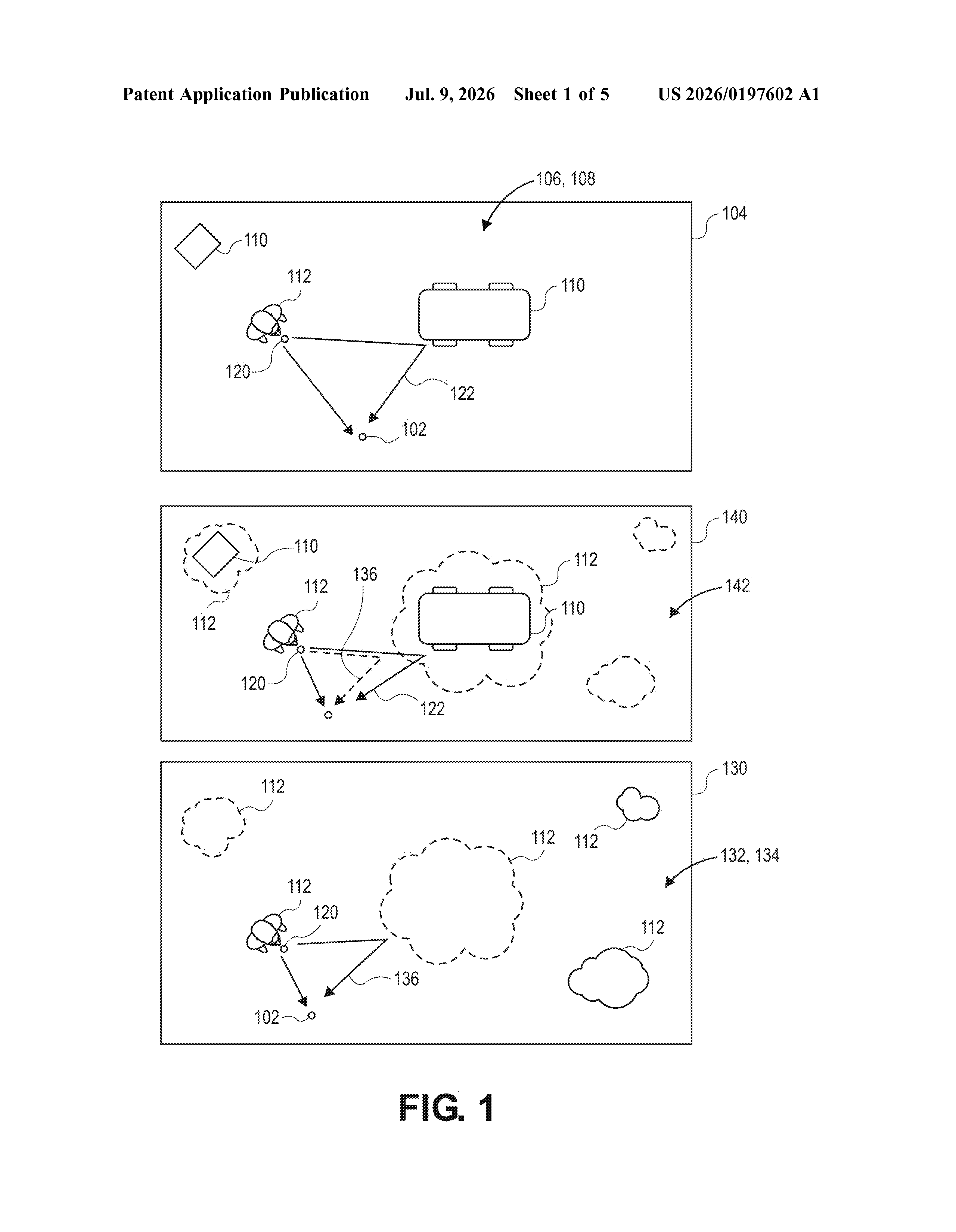
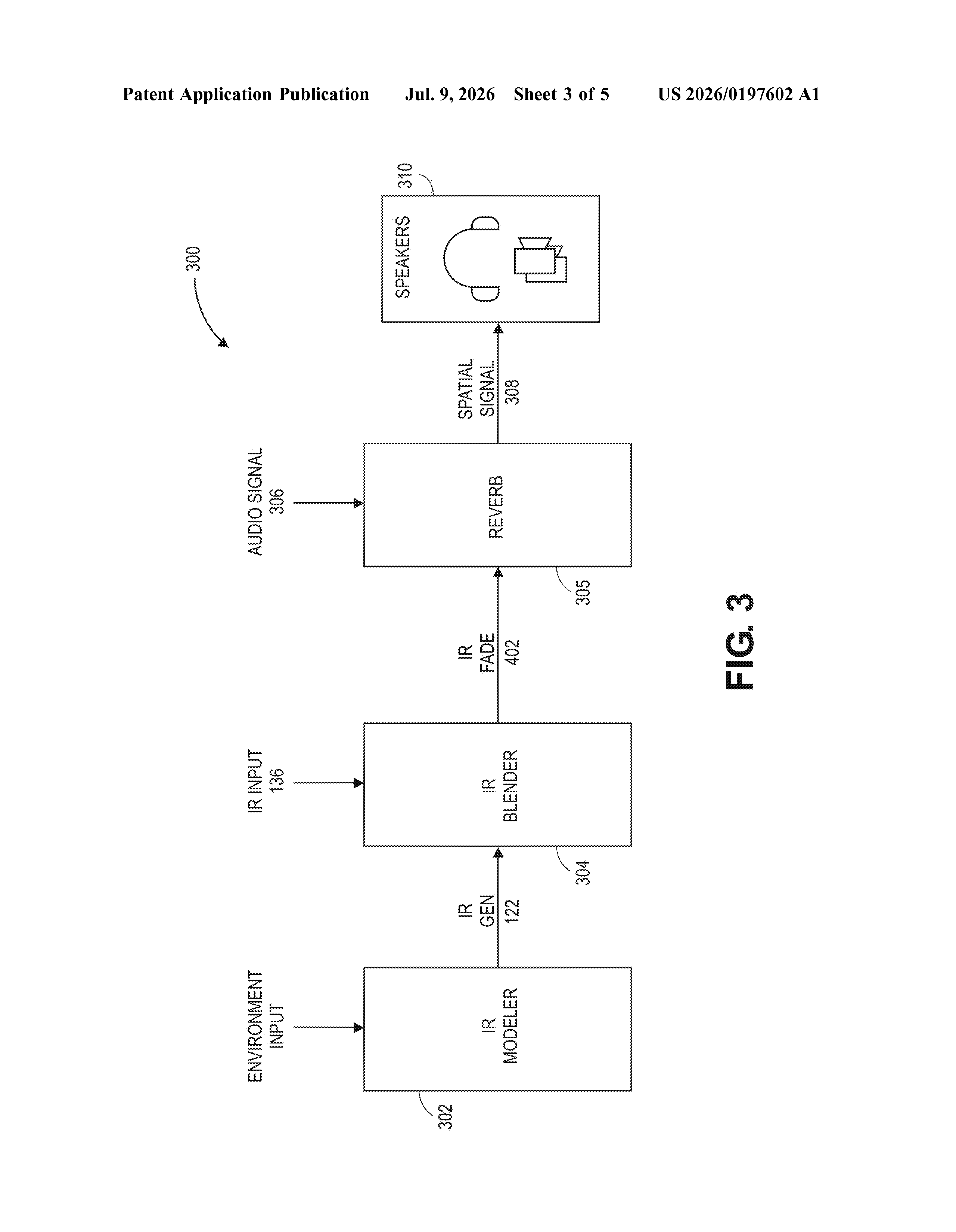
Spatial audio works by applying what engineers call a space impulse response (SIR), essentially a mathematical fingerprint of how sound bounces around a specific environment (a living room, a concert hall, an open field). When audio software knows which environment you're in, it filters your music or movie audio through that fingerprint to make it feel three-dimensional and physically situated.
The problem is transitions. When you move between environments, the system has to swap one impulse response for another. A hard swap produces an audible artifact, a click or a sudden shift in the perceived acoustic space.
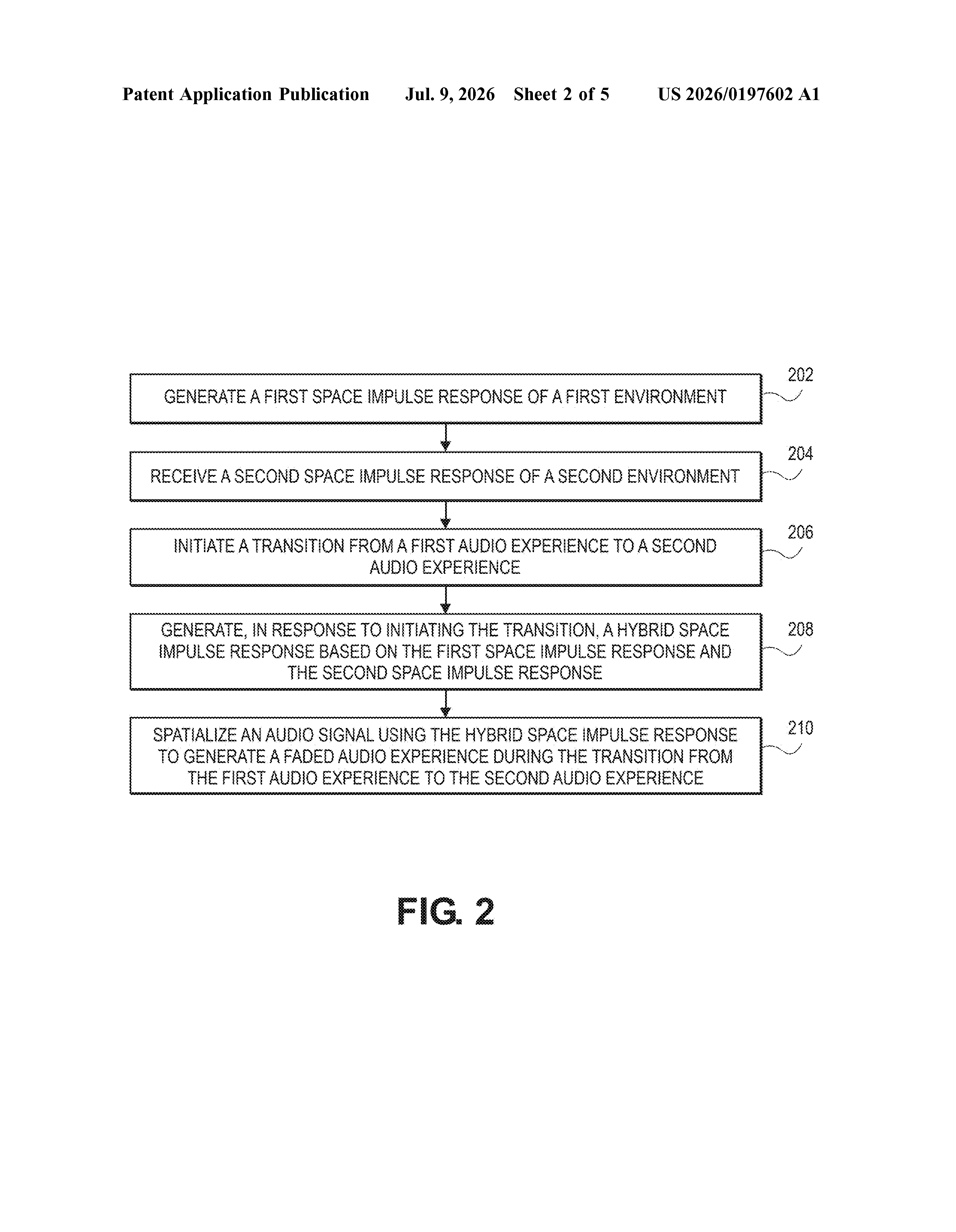
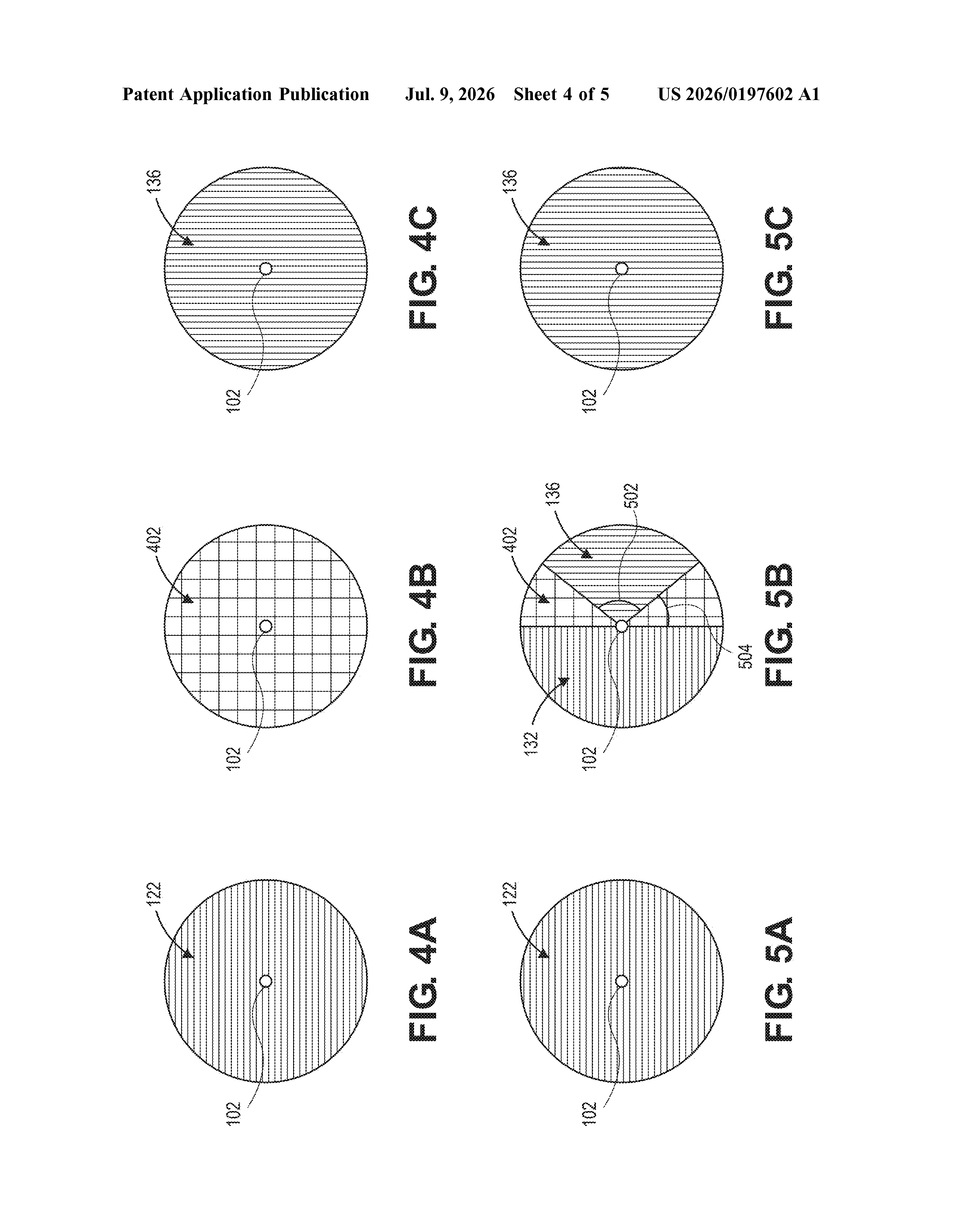
Apple's patent proposes computing a hybrid space impulse response: a blended version of the outgoing room profile and the incoming one. The audio signal is then spatialized using this hybrid during the transition window, creating what the patent calls a "faded audio experience."
- The first audio experience uses a locally generated impulse response (from the device's own acoustic modeling).
- The second audio experience uses an impulse response received from an external source, such as a server or a new environment's sensor data.
- The hybrid is computed by combining both, allowing a time-blended crossfade between the two acoustic states.
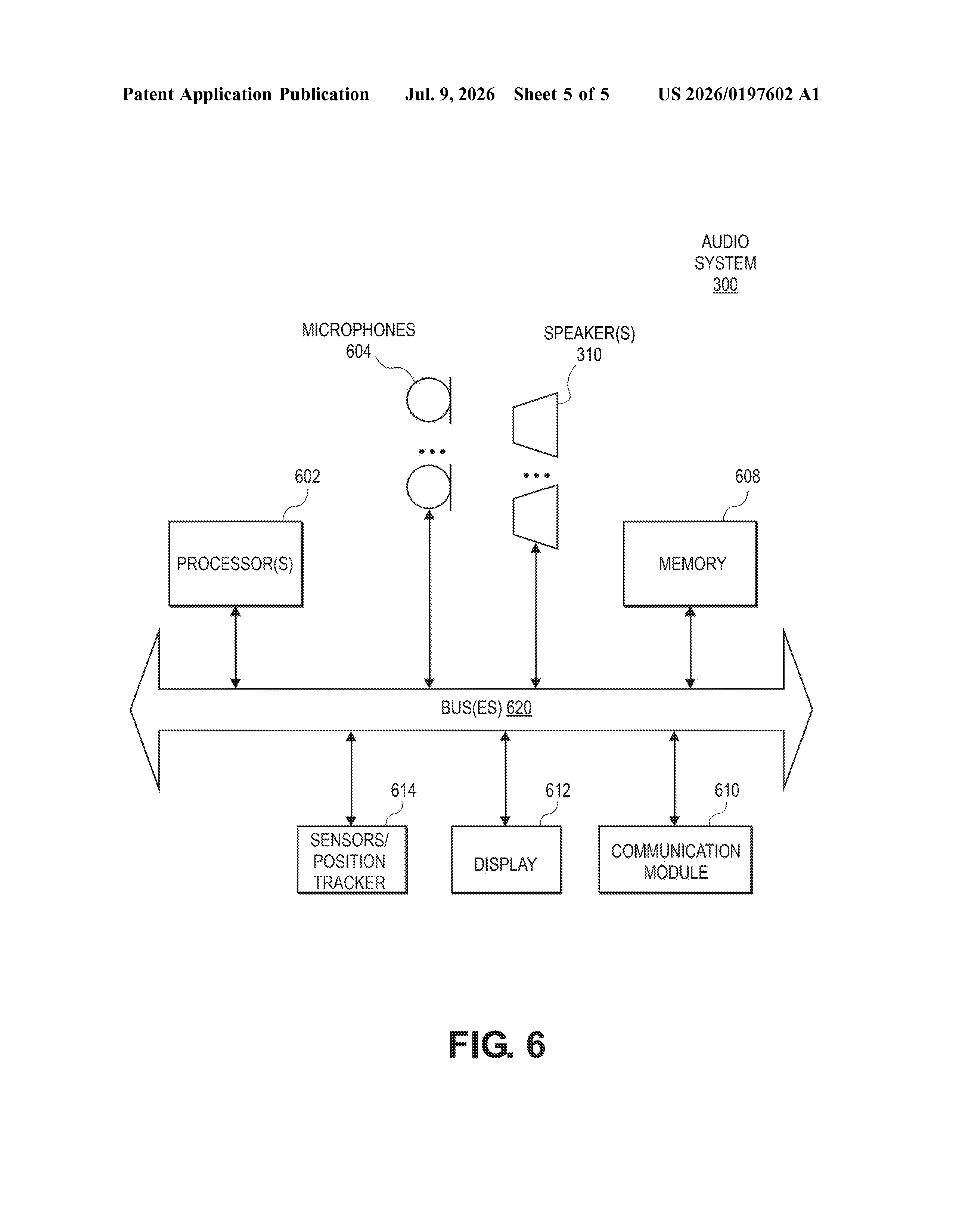
The method is described as general-purpose, applicable to any audio system performing environment-aware spatialization.
What this means for AirPods and spatial audio users
For AirPods Pro users, Apple already markets features like Personalized Spatial Audio and environment-aware playback. Transitions between acoustic zones are a known weak point in that experience. This patent addresses that gap directly, which suggests Apple's audio team has identified it as a real product problem worth solving at the signal-processing level.
More broadly, as spatial and immersive audio becomes standard in headphones and AR/VR headsets, the quality of transitions between virtual and physical acoustic environments will matter more. A smooth fade is a small detail, but small details are what separate audio that feels natural from audio that constantly reminds you it's artificial.
This is focused, unglamorous engineering work aimed at a real friction point in Apple's existing spatial audio products. It won't make headlines, but it's the kind of detail that separates a polished product from a prototype. If this shows up in a future AirPods firmware update, most users will just notice things sound better without knowing why.
Get our take in your Top Stories
Liked this breakdown? Add Patentlyze as a preferred source on Google, and our plain-English take shows up more often in your Top Stories the next time Apple patent news breaks.
There are more where this came from
We read every patent application Big Tech publishes and send you the ones worth knowing. Plain English, free, every week.
The drawings
5 drawing sheets from US 2026/0197602 A1 · click any drawing to enlarge
Want this weekly breakdown for a company we don't cover? Patentlyze Pro →