
Apple Patents a Single-Port Design That Fits a Microphone and Air Sensor Together
Apple is figuring out how to cram a microphone and an environmental sensor into the same tiny hole in a device's housing, which matters a lot when you're trying to build thinner gadgets with fewer visible openings.
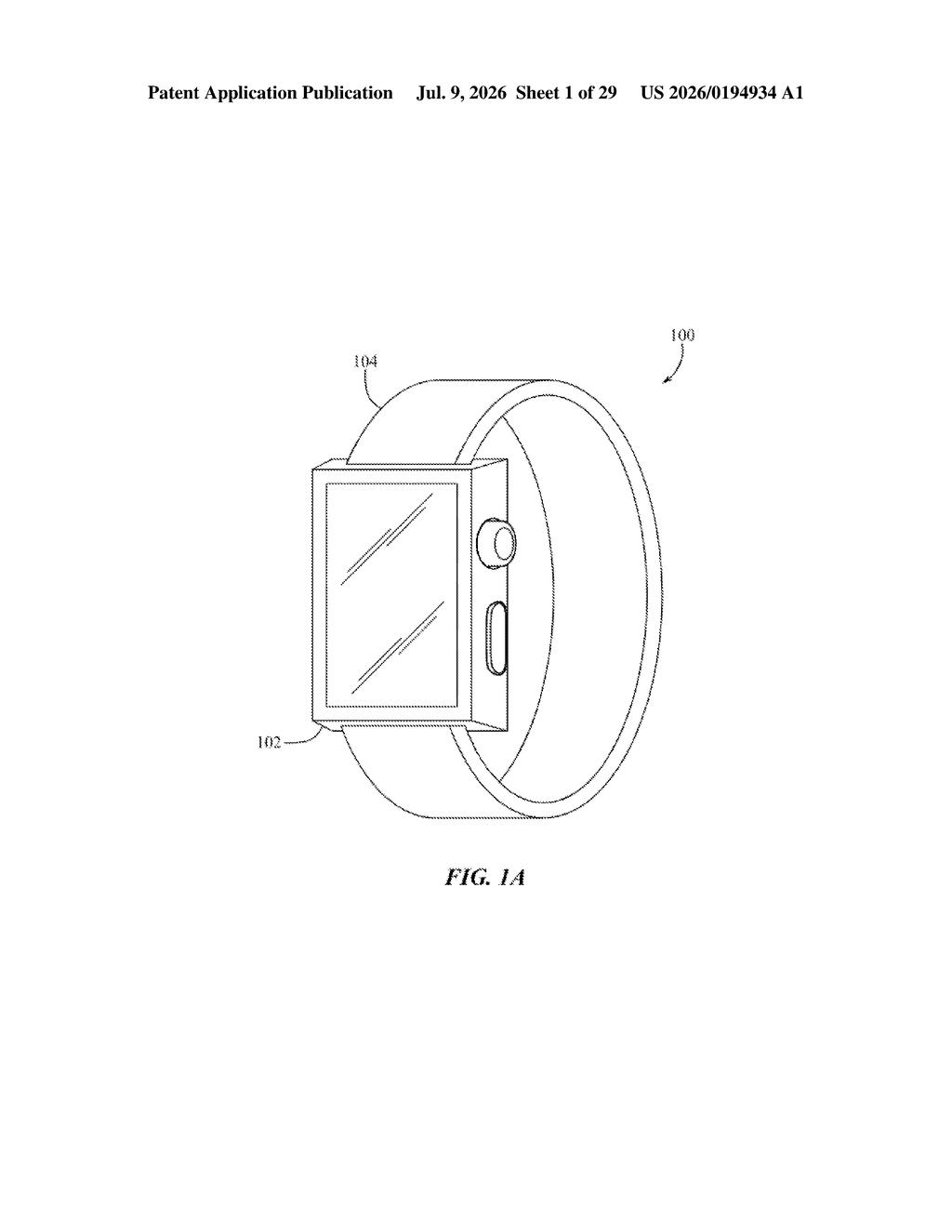
What Apple's shared-port sensor assembly actually does
Imagine your phone or earbuds have a tiny pinhole on the outside. Right now, if a device needs both a microphone and a sensor to measure things like air pressure or humidity, each one typically needs its own dedicated hole. More holes mean more compromises in a device that's already trying to be thin and water-resistant.
Apple's patent describes a way to let a microphone and an environmental sensor share the same opening. A small sealed chamber connects both sensors to that single port, so outside air can reach them both at once without requiring two separate cutouts in the device body.
This is the kind of quiet internal engineering that makes future devices possible: thinner cases, fewer gaps for water to sneak through, and more sensor capability packed into less space. You probably won't notice it when you pick up a device, but it's the reason the design can keep getting cleaner.
How the sealed front volume connects both sensors to one hole
The patent describes a sensor assembly built around a concept called a shared front volume: a small sealed cavity inside the device that sits behind a single aperture (the tiny opening in the housing). Both the microphone and the environmental sensor open into this shared cavity, which means outside air, sound, and atmospheric data all enter through one port.
A seal defines and isolates this cavity from the rest of the device's interior, keeping the two sensors acoustically and environmentally connected to the outside world without exposing internal components to moisture or debris.
The environmental sensor could measure things like barometric pressure, humidity, or temperature, the patent doesn't lock in a specific type, which gives Apple flexibility depending on the product. The microphone picks up sound in the usual way.
By sharing one aperture rather than using two separate holes:
- The device housing stays more structurally intact
- Sealing against water and dust becomes easier with fewer openings to protect
- Industrial design has more freedom since fewer visible ports are needed
What this means for slimmer, sensor-packed Apple devices
As Apple pushes devices thinner and more water-resistant across iPhones, Apple Watch, AirPods, and the HomePod line, every opening in a device's shell becomes a design problem. A port that doubles as both a microphone inlet and an environmental sensor path is one fewer hole to seal, one fewer potential weak point, and one fewer visible break in the surface.
Environmental sensors have been showing up in more wearables and smart speakers for years, tracking altitude during workouts or monitoring indoor air quality. Fitting them alongside microphones without adding new holes is exactly the kind of problem that determines whether a feature makes it into a shipping product or gets cut for space.
This is unglamorous but real engineering work. The single-port sensor assembly solves a genuine constraint that affects almost every Apple product category at once: phones, watches, earbuds, and speakers all need microphones, and environmental sensing is a growing feature. A patent this focused on internal geometry tends to show up in shipping hardware sooner than splashier concepts.
Get our take in your Top Stories
Liked this breakdown? Add Patentlyze as a preferred source on Google, and our plain-English take shows up more often in your Top Stories the next time Apple patent news breaks.
There are more where this came from
We read every patent application Big Tech publishes and send you the ones worth knowing. Plain English, free, every week.
Want this weekly breakdown for a company we don't cover? Patentlyze Pro →