
Apple Patents Technology to Keep Multiple Cameras Producing Consistent, Synchronized Images
When your phone's wide and telephoto cameras look at the same scene, they can disagree on color, exposure, and tone. Apple's new patent describes a system that forces both cameras to reach a consensus before they ever start processing.
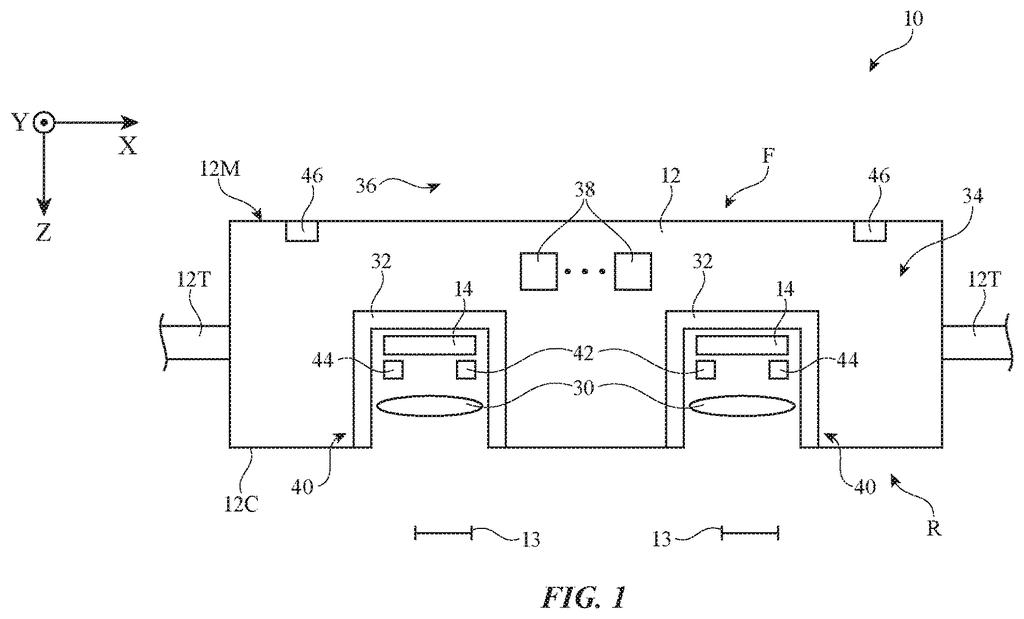
What Apple's multi-camera sync system actually does
Every time you switch camera lenses or shoot a photo that stitches two lenses together, your phone is running two separate image processors that may have very different opinions about the same scene. One might think the light is warm; the other might read it as cool. The result is a seam, a flicker, or a color mismatch you can't quite explain.
Apple's patent describes a system that solves this by finding the part of the scene both cameras can see at the same time, then using that shared slice to agree on a single set of processing rules before either image gets finished. Think of it like two photographers comparing their light meters while pointing at the same wall, then agreeing to use the same settings.
The goal is for photos and video from multiple lenses to look like they came from one camera, not two cameras that happen to be bolted together.
capturing a first image using the first image sensor having a first view of a scene; capturing a second image using the second image sensor having a second view of the scene different than the first view, wherein the first view and the second view coincide in an overlapping view area …
Translation: Two cameras take pictures of a scene from different angles that share a common overlapping area.
How the shared parameter is built from overlapping views
The system involves at least two image sensors pointing at slightly different parts of a scene, but with an overlapping field of view (the area both can see simultaneously). A dedicated image statistics collection subsystem gathers data from each camera about that overlap, things like brightness distribution, color balance, and contrast levels.
A disparity detection subsystem then compares those statistics between the two cameras. If the cameras disagree about how bright or how colorful the overlapping region looks, the system knows there's a mismatch that needs to be corrected before the final image is assembled.
From that comparison, the system computes a shared image signal processing (ISP) control parameter, essentially a unified instruction set that both cameras' processing pipelines then follow. This parameter can be based on:
- Just the overlapping region both cameras share
- The full combined field of view of both cameras together
- Or a combination of both
The result is that both cameras finish processing their images under the same agreed-upon rules, so colors, exposure, and tone match when the frames are combined or compared.
… an image statistics collection subsystem configured to gather first image statistics information associated with the first image and to gather second image statistics information associated with the second image …
Translation: A system gathers data on how each camera is capturing its picture.
What this means for photos taken with multiple lenses
Multi-camera phones have spent years gaining hardware (more lenses, bigger sensors) while the software catching those cameras up to each other has lagged behind. Color seams and exposure jumps when switching lenses are a real, persistent annoyance, and they get worse in tricky lighting where each sensor is more likely to make a different call.
If this approach makes it into shipping hardware, the practical effect would be smoother lens switching in video, more consistent stitched images, and fewer moments where a zoom shot looks like it was taken by a different phone than the wide-angle. Apple's interest in computational photography suggests this is part of a broader push to make multi-lens systems behave as a single coherent camera rather than a collection of independent sensors.
Apple's 50th filing in our cell phone coverage since May joins earlier applications like a prism-tilting camera and a sharpest-frame display in the set we've tracked.
Color mismatches between a phone's camera lenses ruin more photos than most people realize. Every time a shot switches from a wide lens to a zoomed one, the colors, brightness, and tone can shift noticeably, turning what should be a seamless capture into something that looks like two different cameras were used.
The fix here centers on finding what both lenses actually see at the same time and using that shared view as a common reference point. That shared overlap becomes the anchor that pulls both lenses into agreement before the images are processed, rather than trying to patch over differences afterward.
The patent covers multiple ways of defining that anchor, which gives the system flexibility but also leaves open how it decides which approach to use in any given moment. That unanswered question matters, because the situations where color mismatches are most noticeable are exactly the unpredictable ones.
There are more where this came from
We read every patent application Big Tech publishes and send you the ones worth knowing. Plain English, free, every week.
The drawings
6 drawing sheets from US 2026/0303771 A1 · click any drawing to enlarge


Want this weekly breakdown for a company we don't cover? Patentlyze Pro →
Be the first to weigh in