
Qualcomm Patents Technology That Sends Where You Are Looking to the Cloud Before Your Screen Updates
Rendering a convincing AR scene in real time is one of the hardest problems in computing, and Qualcomm thinks the answer is to predict where your head will be pointing before the frame even starts drawing.
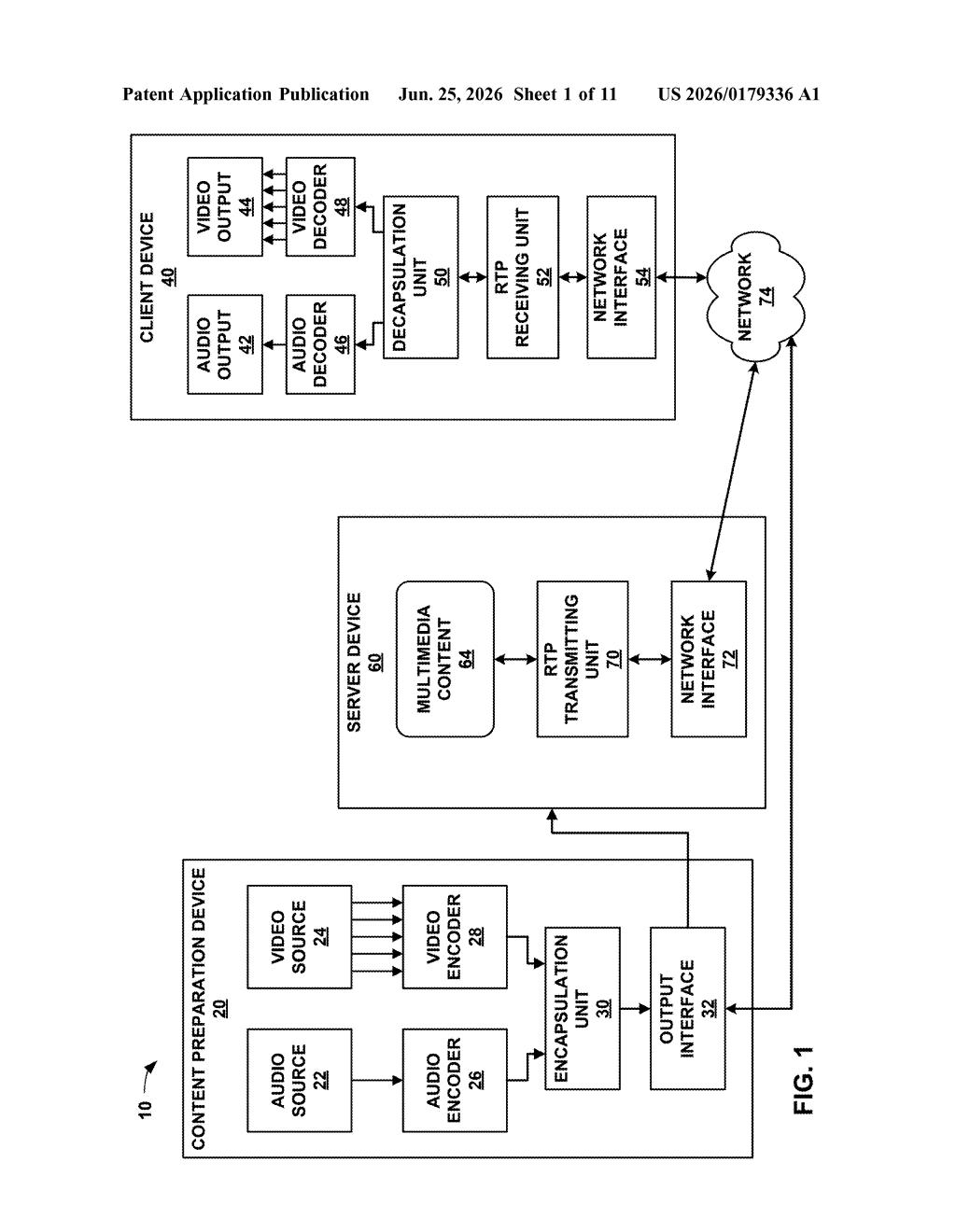
How Qualcomm's AR pose-prediction system actually works
Imagine putting on an AR headset and looking around a room filled with virtual objects. The headset needs to know exactly where your eyes are pointing at every fraction of a second, or the virtual scene will lag behind your movements and make you feel sick. The catch: drawing those virtual objects takes time, even with a powerful computer.
Qualcomm's idea is to split the work. Your headset predicts where your head will be by the time the next frame arrives, and sends that prediction to a server in the cloud. The server uses that prediction to render the image in advance. When the frame lands back on your headset, it already matches where you're looking.
The trick here is that this prediction gets tucked inside the same standard video-streaming packets that the internet already uses, so nothing special needs to be built into every Wi-Fi router or phone network along the way. It's a coordination trick dressed up in familiar plumbing.
How pose data travels inside standard video streaming packets
The patent describes a split rendering architecture, meaning the heavy graphics work happens on a remote server rather than entirely on the headset. The headset handles the lightweight job of sending its position data and doing final touch-ups; the server handles the expensive rendering.
The key technical move is encoding pose information (head position and orientation data) inside an RTP header extension. RTP (Real-Time Transport Protocol) is the standard format the internet uses to stream live audio and video. By tucking pose data into the header of each streaming packet rather than sending it through a separate channel, the system keeps timing tight and avoids extra round-trips.
Before any of this starts, the headset and the server negotiate via SDP (Session Description Protocol), a handshake format used to set up video calls. An "extmap" attribute in that handshake tells the server "I support sending pose data in my packet headers." That negotiation step is what allows the system to work with existing streaming infrastructure without requiring changes to routers or network equipment.
The predicted pose is stamped for a first future time. The server renders a frame matched to that predicted position. When the frame arrives at the headset at a second future time, the headset does a final adjustment and puts it on screen.
What this means for untethered AR headsets and cloud rendering
For AR headsets to go truly wireless, they need to offload rendering to remote servers, and the main enemy of that approach is latency. If the rendered image doesn't match where your head actually ended up, objects appear to float or drift. Qualcomm's approach tries to cancel out that latency by predicting head position in advance and baking it into the rendering request itself.
Because the system uses existing internet standards (RTP and SDP are the same protocols that power video calls), it could work on top of current 5G and Wi-Fi networks without waiting for new infrastructure. For you as a consumer, the practical goal is AR glasses that don't need a tethered gaming PC to look convincing.
This is infrastructure-level work, not a headline feature, but it's genuinely important. The reason AR headsets still feel tethered or sluggish is precisely the latency problem this patent attacks. Qualcomm is building the networking plumbing that any wireless AR device would need, and doing it by fitting into standards the internet already speaks.
There are more where this came from
We read every patent application Big Tech publishes and send you the ones worth knowing. Plain English, free, every week.
Want this weekly breakdown for a company we don't cover? Patentlyze Pro →