
Samsung Patents a System That Fixes Color Misalignment in Video Automatically
Ever noticed a faint color halo or fringe around objects on a screen? That's often a color-alignment problem — and Samsung just filed a patent for a way to detect and correct it automatically, in real time, without any manual calibration.
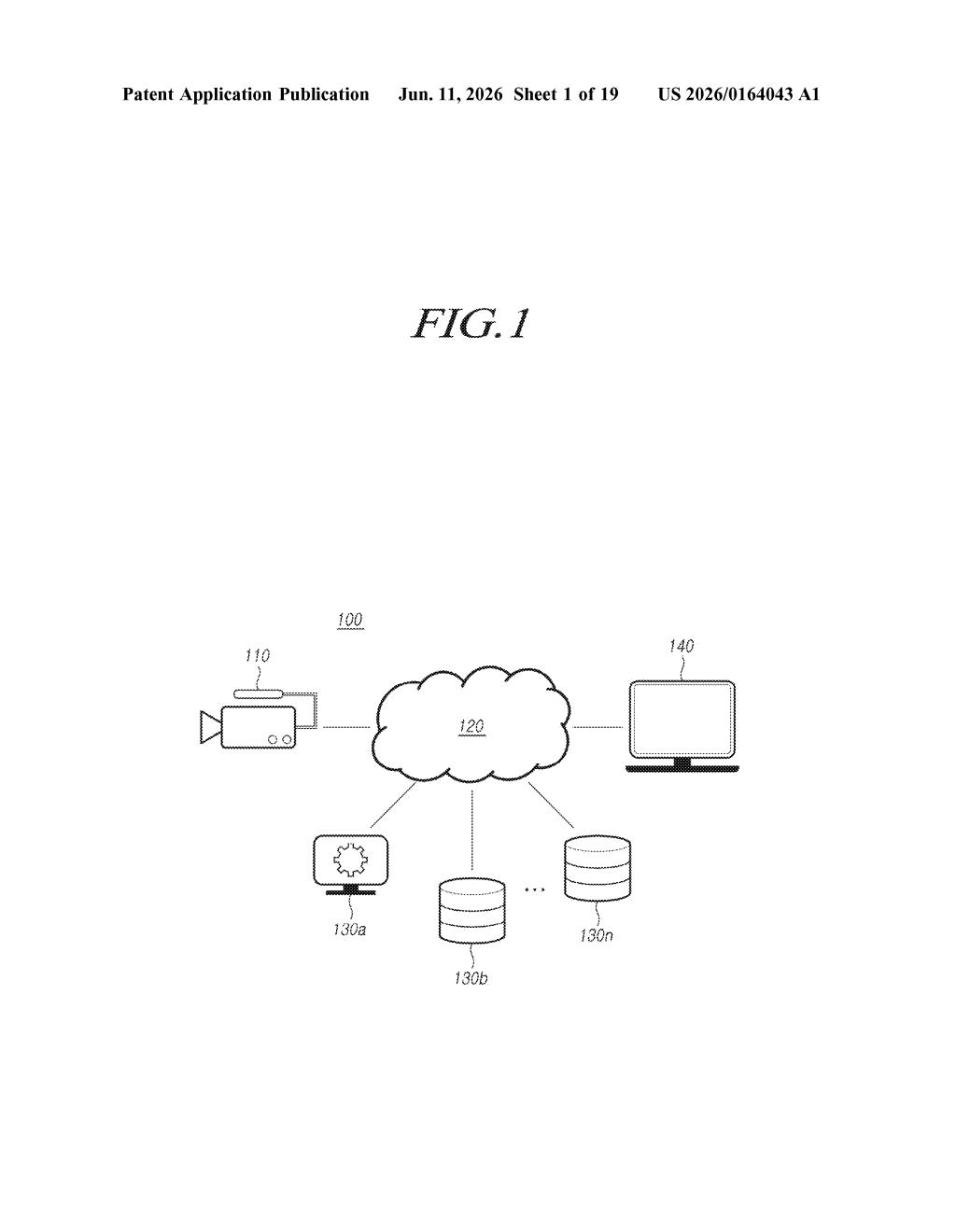
What Samsung's color-sync video fix actually does
Imagine watching a movie and noticing that the reds seem slightly shifted to one side of every object, leaving a ghostly fringe on the edges. That's called color misregistration — the brightness information and the color information in the video signal aren't perfectly lined up. It's a surprisingly common artifact in compressed or transmitted video.
Samsung's patent describes a way for a TV or display device to detect this problem automatically. The device analyzes each frame, takes the brightness channel and the color channel, and tests whether sliding one channel sideways by a small number of pixels would make the two align better.
Whichever shift produces the best match tells the device exactly how far off the channels are. The display can then use that number to regenerate the video signal with everything lined up correctly — no user settings required.
How the processor measures and corrects pixel-channel offset
The patent covers a video processing pipeline built into a display device (a TV, monitor, or similar screen). When video comes in over a communication interface, the processor decodes it and splits it into two separate data sets: a luminance set (the brightness values for each pixel) and a color set (the hue and saturation values for each pixel).
The processor then generates candidate sets by taking one of those channels and horizontally shifting it — pixel by pixel — by a range of predetermined offset values. Think of it like sliding a transparency sheet left or right on a projector.
For each shifted version, the processor computes a correlation (a statistical measure of how closely two data sets match) between the shifted channel and the unshifted one. The shift value that produces the highest correlation is the one that brings the two channels into best alignment.
- Receive and decode incoming video
- Extract luminance and color pixel data separately
- Test multiple horizontal shifts of one channel
- Score each shift by correlation with the other channel
- Reconstruct the video signal using the best-fit shift value
The output is a corrected video signal fed directly to the display — all happening inside the device in real time.
What this means for Samsung displays and video quality
Color-channel misalignment is a known quality issue in broadcast, streaming, and HDMI-sourced video, and it gets worse with heavy compression or long transmission chains. A display that can detect and correct it automatically would improve picture quality without requiring any action from you — or from the source device sending the signal.
For Samsung, which sells millions of televisions and monitors globally, baking this correction into the display's processor is a competitive differentiator in picture quality. It also fits neatly into Samsung's existing investments in on-device video upscaling and AI-enhanced image processing, suggesting this could appear in future Neo QLED or OLED TV lines.
This is a focused, practical patent solving a real and underappreciated image quality problem. It's not flashy AI — it's signal processing done carefully. The correlation-based approach is well-understood mathematically, which means it's likely to work reliably and is probably already implementable in Samsung's existing display chips.
There are more where this came from
We read every patent application Big Tech publishes and send you the ones worth knowing. Plain English, free, every week.
Want this weekly breakdown for a company we don't cover? Patentlyze Pro →