
Samsung Patents Technology to Bend Wide-Angle Photos Into Realistic Curved Scenes
Flat panorama photos have a well-known problem: straight lines bend and distort at the edges. Samsung's new patent attacks that directly by converting a flat panorama into a curved, cylindrical one using depth information already embedded in the image.
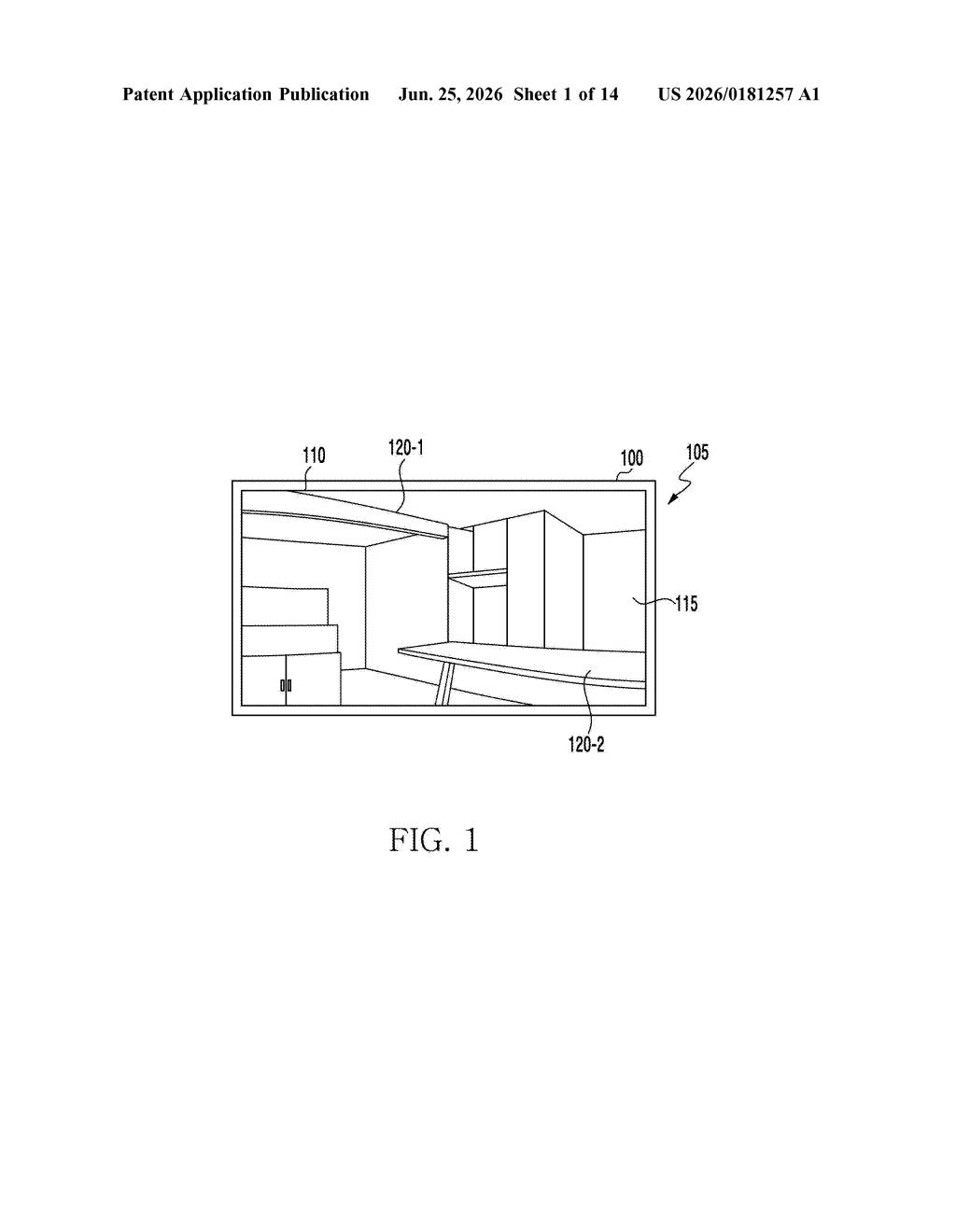
What Samsung's cylindrical panorama conversion actually does
Imagine you take a wide panorama shot of a city skyline. The buildings near the edges of the photo look stretched and warped, which is just how flat panoramas work. Samsung is patenting a fix for that.
The idea is to take your existing flat panorama and automatically bend it into a cylindrical shape, the way an old-fashioned scrolling backdrop wraps around a stage. To do this correctly, the device reads depth data from the photo to figure out how far away different parts of the scene are, then uses that information to decide how much to curve the image.
The result is a second version of your panorama that better matches how your eyes actually perceived the scene when you were standing there. Your phone then shows you a portion of that curved image at a time, letting you scroll through it as if you were turning inside a cylinder.
How depth values drive the curvature calculation
The patent describes a two-stage pipeline running on-device. First, the phone takes a planar panorama image (a standard flat, stitched-together wide photo) as its input. When a trigger event is detected, such as a user gesture or an automatic mode switch, the system kicks into conversion mode.
At that point, the device extracts a depth value from the panorama. Depth data describes how far each part of the scene is from the camera, and modern smartphone cameras can estimate this either from dual-lens setups or computational techniques. That depth map is then used to calculate a curvature parameter, essentially a number that defines how tightly to bend the image.
Using that curvature, the system remaps the flat image onto a cylindrical surface, producing a cylindrical panorama. The math behind this is a pixel-by-pixel coordinate transformation: every point in the flat image gets repositioned as if it were printed on the inside of a tube.
- Obtain flat panorama input
- Detect conversion trigger event
- Extract per-pixel depth values
- Calculate scene-appropriate curvature
- Remap pixels to cylindrical coordinates
- Display a viewport-sized slice of the result
What this means for panorama photography on Galaxy phones
For Galaxy phone owners, this could mean panorama photos that look closer to what you actually saw when you were standing there taking the shot. The edge distortion that makes buildings lean and horizons bow is a known annoyance with flat panoramas, and depth-aware cylindrical projection is a well-regarded way to reduce it.
The broader pattern here is Samsung pushing more computational photography processing onto the device itself, triggered automatically rather than requiring the user to open a separate editing tool. If this makes it into a future Galaxy camera app, you might never see the flat version of your panorama at all.
This is a focused, practical patent solving a real and widely noticed problem with panorama photography. It is not a flashy AI play, but depth-aware cylindrical remapping is genuinely more correct than flat projection for most real-world scenes. Whether Samsung ships it as a background automatic feature or an opt-in toggle will determine whether anyone actually benefits from it.
There are more where this came from
We read every patent application Big Tech publishes and send you the ones worth knowing. Plain English, free, every week.
Want this weekly breakdown for a company we don't cover? Patentlyze Pro →