
Samsung Patents a Per-Zone RGB Backlight System for Color-Blind Viewers
Most color-blindness accessibility features work by remapping colors in software. Samsung's new patent goes a layer deeper — tweaking the actual electrical current fed to individual red, green, and blue LEDs behind each zone of the screen.
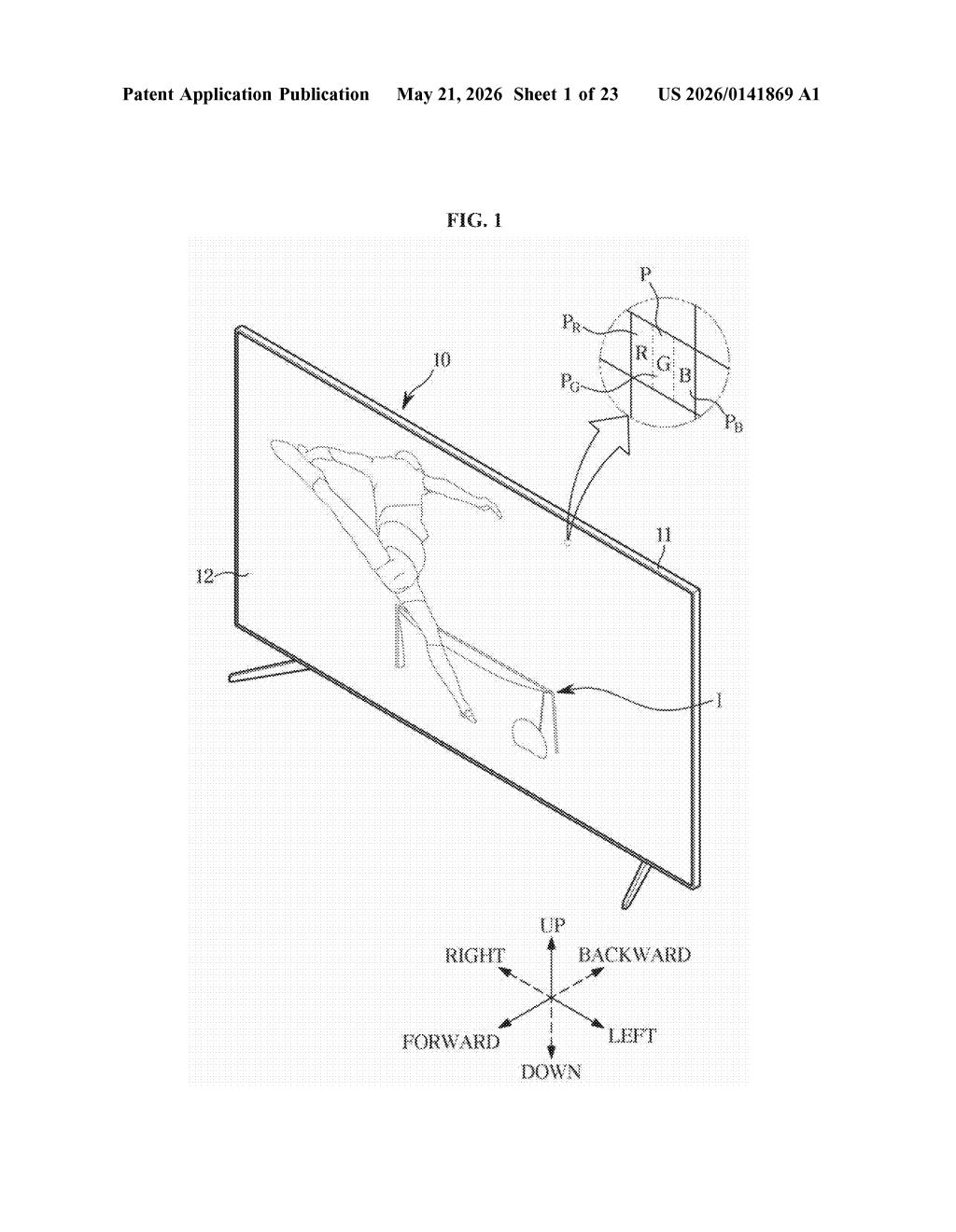
What Samsung's color vision deficiency mode actually does
Imagine you're watching a nature documentary, and a crucial color cue — say, a red berry against green leaves — is nearly invisible to someone with red-green color blindness. Most TVs handle this by shifting colors in the image itself, which can make the whole picture look off for everyone watching.
Samsung's patent takes a different approach. It divides the backlight behind the screen into a grid of zones, each with its own red, green, and blue LED. When color vision deficiency mode is turned on, the TV analyzes how different each zone's colors are from its neighbors. If two adjacent zones are hard to tell apart, it adjusts how much current flows to the red, green, or blue LED in that specific zone — boosting contrast where it counts without touching every other part of the picture.
The result is a localized, hardware-level fix rather than a blunt software filter applied to the entire image. Your neighbor watching the same screen in normal mode wouldn't necessarily notice a thing.
How the processor weights each LED's current per dimming block
The patent describes a backlight unit made up of a grid of dimming blocks — physical clusters of red, green, and blue LEDs arranged in rows and columns behind the display panel. Each dimming block maps to a corresponding region of the image.
In color vision deficiency mode, the processor runs through two main steps:
- Color difference calculation: It computes a color difference value (a numeric measure of how visually distinct two neighboring image blocks are) between adjacent dimming block regions. Think of it as scoring how hard it would be for a color-blind viewer to tell those areas apart.
- Current weight determination: Based on that score, it assigns a current weight to one or more of the red, green, or blue LEDs in that specific dimming block — essentially deciding how much to boost or reduce each channel's brightness relative to the image data.
- LED current control: It then drives each LED with a current derived from both the original image data and the computed weight, producing a hardware-adjusted output for that zone.
This is a per-block operation, meaning corrections are spatially targeted. A zone showing a color transition that's hard to perceive gets corrected; a zone with already-distinguishable colors may go untouched. The approach leans on the display's existing local dimming infrastructure — the same hardware that handles HDR contrast — rather than adding new components.
What this means for accessibility in Samsung TVs and monitors
Color blindness affects roughly 1 in 12 men and 1 in 200 women worldwide, yet display-level accessibility has mostly been an afterthought — a software palette swap buried in settings. Samsung's approach is interesting because it bakes the correction into the backlight hardware layer, which means it can theoretically work without degrading the visual experience for other viewers sharing the screen.
For Samsung's TV and monitor lines, this could become a genuine differentiator in accessibility settings, especially as regulators and consumers push harder for inclusive design. Whether it ships in a real product depends on whether the per-block processing overhead is practical at scale — but the underlying infrastructure (RGB LED backlights, local dimming zones) already exists in Samsung's premium display lineup.
This is a genuinely thoughtful accessibility patent — not a checkbox feature. Doing color-blindness correction at the backlight level, per screen zone, is a more surgical approach than anything currently shipping in consumer displays. Whether Samsung actually productizes it is another question, but the engineering direction is sound and worth watching.
Get our take in your Top Stories
Liked this breakdown? Add Patentlyze as a preferred source on Google, and our plain-English take shows up more often in your Top Stories the next time Samsung patent news breaks.
There are more where this came from
We read every patent application Big Tech publishes and send you the ones worth knowing. Plain English, free, every week.
Want this weekly breakdown for a company we don't cover? Patentlyze Pro →