
Samsung Display Patents a Layered Groove System for OLED Camera Cutouts
Every punch-hole or under-display camera creates a weak point where moisture can sneak into an OLED panel. Samsung Display's latest patent describes a precise groove-and-seal architecture designed to stop that from happening.
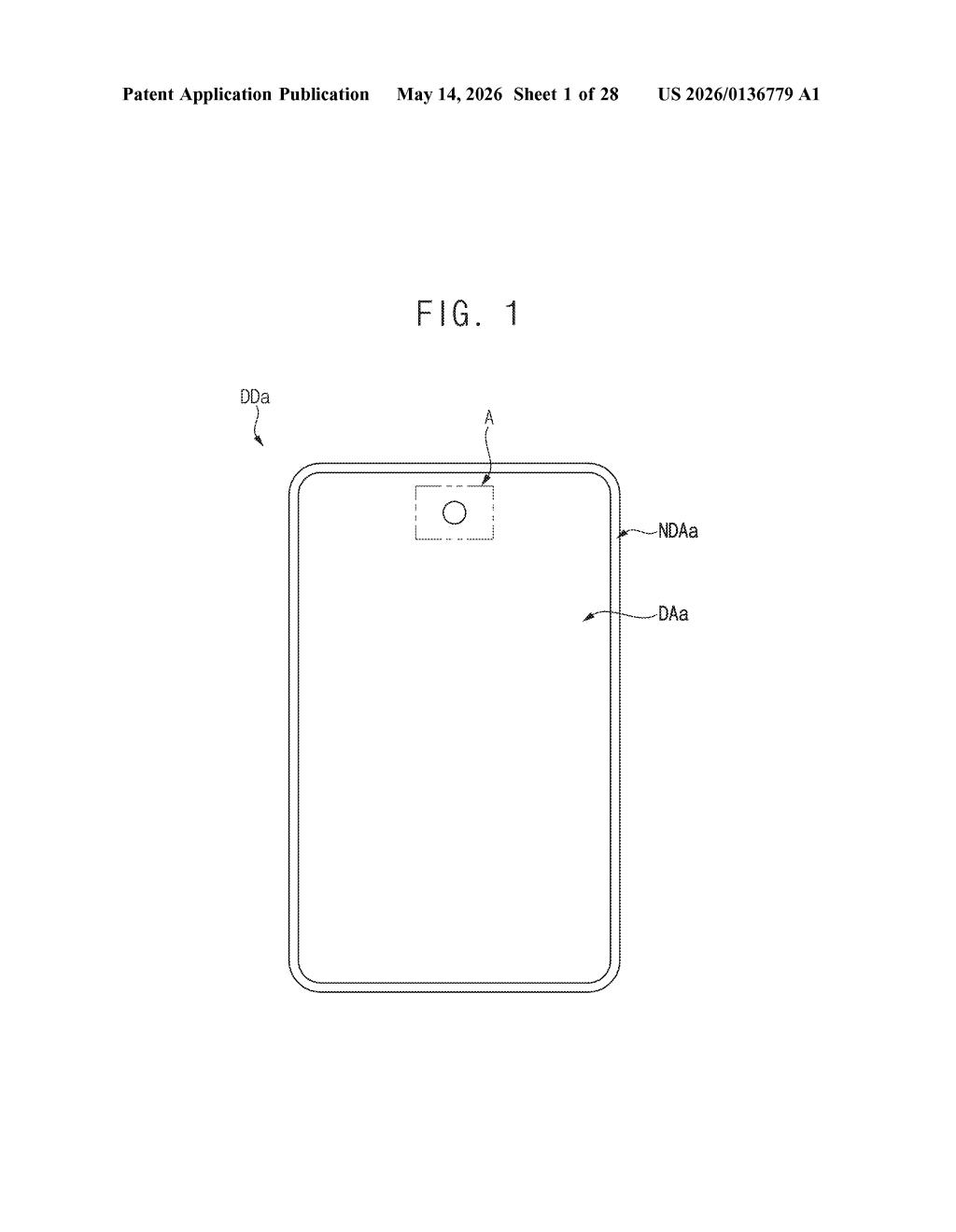
What Samsung's groove-seal OLED hole design actually does
Imagine cutting a hole in a waterproof jacket — the edges of that hole are suddenly vulnerable to water getting in. OLED displays face the exact same problem wherever a camera cutout is punched through the screen. Moisture and oxygen creeping in through those edges can kill the organic materials that make the pixels glow.
Samsung Display's patent describes a clever fix: carve a groove that circles the camera hole in the organic light-emitting layer, then cover that groove with a continuous inorganic encapsulation layer. The groove acts like a moat, and the inorganic cap seals it shut — stopping any contaminants from traveling inward along the cut edge.
The result is a display where the camera hole is structurally cleaner and better protected than a simple punch-through. For you as a user, that could mean a phone screen that holds up longer without the dark halos or dead pixels that can creep in around camera cutouts over time.
How the groove and inorganic layer seal the camera cutout
The patent describes a multi-layer sandwich that addresses the edge-sealing problem around camera apertures in OLED displays. There are two distinct hole regions: a first hole region punched through the substrate (the rigid backbone of the panel), and a larger second hole region cut through the active panel layers sitting on top of it.
The key innovation lives in how that second hole region is finished. The organic light-emitting layer — the part that actually produces light — has a groove machined into it that encircles the second hole. Think of it as a trench dug around the perimeter of the cutout, keeping the cut edge of the organic material set back from the final hole boundary.
On top of that, an inorganic encapsulation layer (a thin, dense film of material like silicon nitride or silicon oxide that is nearly impermeable to moisture) is deposited over the organic layer and specifically covers the groove. Because inorganic films are far better barriers than organic ones, capping the groove this way creates a continuous hermetic seal around the hole edge.
- Substrate defines the primary (inner) hole
- Organic layer surrounds that with a groove-bounded second hole region
- Inorganic encapsulation bridges over the groove, sealing the edge
The geometry ensures neither the organic material nor any gap is left exposed at the critical boundary where the panel was cut.
What this means for under-display cameras and OLED durability
Punch-hole and under-display camera designs are now standard on flagship phones, but edge sealing at the cutout remains one of the trickier reliability challenges for OLED makers. A poorly sealed hole edge lets moisture migrate into the organic stack over time, causing pixel degradation that shows up as dark rings around the camera — exactly the kind of cosmetic failure that generates warranty returns.
This patent suggests Samsung Display is iterating seriously on the micro-geometry of those boundaries. If the groove-plus-inorganic-cap approach proves manufacturable at scale, it could meaningfully extend the lifespan of hole-punch OLED panels — which matters both for Samsung's own Galaxy devices and for the display supply chain, since Samsung Display supplies panels to other brands as well.
This is disciplined, incremental engineering — not a headline feature, but exactly the kind of structural detail that separates good OLED panels from great ones over a three-year device lifespan. The groove-seal geometry is specific enough to be genuinely novel, and the problem it solves (moisture ingress at camera cutouts) is real and commercially important. Worth tracking if you follow display manufacturing.
There are more where this came from
We read every patent application Big Tech publishes and send you the ones worth knowing. Plain English, free, every week.
Want this weekly breakdown for a company we don't cover? Patentlyze Pro →