
Qualcomm Patents an RFID Reader That Picks Its Best Antenna Automatically
RFID readers are only as good as their antennas, and in a busy warehouse or store, a single antenna rarely covers everything well. Qualcomm's new patent describes a reader that watches its own performance and switches antennas when the numbers say it should.
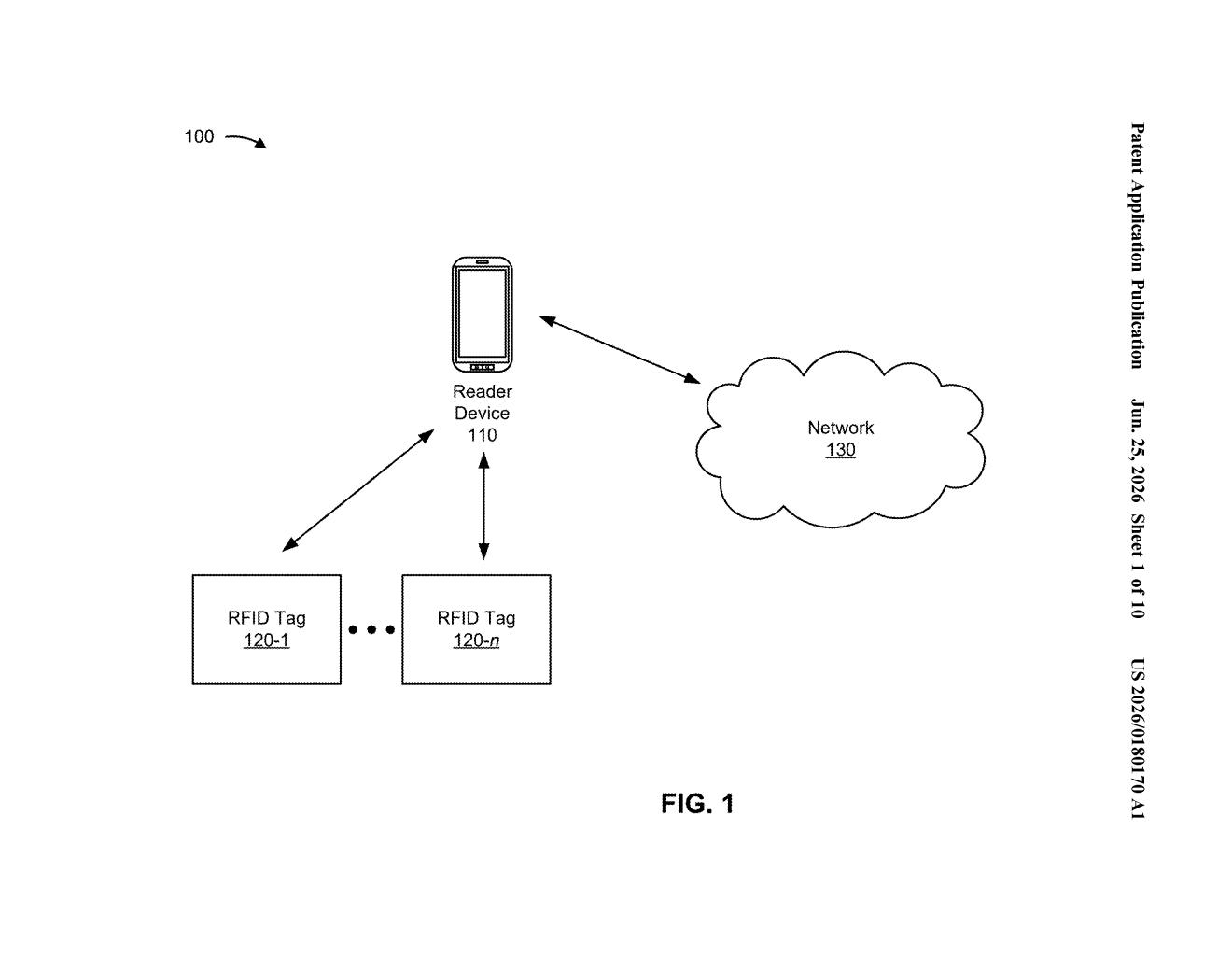
What Qualcomm's antenna-switching RFID system actually does
Imagine a barcode scanner that could tell when it was struggling to read labels on one side of a shelf and automatically shift its focus to a better angle. That's roughly the idea here, but for RFID tags, the tiny chips embedded in price tags, shipping labels, and inventory stickers.
Qualcomm's patent covers an RFID reader device that uses more than one antenna and keeps score on how each one is performing. After reading a batch of tags with one antenna, it looks at that performance data and decides whether to stay with that antenna or hand off to another one for the next round.
For you as a shopper or consumer, this is invisible infrastructure. But for a retailer counting thousands of items on shelves, or a logistics company tracking packages moving through a facility, a reader that self-adjusts like this could mean fewer missed scans and less manual troubleshooting.
How the reader scores antennas and decides when to switch
The patent describes an RFID reader with at least two antennas. During each reading period (a defined time window), the reader communicates with tags using one antenna. At the end of that period, it evaluates one or more switching metrics collected during that window before deciding which antenna to use next.
Switching metrics are performance measurements from the previous read cycle. These could include things like how many tags were successfully read, signal strength, error rates, or other indicators of how well communication went. Think of it as a scorecard the reader fills out after each round.
Based on that scorecard, the device selects which antenna to activate for the next time period. The claim language says the second antenna is chosen "based upon at least one switching metric associated with the first time period," which means the decision is driven by real observed data, not a fixed rotation.
The practical result is a reader that adapts to its environment over time rather than blindly cycling through antennas on a preset schedule. In a setting where tag density, interference, or physical obstructions change frequently, that kind of feedback loop can meaningfully improve read reliability.
What this means for warehouse and retail RFID deployments
RFID is already widespread in retail inventory management, supply chains, and access control systems. The weak point has always been coverage gaps and missed reads, which force operators to either add more hardware or accept incomplete data. A reader that uses performance feedback to pick its active antenna addresses that gap in software and logic rather than by bolting on more physical equipment.
For Qualcomm, this fits into its broader push to embed intelligence into connectivity hardware. RFID chips and readers are a growing segment as retailers and logistics companies automate more of their operations. A self-optimizing reader is a more competitive product than one that needs manual tuning.
This is a functional, incremental improvement to RFID infrastructure rather than anything that will change how the technology is perceived. The core idea, using observed performance data to drive antenna selection, is sensible and practical. It won't generate headlines at a consumer level, but it's the kind of quiet refinement that makes enterprise RFID deployments more reliable without requiring more hardware.
There are more where this came from
We read every patent application Big Tech publishes and send you the ones worth knowing. Plain English, free, every week.
Want this weekly breakdown for a company we don't cover? Patentlyze Pro →