
Samsung Display Patents a Glass-Etching Method for Flexible OLED Screens
Building a foldable screen means the rigid glass underneath has to get out of the way — and Samsung Display has patented a precise etching method to do exactly that.
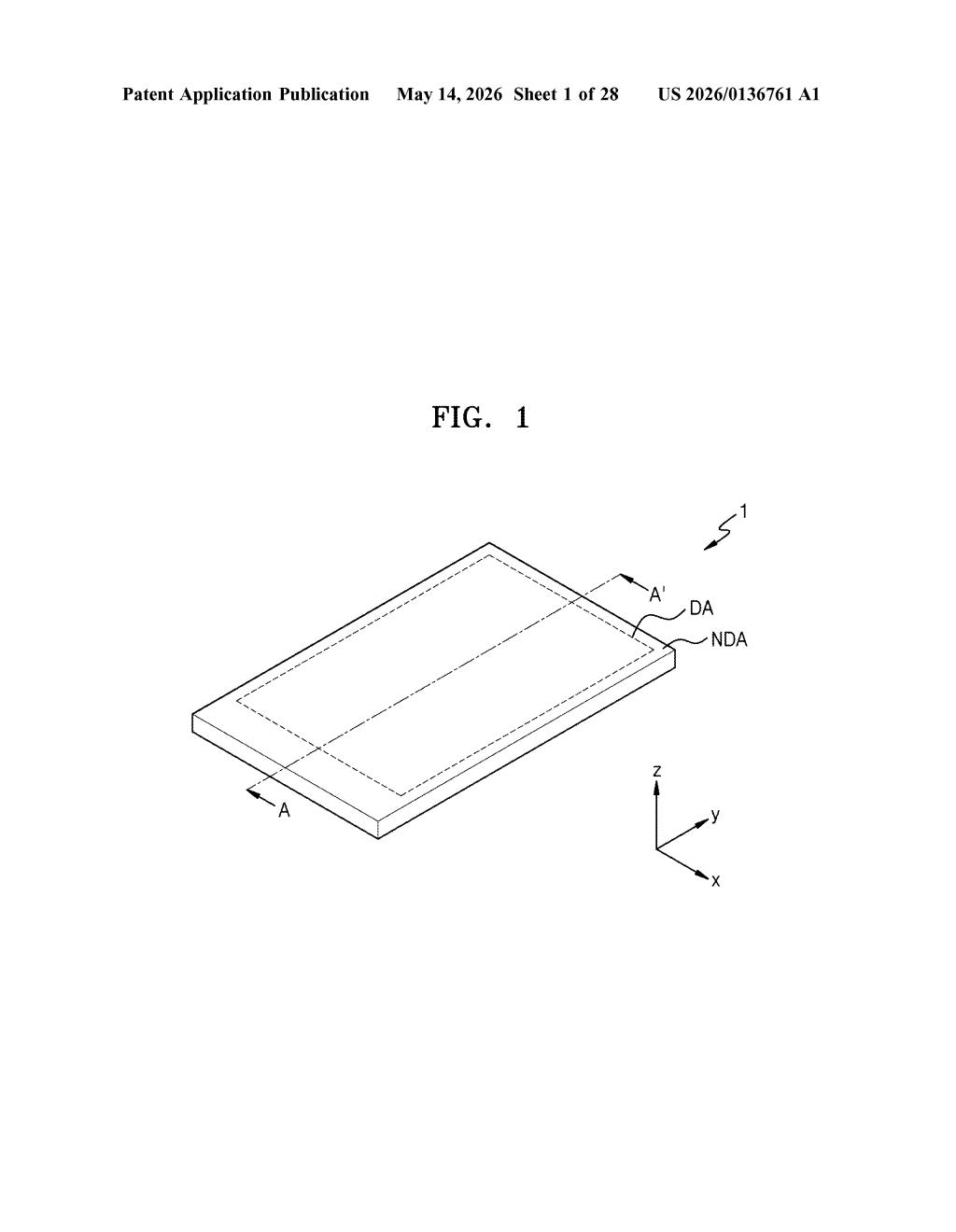
How Samsung's dual-glass etching exposes OLED flex zones
Imagine trying to fold a piece of paper that has a sheet of glass glued to it. The glass doesn't bend, so you'd need to remove it right where the fold happens. That's essentially the engineering problem Samsung Display is solving here.
This patent describes a manufacturing method where a single display substrate — your OLED panel, complete with light-emitting pixels and protective layers — is built first, and then glass is etched away in a targeted zone to expose the flexible bending area underneath. What's left are two separate glass pieces, one under the main display area and one under a secondary area, with a gap between them right where the screen needs to flex.
The clever part is that the etching doesn't leave sharp, vertical cuts. The edges of both glass pieces are shaped with a slight incline near the bending zone, which reduces mechanical stress at the point where rigid meets flexible.
How the inclined glass edges enable the OLED bend point
The patent covers both the finished display device and the method of making it. The manufacturing sequence matters: the display layer — including the OLED light-emitting devices, a bendable interconnect zone, and an encapsulation stack (inorganic and organic layers that seal out moisture and oxygen) — is deposited on a single continuous glass substrate first.
Then comes the key step: selective etching of the glass. The etching process splits the original substrate into two physically separate pieces:
- First glass substrate — sits beneath the primary pixel/light-emitting area
- Second glass substrate — sits beneath a secondary (likely touch or driver circuit) area
- Bending area — the strip of display film now suspended between the two glass pieces, exposed and free to flex
Both glass edges facing the bending zone are cut at an angle (an "inclined portion") rather than straight down. This geometry is important: angled edges distribute mechanical stress more gradually as the panel flexes, reducing the risk of cracking at the glass-to-flex boundary. The encapsulation layer spans the entire structure, including over the bending zone, maintaining the hermetic seal even after the glass beneath is removed.
What this means for ultra-thin foldable display construction
Foldable and rollable displays live or die by the durability of their flex zones — and one of the hardest failure points is right where the rigid backing ends and the flexible film begins. Samsung Display's angled-edge etching approach is a direct attempt to engineer away that weakness at the substrate level, rather than relying solely on material flexibility.
For end users, this kind of manufacturing refinement is what makes a foldable phone feel less like a prototype and more like a polished product — fewer creases, longer hinge life, and a thinner overall stack because the rigid glass only exists where it's structurally needed. This is a divisional of a 2022 application (now granted as US 12,550,526), meaning Samsung Display has already cleared the patent bar once on the core concept.
This is solid, unglamorous manufacturing IP — the kind of substrate engineering that separates mass-market foldables from fragile proof-of-concepts. It won't make headlines at a product launch, but the inclined-edge etching detail is a real engineering insight that likely shows up in Samsung's current foldable production lines. Worth tracking if you follow display fabrication.
There are more where this came from
We read every patent application Big Tech publishes and send you the ones worth knowing. Plain English, free, every week.
Want this weekly breakdown for a company we don't cover? Patentlyze Pro →