
Intel Patents a Display That Draws Less Power When Your Screen Is Dark
Your laptop uses roughly the same amount of power to show a pitch-black movie scene as it does a blazing white spreadsheet. Intel wants to fix that.
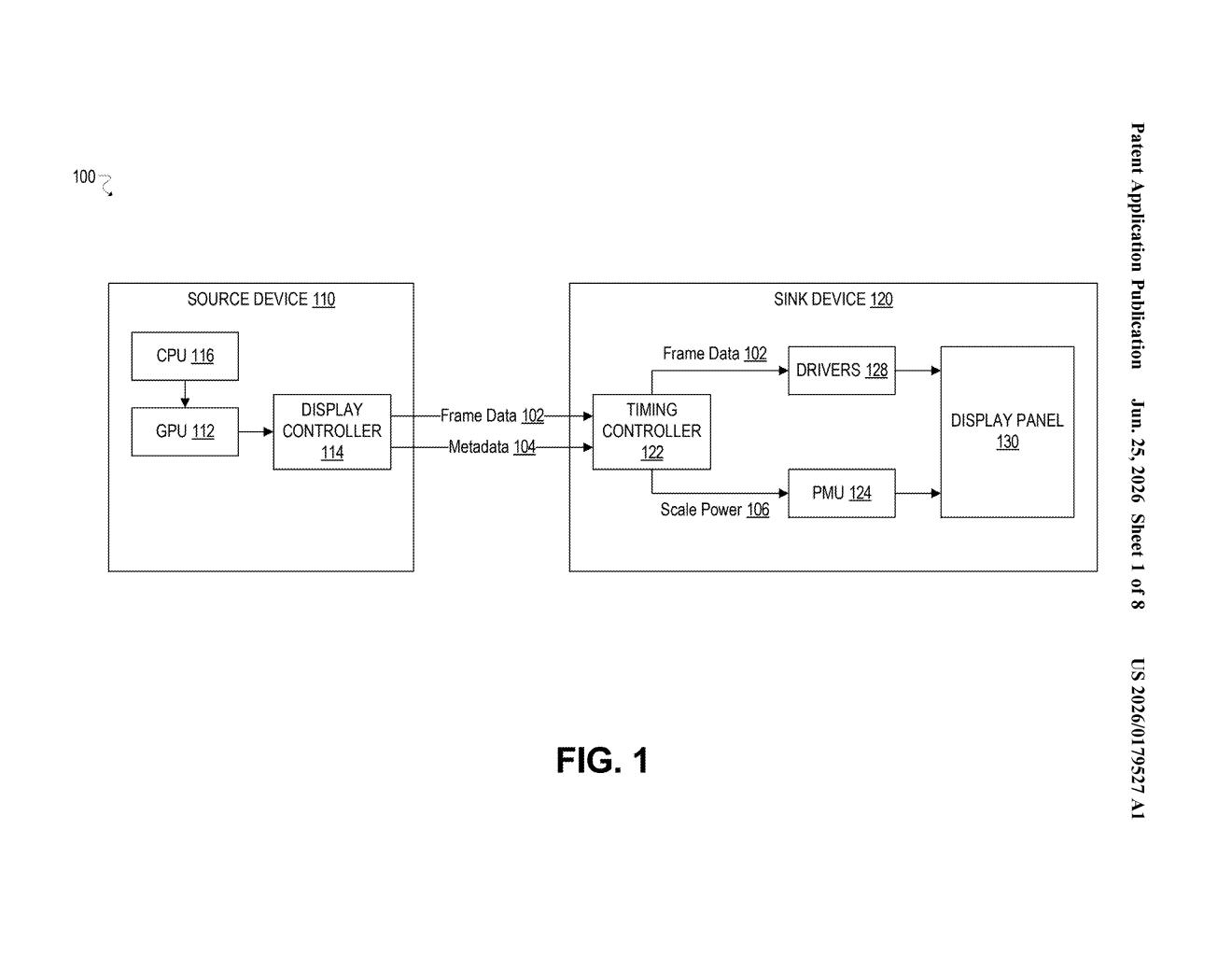
How Intel links screen brightness to battery draw
Imagine watching a dark thriller on your laptop. Most of the screen is nearly black, but your display is still pulling the same electricity it would need to show a bright, fully lit webpage. That's just how screens work today, and it drains your battery.
Intel's patent describes a system where the display constantly checks how bright the current video frames actually are, then adjusts how much power it delivers to the screen accordingly. Dark scene? Pull less power. Bright scene? Ramp back up. The adjustment happens frame by frame, automatically.
The key detail is that the system watches the brightest pixel in each frame as its reference point, so it never dims the display below what the content actually needs. You shouldn't notice any difference in picture quality, but your battery would.
How the control circuit reads frame brightness to set power
The patent describes an electronic device (think a laptop, tablet, or handheld) with a display panel managed by dedicated control circuitry. That circuitry receives a stream of video frames, the sequence of still images your screen shows in rapid succession to create motion.
For each frame (or group of frames), the system reads the pixel brightness values across the entire image and identifies the maximum, the single brightest pixel in the frame. That peak brightness number becomes the anchor for a power-level decision: if the brightest thing on screen only needs, say, 60% of the display's maximum light output, the system can reduce the electrical power delivered to the panel accordingly.
This is different from simple auto-brightness (which reacts to the ambient light around you). This system reacts to the content itself, adjusting power based on what's actually being displayed rather than what's happening in the room.
The claim focuses on a dynamic adjustment, meaning the power level can change continuously as the content changes, not just once when you open a new app.
What this means for laptop and tablet battery life
Display panels are one of the largest power consumers in any laptop or tablet. Even modest reductions in display power during dark or low-contrast content, think night-mode apps, dim video scenes, or text editors with dark themes, could translate to meaningful battery life gains over a full day of use.
For Intel, which supplies processors and platform controllers to a huge share of the PC market, this kind of firmware-level efficiency tweak is a way to improve battery benchmarks without asking manufacturers to change the physical hardware. If this approach ships in a future Intel platform, it could benefit any laptop built around those chips without the buyer ever knowing the feature exists.
This is a sensible, incremental efficiency patent, not a headline feature. The idea of matching display power to content brightness is logical and probably delivers real gains on dark-themed workflows or nighttime video watching. It's the kind of unglamorous optimization that adds 15 minutes to a battery cycle, which is genuinely useful even if nobody writes a press release about it.
There are more where this came from
We read every patent application Big Tech publishes and send you the ones worth knowing. Plain English, free, every week.
Want this weekly breakdown for a company we don't cover? Patentlyze Pro →