
Samsung Patents a Photo Color Fix That Sharpens Tones Where Human Eyes Notice Most
Most color correction systems treat every shade equally. Samsung's new patent argues that's a waste of resources, and builds a smarter map that spends more precision on the tones humans actually notice.
How Samsung's color table spends its budget wisely
Imagine a chef who seasons every dish with exactly the same amount of salt, no matter whether it's a delicate soup or a hearty stew. You'd end up with bland soup and a palatable stew, but you could have done better with both if you'd adjusted your approach. Color correction on screens and cameras has the same problem.
When a phone or TV adjusts colors, it often uses a kind of reference table, essentially a giant cheat sheet that says 'this input color should become that output color.' A standard table spreads its entries evenly across all possible shades. Samsung's patent describes a table that isn't even: it packs more entries (more precision) into the color ranges where small differences are easy to see, like mid-tone skin tones or natural greens, and uses fewer entries in ranges where your eyes are less discerning.
The result is that you get more accurate, natural-looking colors without needing a much larger or more expensive table. The same hardware budget buys you better-looking images.
Inside the non-uniform 3D LUT structure
The patent centers on a 3D lookup table (3D LUT), a data structure that maps every possible input color (defined by its red, green, and blue values) to a corrected output color. Think of it as a three-dimensional grid where each intersection point holds a color correction instruction.
A uniform 3D LUT places those grid points at perfectly even intervals across the full range from black to white. That's simple but wasteful: human vision is not uniformly sensitive across all brightness levels. We're much better at distinguishing subtle differences in mid-range tones than in very dark shadows or very bright highlights.
Samsung's patent describes a non-uniform 3D LUT, where the grid points are clustered more densely inside the ranges the device designates as first light ranges (high-priority zones) and spaced further apart in second light ranges (lower-priority zones). This can be done independently for the red, green, and blue channels, so the table can be tuned to where each color component needs the most accuracy.
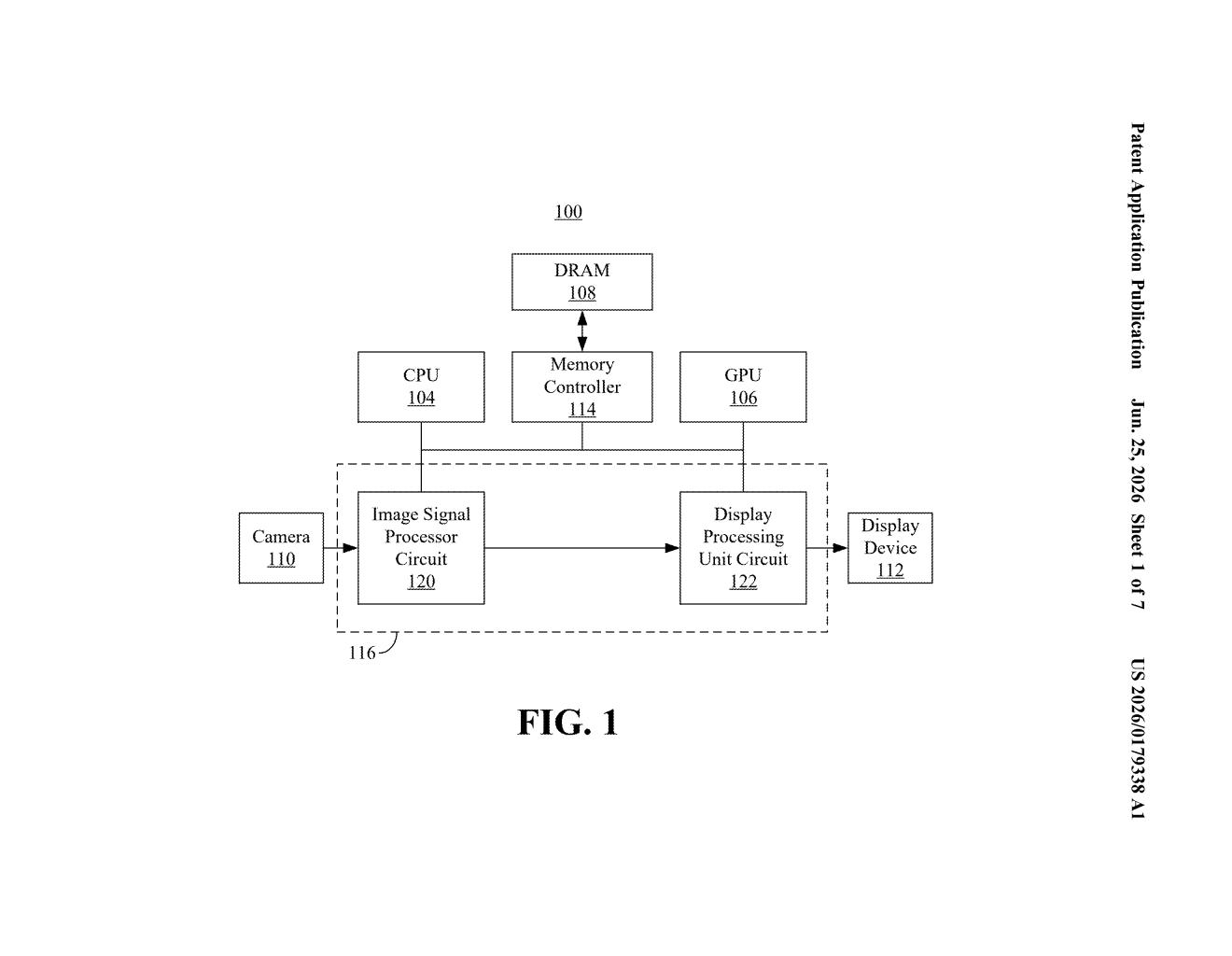
A color correcting circuit then reads this table at runtime to transform each video frame from its raw captured state into a corrected output frame. The non-uniform layout means the circuit can achieve finer color accuracy in the zones that matter most without increasing the total size of the table.
What this means for Samsung display and camera quality
For consumers, this is about image quality on Samsung devices, whether that's a Galaxy phone camera pipeline, a QLED TV, or a monitor. By concentrating correction precision in visually sensitive tonal ranges, Samsung can produce more accurate skin tones and natural colors using hardware that doesn't cost more or consume more power than existing solutions.
For the industry, the patent stakes out intellectual property around the specific approach of making the LUT non-uniform across the RGB axes independently. Color science is a crowded field, but the particular architecture described here, a per-channel, variable-density 3D table tied to a dedicated correcting circuit, could give Samsung a defensible position in how color pipelines are built into its chips and display controllers.
This is a solid, focused piece of color engineering. It's not flashy, but the core idea, spending your correction budget where human vision is actually sensitive, is the right instinct. Samsung files a lot of display and image-processing patents, and this one fits a pattern of incremental but real improvements that show up in product reviews as 'better color accuracy.'
There are more where this came from
We read every patent application Big Tech publishes and send you the ones worth knowing. Plain English, free, every week.
Want this weekly breakdown for a company we don't cover? Patentlyze Pro →