
Sony Patents a System That Moves Objects by Tracking Where You Look
Sony is exploring a way to let your eyes do the controlling — a system that figures out what you're looking at and then moves something in response, without you pressing a button.
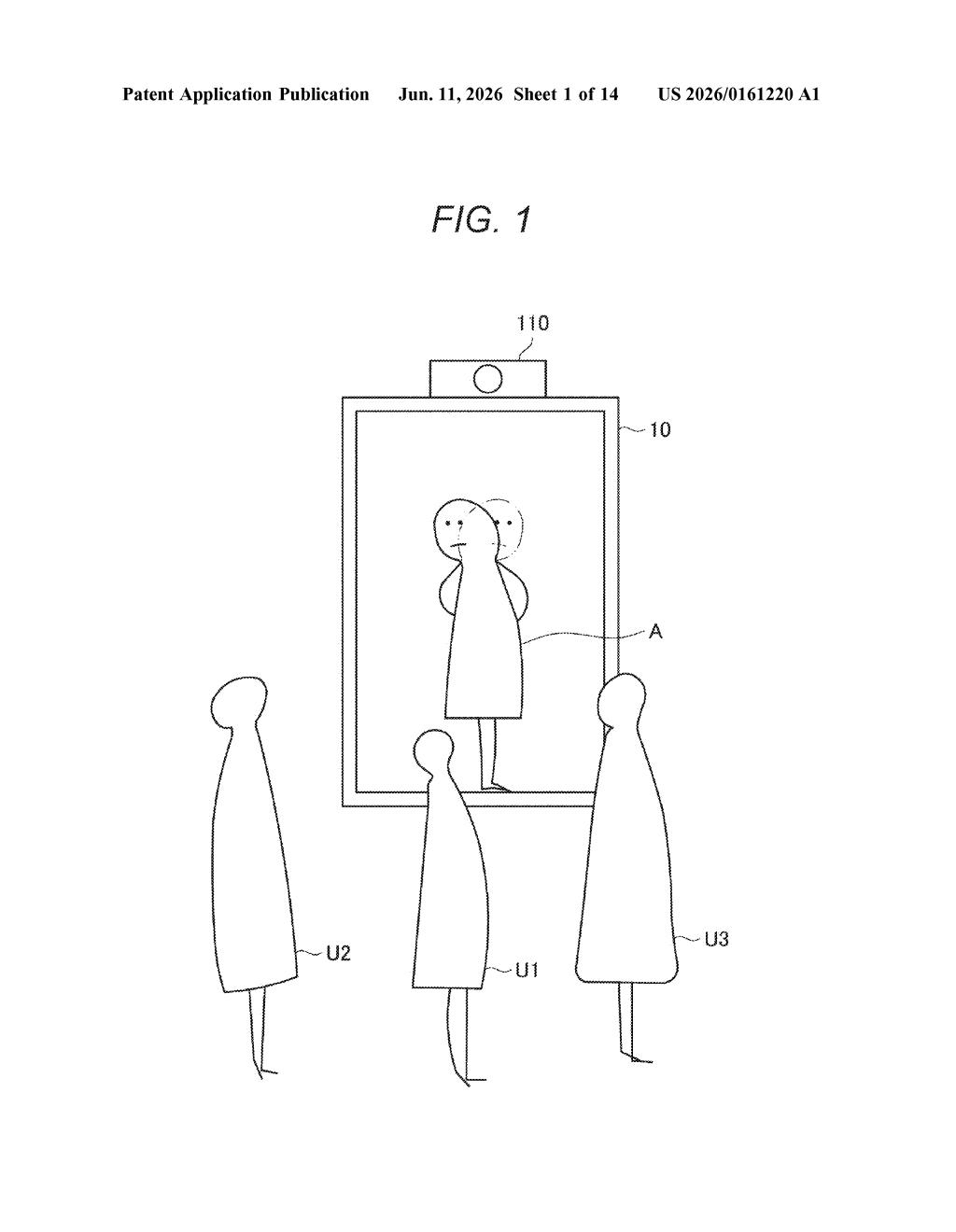
What Sony's eye-tracking motion control actually does
Imagine you're playing a game or using a device, and instead of pointing a controller at something, you just look at it — and the device responds. That's the core idea behind this Sony patent.
The system tracks the direction of your gaze, figures out which object in your field of view you're focused on, and then moves a designated target based on that. Think of it like giving your eyes a remote control.
The patent is written broadly — Sony doesn't specify a particular product here, so this could apply to anything from a smart TV interface to a robot to a VR headset. The goal, as Sony puts it, is "smoother user communication," meaning less friction between what you intend and what the device does.
How the system maps your gaze to a target's movement
The patent describes a three-part system built around real-time eye tracking:
- Acquisition unit: Captures line-of-sight data — essentially a continuous stream of information about where your eyes are pointed.
- Estimation unit: Interprets that gaze direction and identifies which specific object in the scene the user is looking at.
- Control unit: Takes that estimated object and uses it to drive the motion of a "target" — some other object or element in the system.
The indirect relationship is the interesting part. You're not directly controlling the target — the system infers your intent from what you're looking at, then acts accordingly. This is a form of gaze-based interaction (using eye position as an input instead of a button or voice command).
The patent is intentionally abstract. "Target" and "object" are left undefined, which is common in broad filings meant to cover a wide design space. The underlying idea — that where you look tells the system what you want to interact with — is the protected concept here.
What this means for Sony's future interfaces and devices
Eye tracking has been slowly creeping into consumer technology for years, but it's mostly been used as a passive feature — think scroll-to-read or cursor assistance. This patent is about making gaze an active control input that triggers physical or on-screen movement, which is a meaningful step up.
Sony makes a wide range of products where this could show up: PlayStation VR headsets, robotics research, professional cameras with subject tracking, or accessibility tools. If you've ever struggled to navigate a smart TV menu with a clunky remote, the promise of just looking at what you want is obvious. The patent is broad enough that Sony could apply this across several product lines.
This is a legitimate and useful building block, but it's also a wide, abstract claim — Sony isn't telling us much about where this actually lands. Eye-tracking interaction isn't new, but the specific framing of using gaze to control a separate target's motion is worth watching, especially if Sony is layering this into its VR or robotics work.
There are more where this came from
We read every patent application Big Tech publishes and send you the ones worth knowing. Plain English, free, every week.
Want this weekly breakdown for a company we don't cover? Patentlyze Pro →