
AMD Patents a Compression Method That Makes Unpacking Data Faster by Design
AMD is patenting a way to make compressed data easier to unpack — not by improving the decompressor, but by quietly constraining what the compressor is allowed to do in the first place.
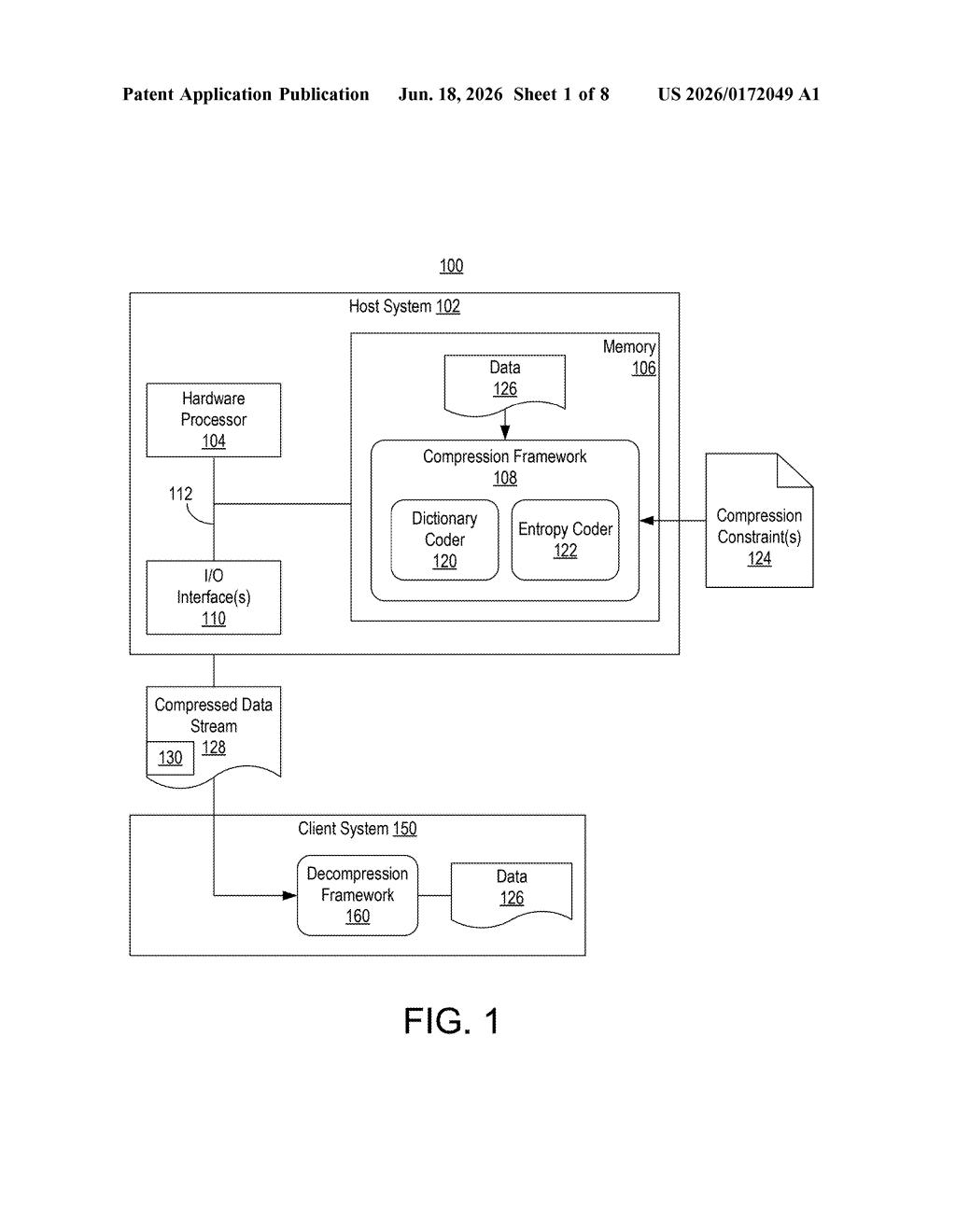
What AMD's constrained compression actually does
Imagine you're packing a suitcase. You could throw everything in randomly and save space, but then unpacking is slow and chaotic. Or you could pack things in a specific, agreed-upon order — slightly less efficient on the packing end, but you can unpack in seconds. That's roughly the idea behind this AMD patent.
When a computer compresses data, it normally squeezes as hard as possible using any trick available. The problem is that unpacking that data later can be slow and unpredictable — the decompressor has to figure out exactly what tricks were used. AMD's approach is to set rules during compression that limit which tricks are allowed, then attach a small label (a "metadata frame") to the compressed file describing exactly what was done.
The result is that the hardware unpacking the data already knows what it's dealing with before it even starts. That makes decompression faster and more consistent — especially useful when a GPU needs to rapidly pull in large amounts of data without waiting.
How the metadata frame tells hardware what to expect
The patent describes a system where the compression process operates under predefined constraints — rules that deliberately limit how aggressively or creatively the compressor can encode data. Think of it like a chef who's told to only use five specific techniques: the meal might not be perfectly optimized, but anyone trained on those five techniques can read the recipe instantly.
Alongside the compressed data, the system generates a metadata frame — a small header block that documents exactly which constraints were applied. When the decompressor receives the data, it reads this frame first and knows precisely how to interpret everything that follows, without having to work through a range of possibilities.
The patent also mentions a "tuner" component that lets a system select which compression profile to use and what decompression speed level to target. This makes the trade-off between compression ratio and decompression speed configurable rather than fixed.
Key components described include:
- A hardware-side compressor that enforces chosen constraints
- A metadata frame embedded in the compressed output
- A tuner that selects compression configuration based on decompression-speed goals
- Support for multiple compression techniques with different constraint profiles
What this means for AMD GPUs and AI workloads
For AMD, which makes both CPUs and GPUs, fast decompression is a real bottleneck. AI training, graphics rendering, and game streaming all require enormous amounts of data to be pulled into memory at high speed. If the decompressor has to work harder than necessary, it introduces delays that slow down everything downstream.
By baking the decompression roadmap directly into the compressed data, AMD could give its hardware a head start every time it opens a file. This kind of low-level efficiency gain is exactly the type of thing that separates chips at the margins — and in high-throughput workloads like AI inference or real-time graphics, margins add up fast.
This is infrastructure-level work — not glamorous, but meaningful. Compression and decompression speeds are real pain points in GPU pipelines, and a hardware-enforced approach to predictable decompression is a legitimate engineering contribution. It's the kind of patent that quietly ends up baked into a driver update or memory subsystem rather than announced at a keynote.
There are more where this came from
We read every patent application Big Tech publishes and send you the ones worth knowing. Plain English, free, every week.
Want this weekly breakdown for a company we don't cover? Patentlyze Pro →