
Samsung Patents a Flash Memory Check That Catches Electrical Leaks Before Data Gets Written
Before Samsung's memory chip even begins writing your data, this patent describes a system that quietly checks whether the wiring is leaking electricity — and halts if something's wrong.
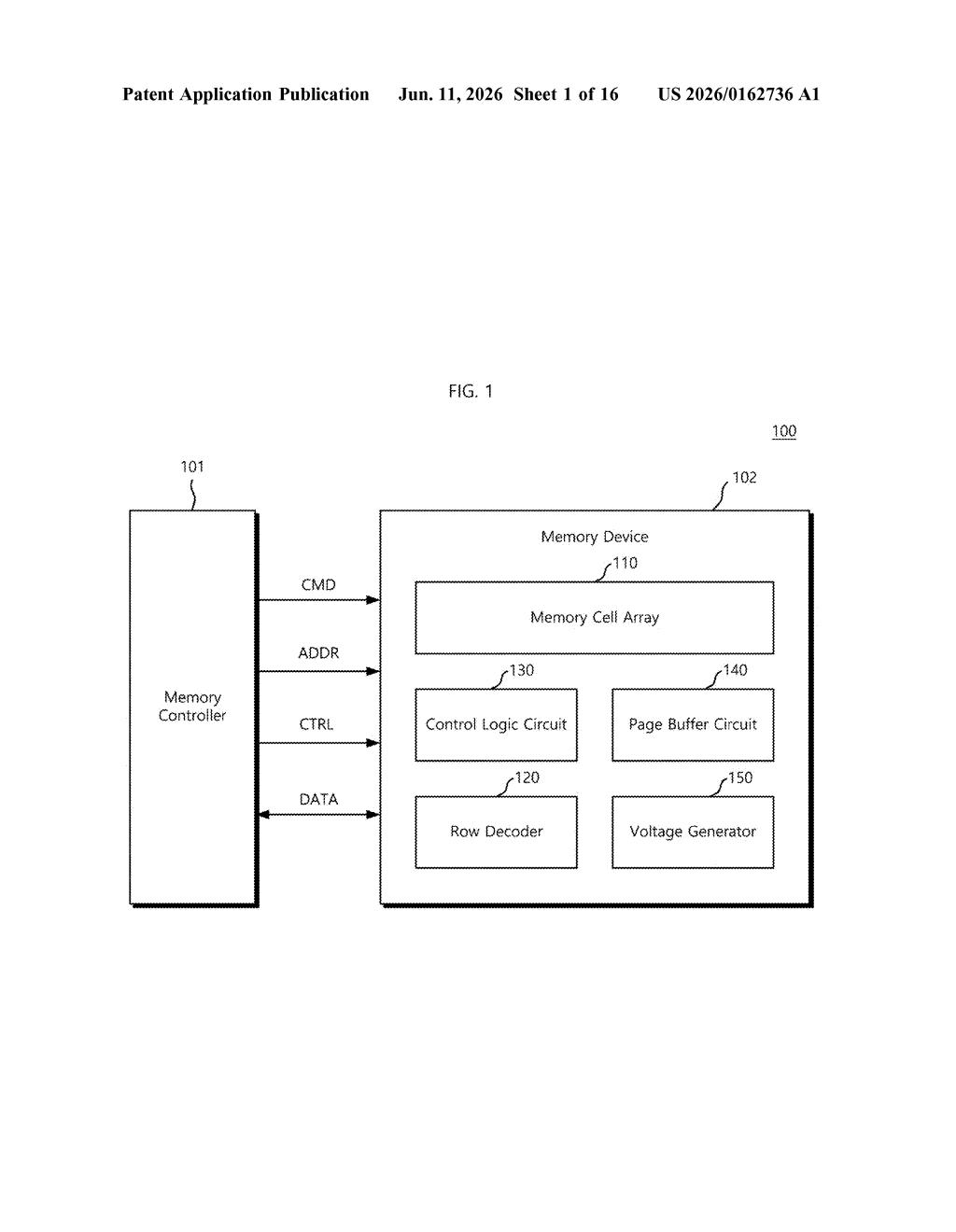
What Samsung's pre-write leakage check actually does
Imagine trying to fill a bucket with water, but the bucket has a crack. If you don't check first, you waste the water and end up with less than you expected — or nothing at all. Flash memory chips face a similar problem: tiny electrical leaks in the paths used to write data can corrupt that data silently.
Samsung's patent describes a method where the chip checks for those leaks before it commits to writing anything. While your data is sitting in a temporary holding area inside the chip, the system tests the relevant electrical pathway. If a leak is detected, the chip raises a flag and stops. If everything looks fine, writing proceeds normally.
This kind of built-in self-check could mean fewer silent data errors in NAND flash storage — the type of memory inside SSDs, smartphones, and USB drives. Catching a faulty circuit before a write attempt, rather than after data is already corrupted, is a meaningful step toward more reliable storage.
How the wordline fault check runs during data staging
Flash memory chips store data by pushing electrical charges through a grid of pathways called wordlines (rows) and bitlines (columns). Before a write operation begins, data is temporarily held in small buffer circuits called page buffers, each of which contains a latch — essentially a tiny, fast memory cell that holds a bit while the slower flash array gets ready.
This patent describes adding a leakage-detection step inside that preparation window. While the data is still parked in the latches, the chip tests the selected wordline — the row it's about to write — to see whether electrical current is leaking where it shouldn't be.
- If no leak is found: the chip proceeds with the program (write) operation as normal.
- If a leak is detected: the chip outputs leakage information — essentially a fault report — instead of attempting the write.
The clever part is the timing: the check happens concurrently with data staging, not as a separate pre-flight step that would add latency. Because the data is already being loaded, the detection runs in the background without meaningfully slowing things down. The patent covers the method of operation itself, meaning the sequence of steps the memory controller follows, not just a specific circuit design.
What this means for flash storage reliability
Silent data corruption is one of the harder problems in storage engineering — by the time you notice something went wrong, the bad write has already happened. A chip that can detect a faulty wordline before committing a write gives the system a chance to reroute, retry, or flag the block for retirement before any data is lost.
For Samsung, which is one of the world's largest NAND flash manufacturers, even incremental reliability improvements at the chip level translate into meaningful yield and quality advantages across billions of devices. This particular technique is fairly narrow in scope — it targets one specific failure mode — so it's more of a building block than a headline feature. But in high-density flash where cell defects become more common as process nodes shrink, catching leakage early is exactly the kind of low-level fix that keeps storage trustworthy.
This is unglamorous but genuinely useful work. Wordline leakage is a real failure mode in modern NAND flash, and catching it before a write rather than after is the right engineering instinct. It won't make headlines outside semiconductor circles, but the underlying problem it solves — silent data corruption — is one that affects every device with flash storage.
There are more where this came from
We read every patent application Big Tech publishes and send you the ones worth knowing. Plain English, free, every week.
Want this weekly breakdown for a company we don't cover? Patentlyze Pro →