
Google Patents an AI System That Tells Advertisers How to Split Their Budget Across Platforms
If you've ever stared at a spreadsheet trying to figure out whether to spend more on YouTube or TikTok, Google thinks it can make that call for you, and this patent shows how.
What Google's cross-platform budget tool actually does
Imagine you're running ads in several places at once: Google Search, YouTube, maybe Meta or TikTok. Every platform tells you its own numbers look great, but none of them tells you the full picture across all your spending. That's a real headache advertisers deal with constantly.
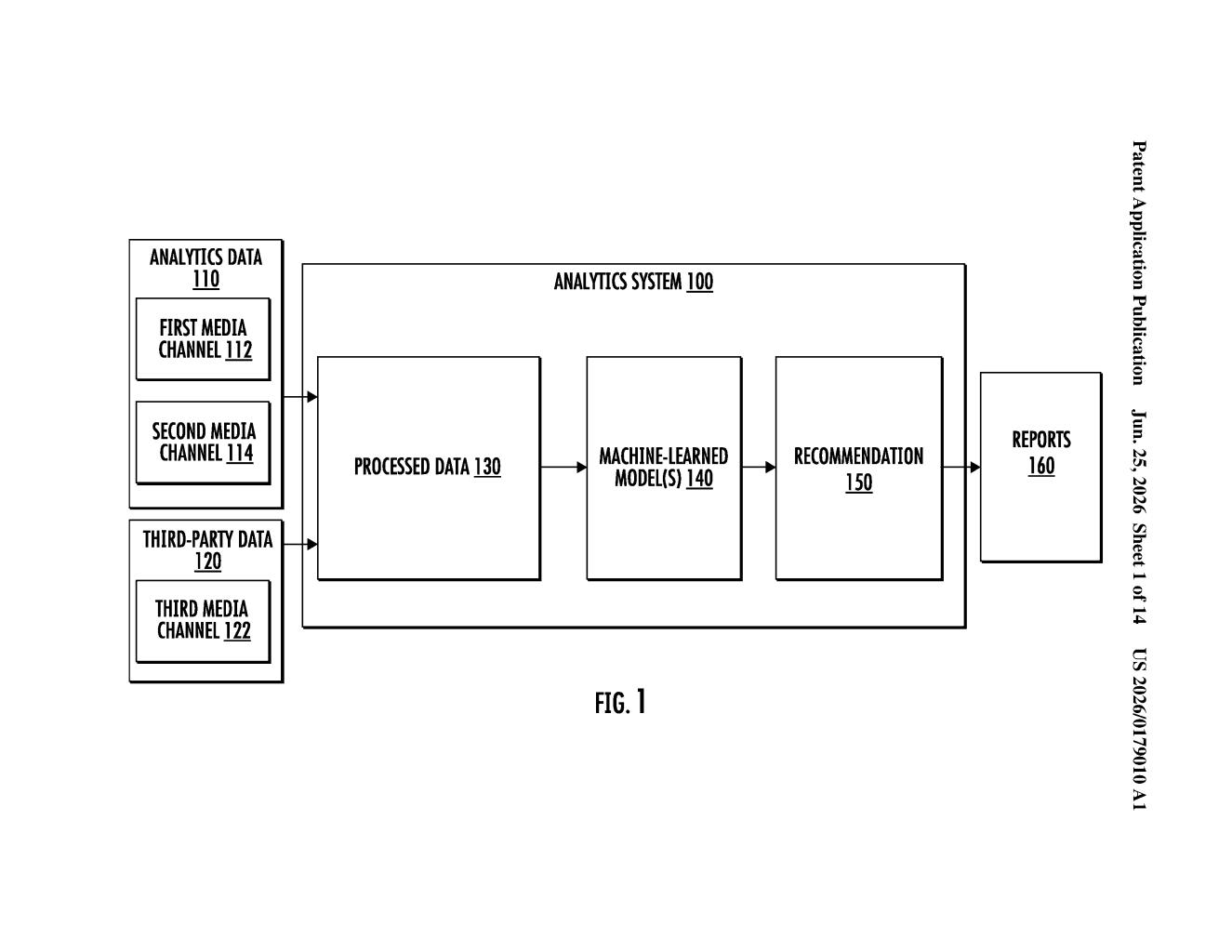
Google's patent describes a system that gathers performance data from your campaigns on Google's own platforms and pulls in data from other platforms too. A machine-learning model then chews through all of it and spits out a recommendation: here's where you should be spending more, and here's where you're probably wasting money.
The recommendation shows up directly in a dashboard on your device, so instead of toggling between five different reporting tools, you'd get one unified suggestion. Google's system sits on one platform but deliberately reaches across to competitors' data to give the advice.
How the ML model weighs data from rival ad platforms
The patent describes a cross-platform resource allocation system built around a machine-learning model that ingests campaign data from at least two separate advertising platforms simultaneously.
Here's how the pieces fit together:
- First-party channel data: Performance metrics from a media channel running on Google's own platform (think a Google Search or YouTube campaign).
- Third-party channel data: Data pulled from a second, different platform (a competitor's ad network, social platform, or any other media channel the advertiser uses), explicitly flagged in the patent as "third-party data."
- ML model processing: A machine-learning model takes both data sets and calculates how resources (budget, impressions, bids) are currently distributed, then determines an optimal allocation.
- Recommendation output: The system generates a concrete, forward-looking recommendation and displays it in a user interface.
The key design choice here is that the computing device belongs to the first platform (Google) but is explicitly architected to ingest and act on data from a second, different platform. That cross-platform data ingestion is the core of what the patent is trying to protect.
What this means for advertisers running campaigns everywhere
For advertisers, this is a pitch for Google to become the single source of truth for all media spending decisions, even the money that isn't going to Google. If the tool works as described, marketers wouldn't need third-party measurement vendors or manual spreadsheet comparisons to decide how to shift budgets.
The catch is obvious: Google controls the model and the interface. Advertisers would be handing a competitor's platform data to Google and trusting Google's algorithm to recommend where to spend, including on non-Google channels. Whether that dynamic benefits advertisers or steers budgets back toward Google is a question the patent doesn't answer, but it's the question any serious advertiser should be asking.
This is a strategic filing. Google wrapping its ad-buying tools around competitors' data is a serious moat-building move, positioning Google Ads (or a future version of it) as the operating system for all media planning, not just Google's own inventory. The patent itself is fairly narrow technically, but the business logic behind it is aggressive.
There are more where this came from
We read every patent application Big Tech publishes and send you the ones worth knowing. Plain English, free, every week.
Want this weekly breakdown for a company we don't cover? Patentlyze Pro →