
Google Files Patent for Makeup Filters Trained on AI-Made Faces
Google's new patent application teaches a makeup filter using faces that don't exist, so the lipstick goes on and your jawline stays yours.
What Google's makeup filter patent actually does
A video-call filter adds lipstick, and somehow the jawline on screen looks a little sharper than yours. Makeup filters sometimes nudge the face underneath, and this Google patent application tries to stop that.
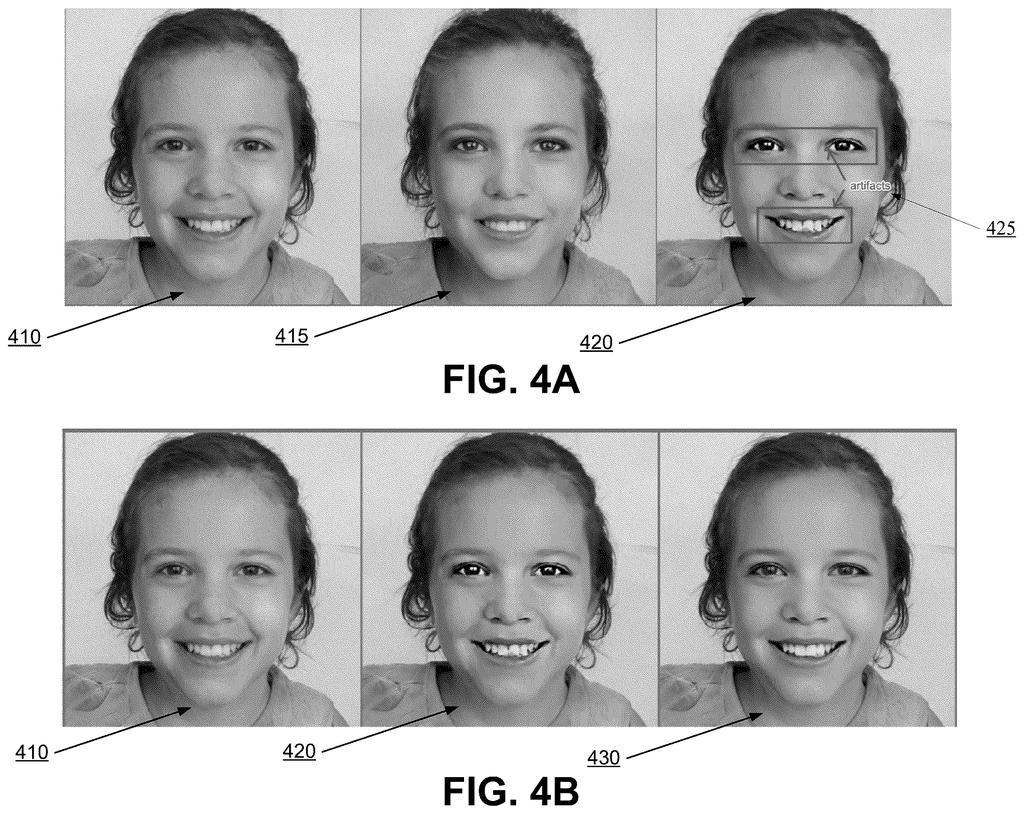
The fix is in how the filter learns. Instead of studying thousands of real people's photos, Google's system has one AI invent a face with no makeup and a second AI draw the same face wearing makeup. Then the two are combined: the makeup-affected features, such as the eyes and mouth, get copied onto the bare face, so the face shape stays put and only the color changes.
Those matched pairs become the lesson plan for a final AI model. When you tap a lipstick or eyeshadow button during a live video, that model adds the makeup to your face and leaves the rest of you alone.
obtaining, by a processing device and using a first artificial intelligence (AI) model, a first image depicting a face of a first person without a makeup effect; obtaining, using a second AI model, a second image depicting the face of the first person with the makeup effect; …
Translation: An AI creates a makeup-free picture and a makeup picture of the same person.
How Google builds before-and-after faces from scratch
Claim 1 covers a way of making training data for a makeup filter. A first AI model, described as a generative adversarial network (a type of AI that turns random numbers into realistic images), produces a face with no makeup. A second model produces the same face wearing makeup. In one dependent claim, that second model is simply the first one retrained on photos of people in makeup.
The makeup version can drift from the original, with a different jawbone or face size. So the system builds a third image from the first face plus features taken from the makeup version. The copying uses a segmentation mask (an outline that picks out regions like the eyes, nose and mouth), which keeps the original face structure.
The blend can leave glitches, so the filing describes a cleanup step called masked key tuning inversion. In plain terms, it retunes the image-making model until it can recreate the picture sharper and without the flaws. In the filing's example, the mask excludes the iris and the white of the eye, which keeps the original eyes.
The no-makeup images and the cleaned-up makeup images are then paired and used to train a third model. At use time, that model takes a video feed plus the chosen effect (the filing mentions makeup type, color and intensity) and returns the same video with makeup applied.
Why Google's filters need to leave your jaw alone
If you have ever used a beauty filter on a video call and thought the face looked a bit off, this is the problem Google describes. Filters that repaint your face can shift your jaw, lips or eyes. This filing aims to keep your features as they were and add only the makeup.
There is a practical angle for Google too. The filing says real training photos of faces are often hard or expensive to collect, and that made-up faces cut the amount of data to gather, store and process. It also says the finished model should respond faster and use less power, since it skips the repeated alignment steps older filters need. The filing describes this for a content-sharing app with an effects toolbar (lipstick, eyeshadow, blush), and says it could also work in video conferencing and editing tools.
Google files its 65th patent application we've tracked in the AI photo editing race since May, adding to earlier applications on editing a sketch before AI draws and copying text styles in images.
Claim 1 covers a specific recipe for building training data: take an AI-generated face without makeup, generate a second AI version of that same face with makeup, blend the original face with features borrowed from the makeup version, then use those pairs to teach a third model how to apply makeup to real people. The claim says nothing about the finished filter a user would actually see.
That scope is wide. Any company building a makeup filter this way, by using AI-generated face pairs as practice material rather than photographs of real people, would fall inside it.
Because the claim reaches competitors at the engineering stage, before a filter ever ships, it carries real leverage. A company could infringe without releasing a single product to the public, which is where patents rarely land so effectively.
Get our take in your Top Stories
Liked this breakdown? Add Patentlyze as a preferred source on Google, and our plain-English take shows up more often in your Top Stories the next time Google patent news breaks.
There are more where this came from
We read every patent application Big Tech publishes and send you the ones worth knowing. Plain English, free, every week.
The drawings
8 drawing sheets from US 2026/0311396 A1 · click any drawing to enlarge


Want this weekly breakdown for a company we don't cover? Patentlyze Pro →
Be the first to weigh in