
Google Patents a System That Answers Mid-Movie Questions Using Your Watch History
You're watching a movie, you recognize the lead actor, and you ask your voice assistant — 'wait, what else have I seen this person in?' Google is patenting a system that already knows the answer by cross-referencing what's on screen with your personal media consumption history.
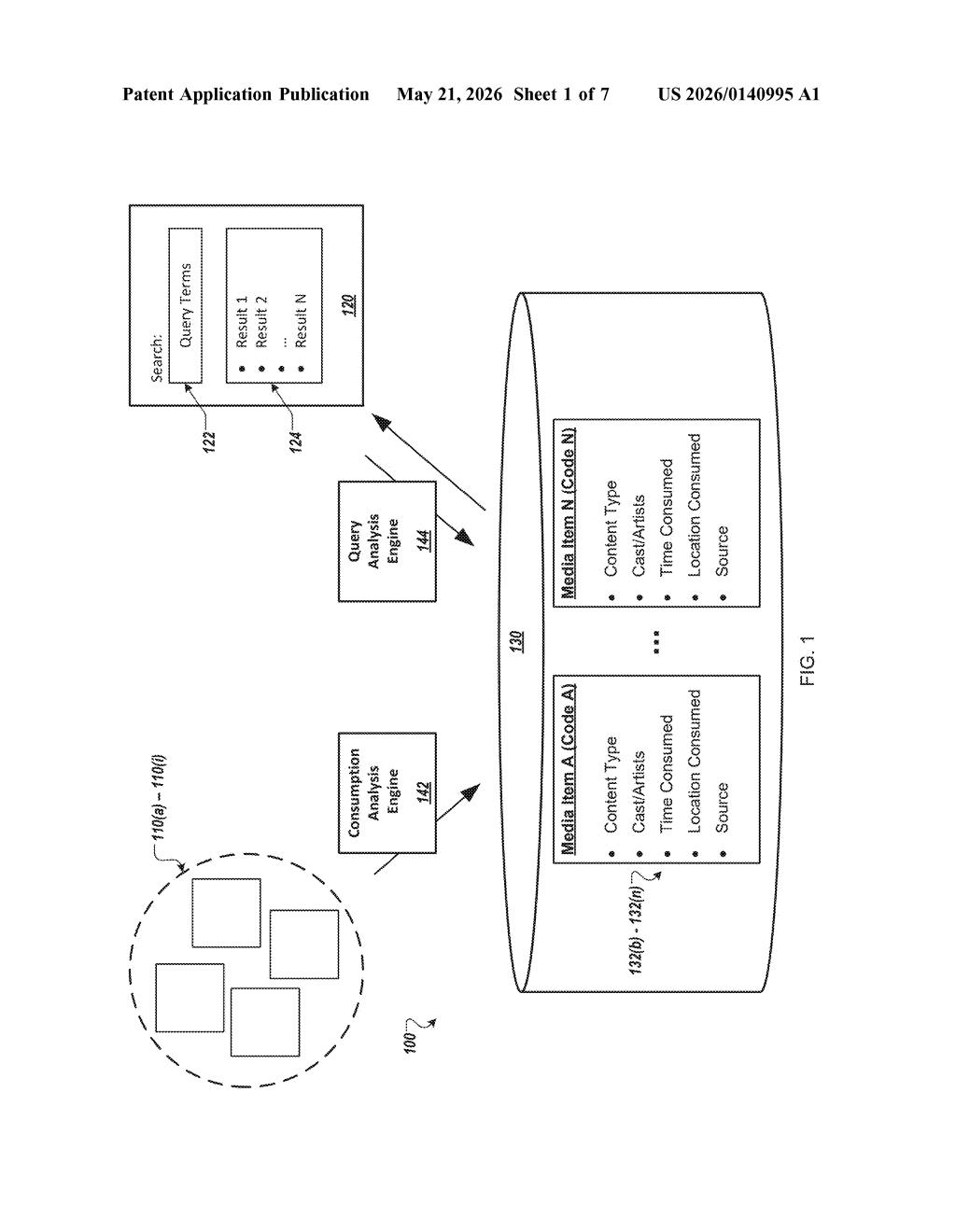
How Google's watch-history query system actually works
Imagine you're halfway through a film and a familiar face pops up — you know you've seen this actor before, but you can't place it. Right now, you'd have to pause, open a browser, and dig around manually. Google's patent describes a way to skip all of that.
The idea is simple: while you're watching something, your device knows what's playing. If you ask a natural language question like "what else have I watched with this director?" or "have I seen any other movies with the actress in this scene?" the system figures out who or what you're referring to — based on the movie you're currently viewing — then searches your personal watch history for matches.
The result is a response tailored specifically to your viewing past, not a generic web search. It's like asking a friend who has a perfect memory of every movie you've ever watched together.
How the entity-matching pipeline links movies to your past viewing
The patent lays out a multi-step pipeline. First, the system receives environmental data — specifically, the name of the movie currently playing on your device. That context anchors everything that follows.
When you ask a natural language question, the system parses it to extract an entity type — a category like "actor," "director," or "character." It then identifies the specific entity of that type appearing in the current movie. So if you ask about "the lead actor" while watching a specific film, it resolves that to a real person's name using what's known about the movie's cast and crew.
With that named entity in hand, it queries a media consumption database — a stored log of media items you've previously watched, listened to, or otherwise consumed. It filters that log for titles associated with the identified entity and returns a curated list.
- Environmental input: what's currently playing on your device
- Entity resolution: map a query term ("the villain") to a specific name (an actor)
- Consumption lookup: search your personal history for titles linked to that name
- Response generation: return the matching previously consumed media items
What this means for Google TV and the Assistant ecosystem
For Google, this is squarely in the territory of making Google TV and Google Assistant more useful as a unified, personalized entertainment layer. Right now, assistant queries about your watch history are pretty clunky — they don't understand on-screen context. This patent would let the assistant use what it sees you watching as implicit query context, making "what else have I seen with her?" a coherent, answerable question.
The deeper implication is about personal media graphs — Google building a richer model of your entertainment consumption that can be queried conversationally. That's a meaningful competitive differentiator versus streaming platforms whose recommendations are siloed to their own catalogs.
This is a genuinely useful idea that closes a real gap in how voice assistants handle media queries — today they're mostly useless at this kind of contextual, history-aware lookup. Whether Google ships it in Assistant, Gemini on TV, or something else entirely, the underlying behavior is clearly something users actually want, which makes this worth tracking.
There are more where this came from
We read every patent application Big Tech publishes and send you the ones worth knowing. Plain English, free, every week.
Want this weekly breakdown for a company we don't cover? Patentlyze Pro →