
Google Patents an AI System That Reads Image Text and Decides What to Do With It
Point your camera at a sign, a menu, or a screenshot — Google's latest patent describes an AI that doesn't just read the text inside, it figures out what you probably want done with it.
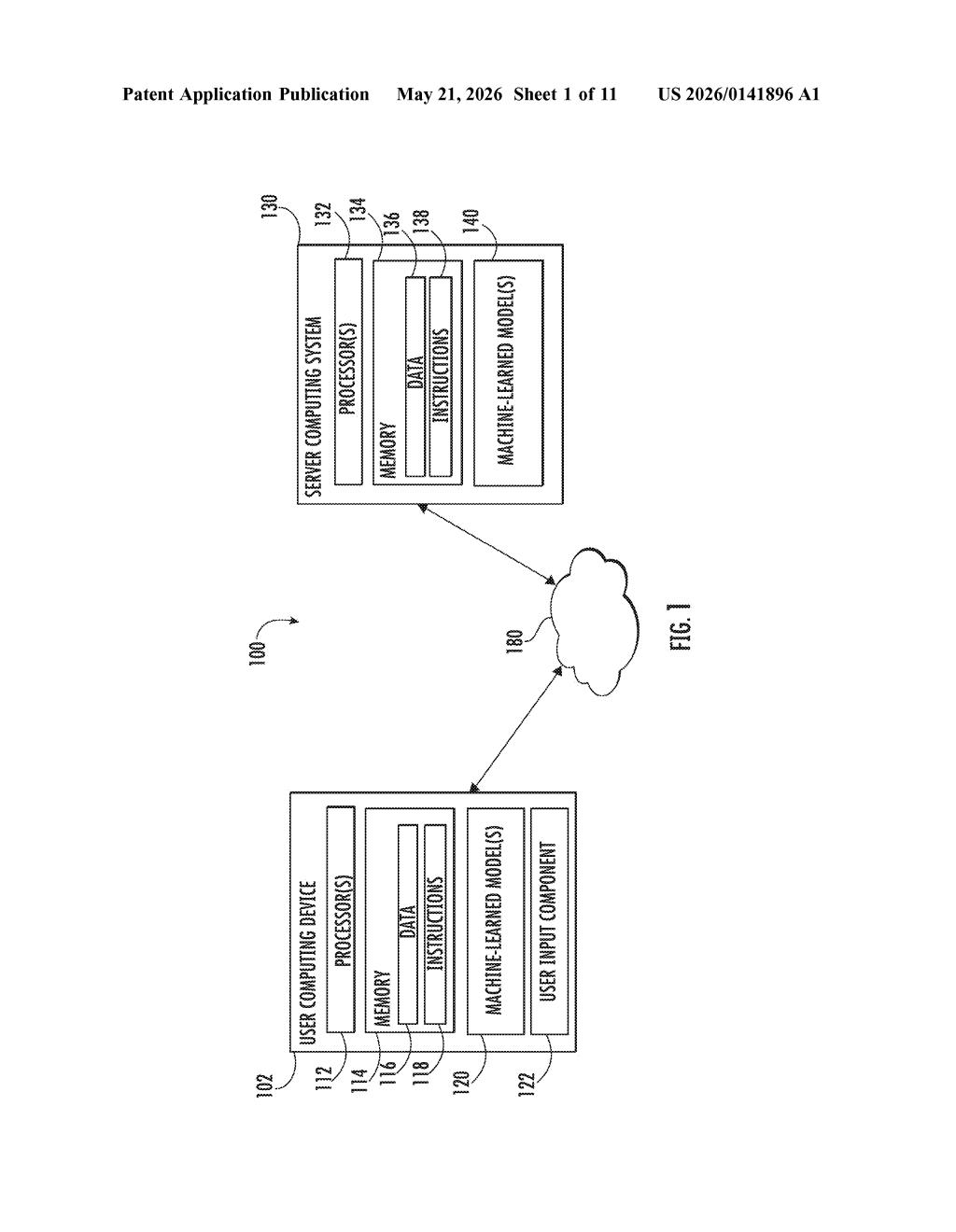
What Google's image-text AI actually does
Imagine you snap a photo of a restaurant menu in French, and instead of just dumping raw text at you, your phone automatically offers a translation. Or you screenshot a dense legal notice and your device offers a plain-English summary without you having to ask. That's the core idea here.
Google's patent describes a system that extracts text from an image and then analyzes characteristics of that text — things like language, format, length, or context — to decide which kind of response makes the most sense. It might translate, summarize, reformat, or answer questions about the text, depending on what it detects.
The response is generated by a machine-learned language model, and the whole pipeline — from image to finished output — is automated. You don't have to tell it what you want; the system tries to infer that from the text itself.
How the model picks a response type from image text
The patent describes a server-side (or device-side) pipeline with a few distinct stages:
- Text extraction: The system pulls textual content out of an image — OCR-style, reading words from photos, screenshots, or scanned documents.
- Characteristic analysis: It then examines properties of that extracted text. The patent is deliberately broad here, but characteristics likely include detected language, structural formatting (list vs. paragraph), subject matter, and possibly user intent signals.
- Response-type selection: Based on those characteristics, the system picks from a plurality of response types — a formal way of saying it chooses from a menu of possible actions, like translate, summarize, reformat, or answer.
- Prompt construction + LLM inference: The system builds a model input that bundles the extracted text with a prompt tailored to the chosen response type, then feeds that into a language model to generate the output.
The key architectural move is the automatic response-type selection step sitting between OCR and LLM. Rather than using a one-size-fits-all prompt, the system dynamically constructs the right prompt for the context — which should produce more relevant and useful outputs than a generic "tell me about this image" query.
What this means for Google Lens and on-device AI
For users, this is most obviously relevant to tools like Google Lens, which already extracts text from images. The patent points toward a version of Lens — or a similar feature in Google's assistant products — that goes well beyond copying text, instead intelligently acting on it based on what the text actually is.
For the broader AI landscape, the interesting part is the intent-inference layer between perception and generation. Getting a model to not just read but also correctly decide what transformation to apply is a meaningful usability upgrade — the difference between a feature that's impressive in a demo and one people actually use every day.
This is a solid, practical patent that describes infrastructure Google almost certainly needs to build out Lens into a genuinely useful AI assistant. The automatic response-type selection is the clever bit — it shifts cognitive load off the user. It's not flashy research, but it's the kind of plumbing that makes AI features feel like magic rather than a party trick.
Get our take in your Top Stories
Liked this breakdown? Add Patentlyze as a preferred source on Google, and our plain-English take shows up more often in your Top Stories the next time Google patent news breaks.
There are more where this came from
We read every patent application Big Tech publishes and send you the ones worth knowing. Plain English, free, every week.
Want this weekly breakdown for a company we don't cover? Patentlyze Pro →