
Google Patents Technology to Detect Fake Faces by Measuring How Cameras See Depth
Holding a printed photo in front of a phone's face-unlock camera is one of the oldest tricks in the book. Google's latest patent describes a way to catch that — using a trick already built into the camera sensor itself.
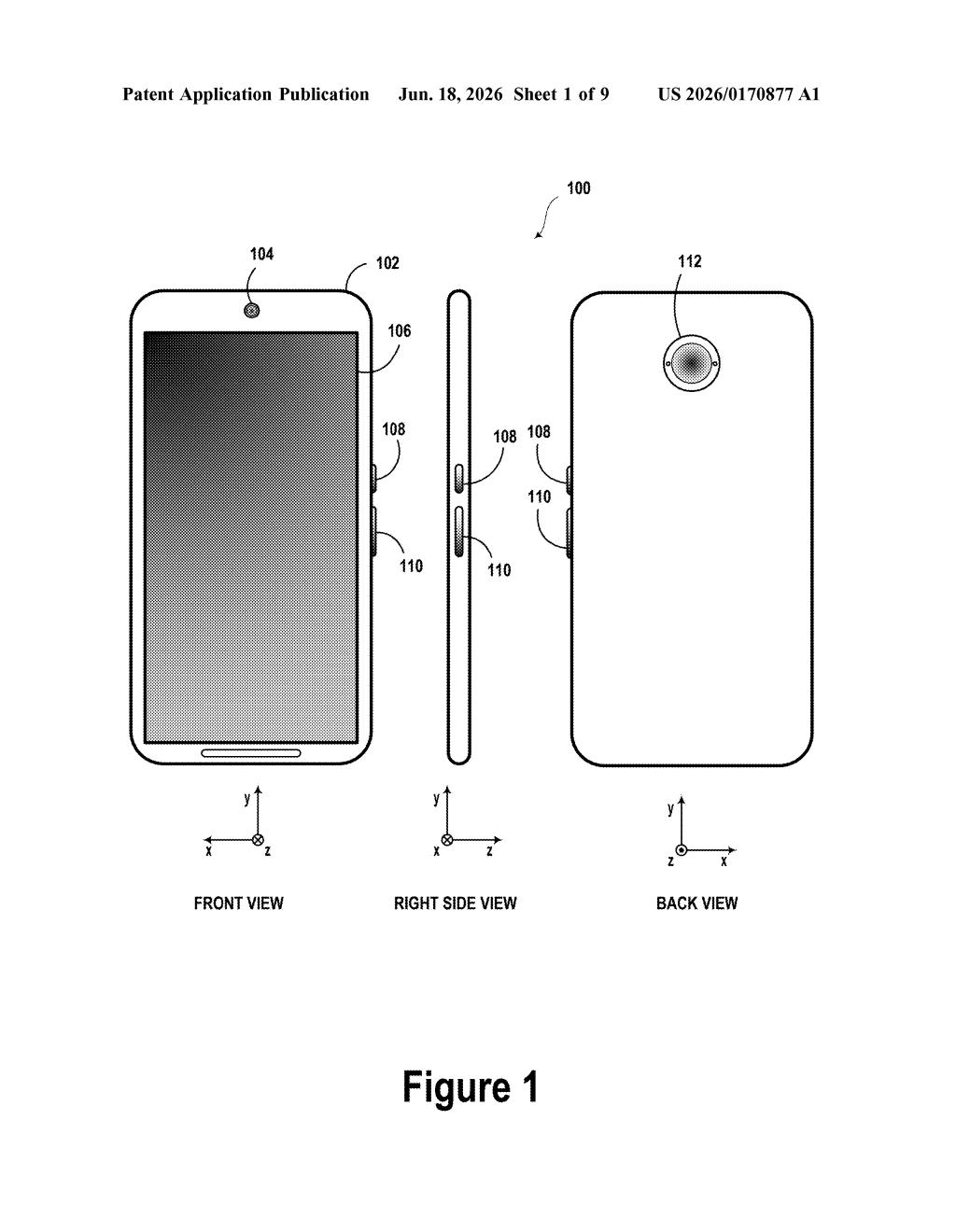
How Google's camera tells a real face from a photo
Imagine someone trying to unlock a phone — or pass a bank's identity check — by holding up a printed photo of the account owner instead of their actual face. That kind of trick is called "spoofing," and it's a real headache for any system that uses cameras to verify identity.
Google's new patent describes a detection method that leans on something most modern smartphone cameras already have: a dual-pixel sensor. Every pixel in one of these sensors is actually split into two halves, each capturing light from a slightly different angle. A real, three-dimensional face produces a small but measurable shift between those two half-images. A flat photo or screen does not — the shift is missing or wrong.
The system measures how similar those two half-images look at different alignments, building a kind of "depth fingerprint." An AI model then reads that fingerprint and decides whether what's in front of the camera is a real object with genuine depth, or a flat fake.
How the dual-pixel correlation volume flags spoofing
The patent works with the dual-pixel architecture already present in many smartphone cameras (including Pixel phones). A dual-pixel sensor splits each photosite into two sub-pixels that receive light from slightly different directions — the same hardware used for fast autofocus.
When the camera captures a subject, it produces two separate sub-images from those two halves. The system runs each sub-image through a neural network to generate a feature map (a compact numerical representation of the image's content). It then compares the two feature maps by sliding one across the other at many different pixel offsets — a technique called computing a correlation volume (essentially asking: "at what shift do these two views look most alike, and by how much?").
The range of offsets tested is anchored to the camera's maximum defocus-disparity — the largest shift a real in-focus object could physically produce given the lens geometry. This calibration step matters because it keeps the comparison grounded in physical optics rather than arbitrary guessing.
- A real 3D face produces a specific, distance-dependent shift pattern between the two sub-images.
- A flat photo or digital screen produces little or no meaningful shift — or an implausible one.
- An anti-spoofing model reads the correlation volume and outputs a score indicating how likely it is that the object is fake.
What this means for face unlock and ID verification
Face unlock and camera-based identity verification are increasingly used for payments, app access, and even government ID checks. Most existing anti-spoofing systems look for surface clues — skin texture, blinking, slight motion — that a good-quality printout or a screen replay can sometimes fool.
This approach is different because it relies on physical depth information baked into the sensor's optics, not just what the image looks like. A flat fake simply cannot reproduce the correct stereo-disparity signature of a real face, regardless of print quality. For you as a user, that could mean face unlock that's harder to defeat with a photo — and for businesses running remote identity checks, it could reduce fraud without requiring extra hardware.
This is a genuinely clever use of existing hardware. Dual-pixel sensors are already in Pixel phones for autofocus, so Google could deploy this as a software update rather than a hardware redesign. The approach is also harder to fool than texture-based methods, which makes it meaningful for high-stakes verification — not just convenience unlocking.
There are more where this came from
We read every patent application Big Tech publishes and send you the ones worth knowing. Plain English, free, every week.
Want this weekly breakdown for a company we don't cover? Patentlyze Pro →