
Google's New Patent Stops Your Smartwatch from Getting a Bad Heart Rate Reading Mid-Run
Every time you check your heart rate mid-run, your smartwatch is fighting against the jostling of your own body. Google's new patent describes a system that knows when your movement is messing up those readings — and adjusts accordingly.
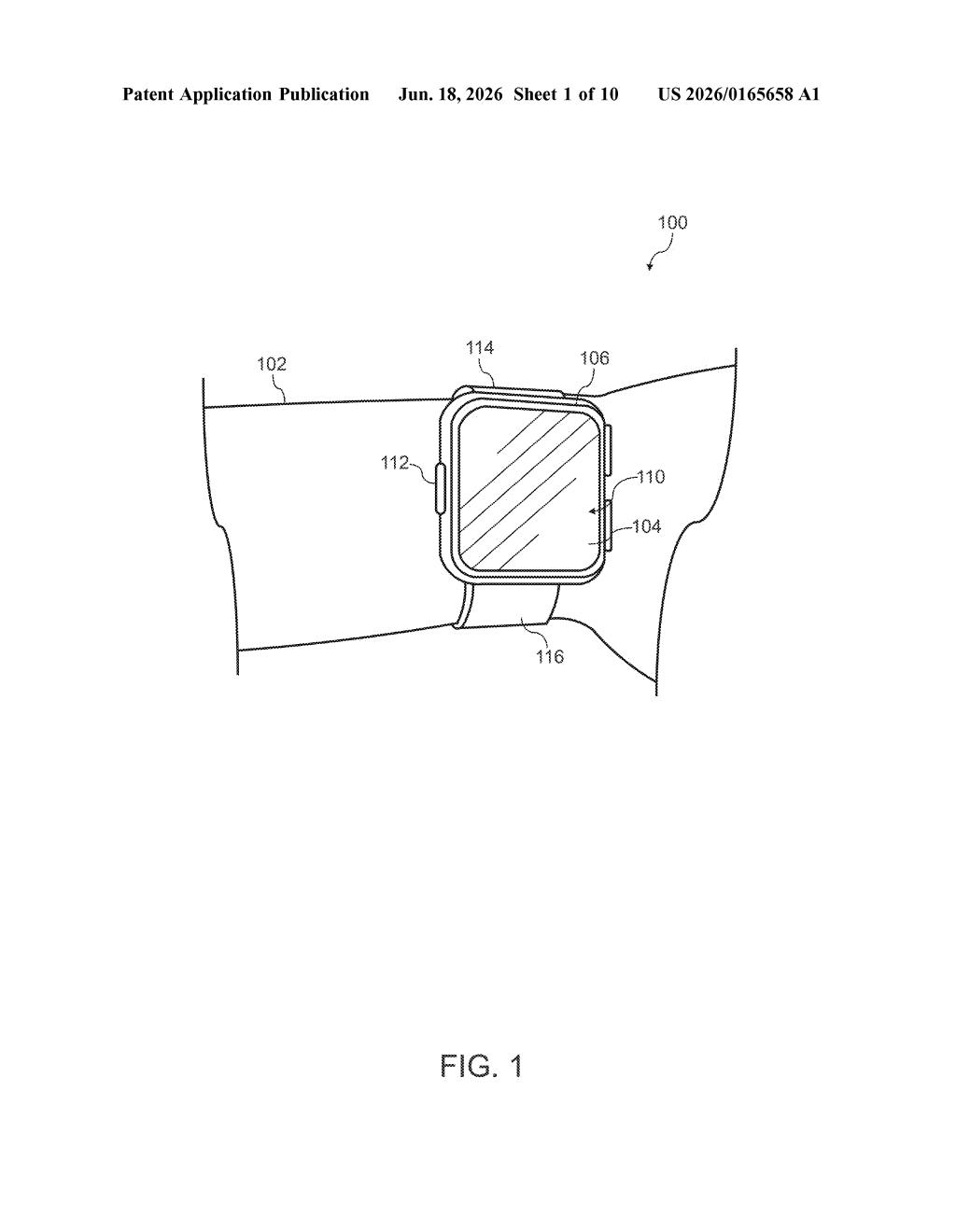
What Google's motion-filtering health sensor actually does
Imagine your fitness tracker tries to read your heart rate while you're sprinting. The bouncing and jostling of your wrist can scramble the light-based sensor the device uses, producing readings that are wildly off. That's a frustratingly common problem with wearable health sensors, and it's exactly what this patent addresses.
Google's idea is to pair the optical health sensor (the one that shines light into your skin to measure blood flow) with a motion sensor — the same kind already built into most wearables for step counting. By comparing the two data streams, the device can figure out how much of what it's reading is actual biology versus vibration artifact, then decide what to do about it.
That "what to do" part is key. Instead of just tossing out bad readings, the device can change its operating mode — perhaps switching to a different measurement strategy, alerting you to hold still, or increasing sampling rate to get a cleaner average. The goal is a wearable that knows when to trust itself.
How the accelerometer and optical sensor work together
The patent describes a wearable computing device — think smart glasses, a fitness band, or a health-focused headset — that houses four main components working together: a display, an inertial measurement unit (IMU) (a motion sensor that tracks acceleration and rotation), one or more optical sensors (which use light to measure things like heart rate or blood oxygen), and a processor to tie it all together.
The processor's job is to run a comparison between what the optical sensor sees and what the motion sensor detects at the same moment. When the two correlate — meaning a spike in the health reading lines up suspiciously well with a sudden jolt of movement — the system flags that spike as a motion-induced spurious component (essentially, a fake reading caused by motion rather than a real biological signal).
Once identified, those corrupted data points are used to trigger a change in the device's operation mode. The patent doesn't lock this down to one specific response — the mode change could mean:
- Pausing or discarding unreliable readings
- Switching the sensor to a different configuration
- Prompting the user to change behavior
- Adjusting how aggressively the device filters incoming data
The patent applies this approach broadly, covering any wearable where optical health sensing and motion could conflict — which is essentially all of them.
What this means for fitness tracking accuracy
Health sensor accuracy during exercise is one of the most consistent complaints about consumer wearables. Heart rate readings during high-intensity movement can be off by enough to render workout data meaningless — and blood oxygen readings during sleep can be similarly corrupted by restlessness. A system that actively identifies and responds to motion contamination in real time would make health data measurably more trustworthy.
For Google, this is relevant across its hardware portfolio. The company makes the Pixel Watch line and has invested heavily in health-sensing features, while also working on smart glasses under the Android XR platform. Any wearable that sits on your body and tries to read your biology has this exact problem — and this patent covers the fix broadly enough to apply to all of them.
This is genuinely useful, unglamorous engineering. Motion artifact in optical health sensors is a well-known problem that every wearable maker deals with, and patenting a feedback loop between the IMU and the optical sensor is a sensible, practical approach. It's not a flashy AI story, but it's the kind of foundational signal-quality work that determines whether health data is actually usable.
There are more where this came from
We read every patent application Big Tech publishes and send you the ones worth knowing. Plain English, free, every week.
Want this weekly breakdown for a company we don't cover? Patentlyze Pro →