
Google Files Patent for a Phone That Notices When Your Finger Is Covering the Speaker
To spot a finger over its speaker, a phone could play a sound you can't hear and listen for what comes back. Google's new patent application covers that trick and the fixes that follow.
What Google's blocked-speaker fix actually does
A man holds his phone sideways to watch a video, and his thumb rests right over the speaker. The sound turns thin and crackly, and he never connects the two. You have probably done the same thing during a speakerphone call or while playing music.
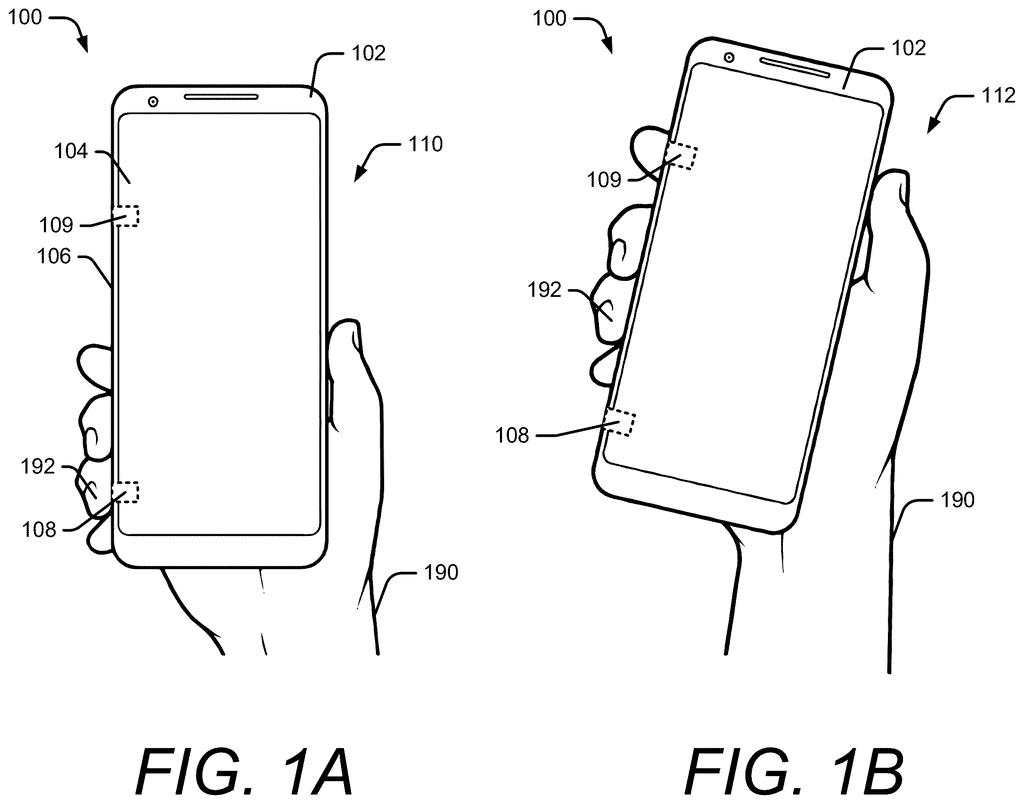
Google's patent application describes a phone that notices this on its own. It checks how its own speaker is behaving to spot a blocked opening, then looks at its motion sensors to work out whether you are the cause, say a finger gripping the case.
If it is you, the phone can turn the volume down, adjust the sound balance to tame the distorted frequencies, or show a message asking you to move your finger. When your hand moves away, the phone can put everything back the way it was.
… determining, based on the first sensor data, a physical blockage of the speaker port; receiving second sensor data from at least one second sensor; determining, based on the second sensor data, a cause of the determined physical blockage of the speaker port; …
Translation: The phone first detects that something is blocking the speaker and then figures out what is causing it.
How the phone tells a finger from a pocket
The patent covers a method (plus a matching system and storage medium) with two sensing steps. First, the phone plays sound out of the speaker port, the small opening in the case, and uses a first sensor to check whether that opening is blocked. The description names three options: a microphone listening to the output, a motion sensor (an inertial sensor) feeling the phone vibrate, or a current and voltage sensor that watches the speaker's electrical load, called impedance, which rises when the port is covered.
The phone can also mix in an inaudible tone, such as a 20 kHz chirp, so it has a known signal to check. Second, a different sensor, often the motion sensor, works out the cause. An on-body detector reads movement to tell whether the phone is being carried or held, and a tap detector reads vibrations from fingers gripping or tapping the phone. Both can feed trained prediction models (classifiers, which sort readings into 'blocked' or 'not blocked').
Once the cause is known, the phone picks a response:
- Lower the speaker volume.
- Apply an equalization filter (a sound-balance adjustment that turns down the frequencies that are distorting).
- Show a notification on the screen.
The description adds that the phone can detect when the blockage ends and reverse the change.
Responsive to determining a cause of the physical blockage of the speaker port, the computing device performs one or more actions to mitigate audio distortion of the sound output from the speaker port.
Translation: Once the phone knows why the speaker is blocked, it automatically adjusts the sound to fix any distortion.
What this means for calls and music on your phone
If you have ever wondered why a speakerphone call suddenly sounds muddy, this is the problem Google is going after. Your phone would catch a covered speaker and either fix the sound or tell you, which could mean fewer missed words on calls and less distorted music. The description also says it could save a little battery and processing power otherwise spent on volume that never reaches your ears.
The examiner's first review rejected the claims as filed, which is routine, and claims usually get amended afterward. The filing lists phones, tablets, smart watches, smart speakers and car infotainment systems as possible devices, so the idea is not tied to one gadget. It is a patent application, not a product announcement, and nothing in it says when or whether it would show up on a device.
Google's 31st filing we've tracked in our cell phone patents since May follows one on cutting battery drain and one on predicting overheating.
This sits close to a feature you could actually get. The description leans on a microphone, a motion sensor, and a way of measuring how hard the speaker is working. The fixes are things phones already do: turn the volume down, rebalance the sound, show a message.
What has to exist first is a trained model that can tell your finger from a pocket or a table, plus tuning so the sound correction does not make things worse. The filing gives no accuracy figures, so how well it works is unknown.
The shortest route to a product is a software update on a phone that already has the right sensors. That makes it a modest idea with a short road, and the examiner's first rejection is a routine bump along that road.
Get our take in your Top Stories
Liked this breakdown? Add Patentlyze as a preferred source on Google, and our plain-English take shows up more often in your Top Stories the next time Google patent news breaks.
There are more where this came from
We read every patent application Big Tech publishes and send you the ones worth knowing. Plain English, free, every week.
The drawings
11 drawing sheets from US 2026/0323228 A1 · click any drawing to enlarge


Show the other 3 sheets


Want this weekly breakdown for a company we don't cover? Patentlyze Pro →
Be the first to weigh in