
Samsung Patents a Speaker That Stays Quiet When Privacy Is on the Line
Your smart speaker shouts answers into the room even when you'd rather nobody else heard them. Samsung has filed a patent for a system that routes replies back through your phone or headset instead, silently, when it decides that device deserves a little more discretion.
What Samsung's privacy-aware speaker actually does
You're asking your voice assistant something personal, maybe a medication reminder or a bank balance, and the answer booms out of the speaker sitting on your kitchen counter for everyone in the house to hear.
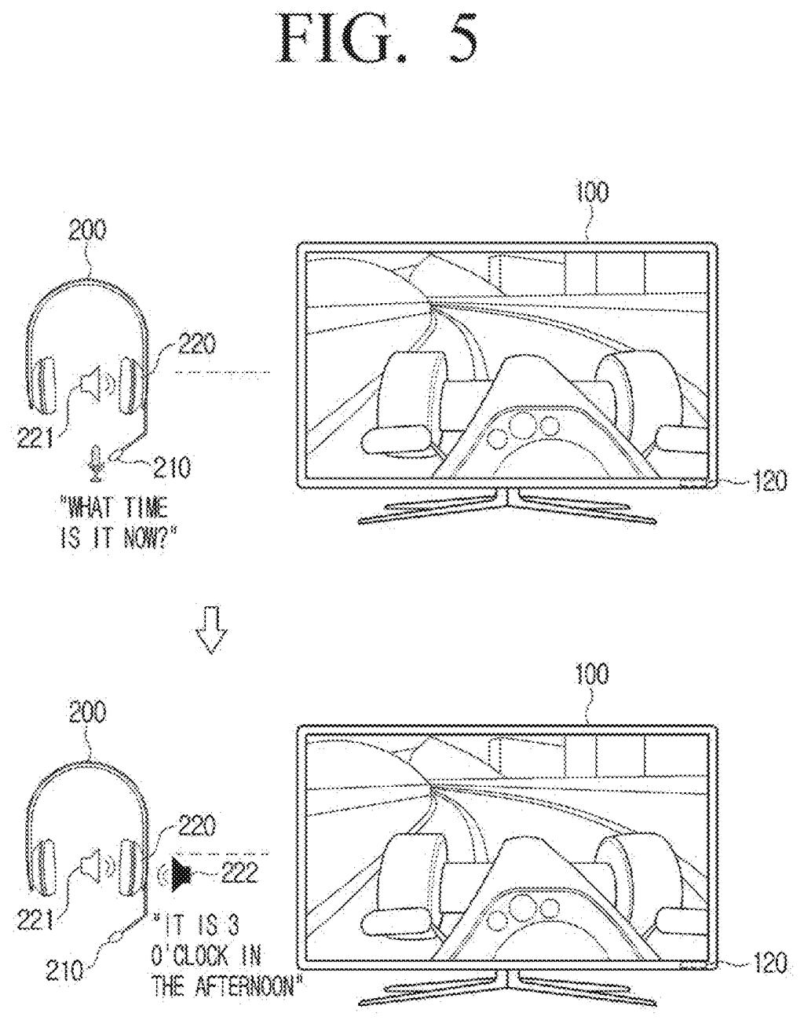
Samsung's patent describes a speaker (or any voice-assistant device) that checks where the question came from before deciding where to send the answer. If your request came from a device Samsung's system labels a "privacy device", like a phone or a pair of earbuds, it sends the reply back to that device only. Nobody standing nearby hears a thing. If the question came from a regular, non-private source, the speaker answers out loud as normal.
The switch is automatic. You don't tap a setting or change a mode. The system just figures out what kind of device is talking to it and routes accordingly.
… based on identifying that the external device is a privacy device, output a response signal regarding the voice signal to the external device through the communication interface; and based on identifying that the external device is not a privacy device, output a response signal regarding the voice signal through the speaker.
Translation: The system checks if your current accessory is private, sending answers directly to it or using the built in speaker otherwise.
How the device decides where to send its reply
The patent describes an electronic apparatus, think a smart speaker or a home-assistant hub, that receives voice queries forwarded from a connected external device.
When a voice input arrives, the processor checks a flag: is the sending device tagged as a "privacy device"? The patent doesn't lock down exactly which gadgets qualify, but the framing implies devices like smartphones, earbuds, or wearables that the user has designated as personal. That designation appears to live in memory on the hub, probably set during pairing.
- If the device is flagged as a privacy device, the hub sends its response signal back through the communication interface to that same device. The speaker stays silent.
- If the device is not flagged as a privacy device, the hub plays the response out loud through its audio output unit as usual.
The key mechanism is the routing decision sitting between input and output. The processor makes that call before any audio is committed to the room. This is a relatively thin layer of logic, but it sits at the right chokepoint: the moment the response is about to leave the device.
What this means for shared rooms and smart-home setups
Shared living spaces are the weak point of every voice assistant on the market today. When an answer goes to the speaker, it goes to the room. Samsung's approach would let a single hub behave differently depending on who asked and from which device, which could make shared smart speakers feel less like a public-address system and more like something you'd trust with a sensitive question.
a growing pile of Samsung voice-privacy filings suggests the company is thinking seriously about this gap. For you as a user, the practical upside is that your smart home device could become something you'd actually use in a bedroom or a shared office without broadcasting your business to everyone nearby.
Samsung's 24th filing we've tracked since June, building on work like shielding AI data on load and small models teaching larger ones, adds another piece to our on-device AI privacy watch.
The tradeoff here is that the whole system depends on the "privacy device" flag being set correctly, and the patent is quiet on how that happens. If labeling is manual during setup, most people will never bother. If it's automatic, Samsung has to decide what counts as private, a call that's harder than it sounds when the same phone might be used by different family members.
There's a second cost: routing the reply back to the originating device means the audio experience degrades. You asked through your phone, so the answer plays on your phone speaker or earbuds, not the room's better audio. That's a fair price for privacy, but it's still a price, and the patent doesn't address whether users will find the tradeoff obvious or confusing.
The underlying idea is sound. The execution gap, whether people will configure it right and whether the audio fallback is good enough, is where this lives or dies in practice.
There are more where this came from
We read every patent application Big Tech publishes and send you the ones worth knowing. Plain English, free, every week.
The drawings
13 drawing sheets from US 2026/0290340 A1 · click any drawing to enlarge


Want this weekly breakdown for a company we don't cover? Patentlyze Pro →
Be the first to weigh in