
Google Patents a Two-AI System Where One Model Edits the Other's Answers
What if an AI's first answer was just a draft — and a second AI quietly rewrote the rough parts before you ever saw them? That's exactly what this Google patent describes.
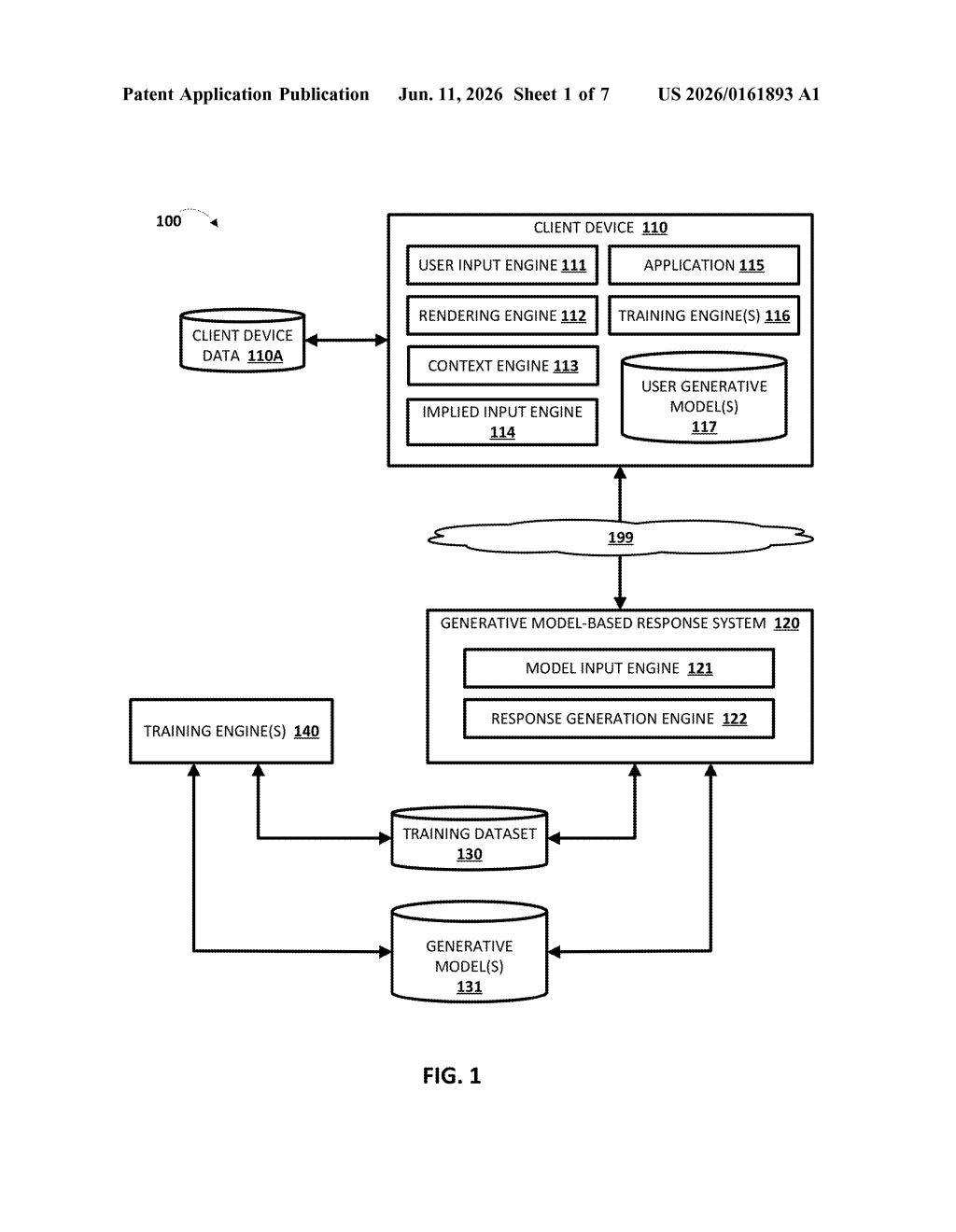
How Google's two-model editing loop actually works
Imagine asking a question and getting an answer that's almost right — but the AI itself notices something is off. Instead of just giving you that flawed response, it quietly hands the draft over to a second AI for review and correction before the final answer reaches you.
That's the core idea here. Google is patenting a setup where one AI generates an initial response — think of it as a rough draft — and if that draft contains a signal saying "this part needs fixing," a second AI steps in, figures out what should change, and sends that guidance back to the first AI to produce a polished final answer.
The two AIs can run on the same device or on different ones — for example, a lightweight model on your phone and a more powerful model on a remote server. The goal is an output that's more accurate and reliable than either AI could produce alone.
Inside the provisional-output revision cycle
The patent describes a two-stage generative model pipeline in which a first AI model produces what the patent calls a provisional output — essentially a first-pass answer to a given input.
Here's the sequence the patent lays out:
- The first AI model generates its initial response.
- The system checks whether that response contains an embedded instruction to adapt — a built-in flag that signals something in the output needs revision.
- If such a flag is present, the relevant portion is handed to a second generative model, which generates specific guidance on how to fix or improve it.
- That corrective guidance is fed back into the first model, which then produces the final, adapted output.
A key detail: the two models don't have to live on the same hardware. The patent explicitly covers configurations where the first model runs on a local device (like a phone) and the second model runs on a remote server — allowing a compact on-device model to call in a heavier cloud-based model when it detects it needs help.
The self-flagging mechanism is notable — rather than an external system deciding when to trigger the second model, the first model's own output contains the signal, making the correction process more tightly integrated.
What a self-correcting AI pipeline means for Google products
For everyday users, this matters because it targets one of the most frustrating things about AI assistants: confident-sounding answers that are subtly wrong. A pipeline where the AI itself can detect uncertainty and route to a second, potentially more capable model is a meaningful step toward fewer hallucinations and more reliable responses.
Strategically, this fits neatly into Google's existing AI infrastructure — Gemini Nano runs on Pixel devices while larger Gemini models run in the cloud. A patent that formally describes routing between on-device and cloud models suggests Google is building the plumbing to make that handoff automatic and context-aware, rather than leaving it to developers to wire up manually.
This is a genuinely interesting architectural idea — using the model's own output as the trigger for self-correction is cleaner than bolting on an external quality-checker. Whether it's novel enough to survive a patent challenge is a different question, but as a description of where agentic AI pipelines are heading, it's worth paying attention to.
There are more where this came from
We read every patent application Big Tech publishes and send you the ones worth knowing. Plain English, free, every week.
Want this weekly breakdown for a company we don't cover? Patentlyze Pro →