
Samsung Patents a Memory Chip That Does Its Own AI Calculations
What if your memory chip didn't just store data — it also did the math? Samsung's latest patent describes a chip that runs a core AI calculation right inside the memory itself, without shipping numbers back and forth to a separate processor.
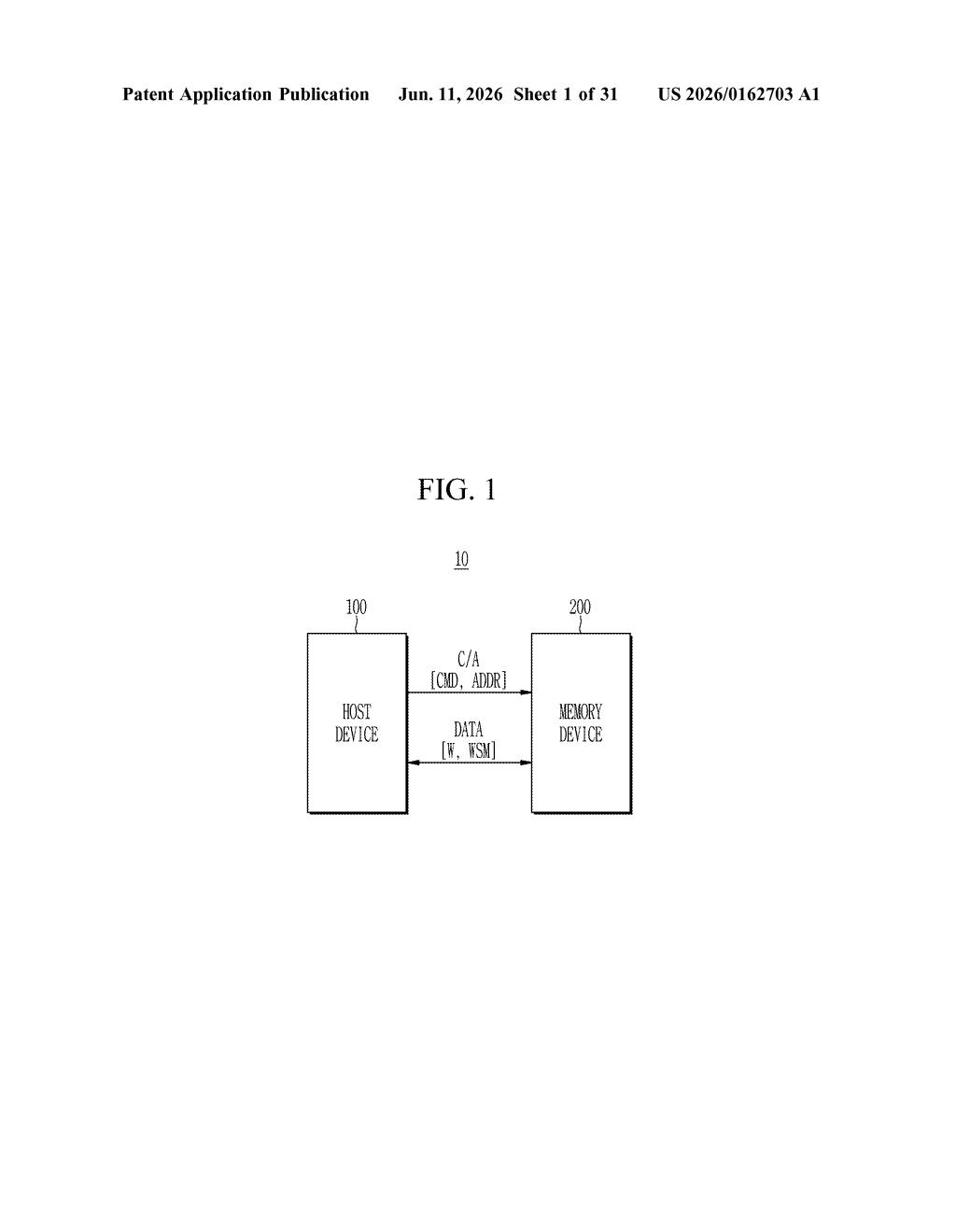
What Samsung's in-memory AI math chip actually does
When an AI model makes a decision — say, recognizing your face or predicting the next word you'll type — it runs millions of tiny multiplications and additions called a weighted sum. Normally, the data lives in memory, travels to a processor chip, gets crunched, and travels back. That back-and-forth burns time and power.
Samsung's patent describes a memory chip that skips that round trip. The chip stores AI model weights (the numbers that encode what a neural network has "learned") in special memory cells, then does the weighted-sum calculation right there in the memory array, using an analog circuit to add everything up and convert the result into a digital number.
The design also includes a dedicated set of "reference" cells alongside the weight cells. Think of the reference cells as a built-in calibration ruler — they help the chip produce consistent, accurate results even though it's doing math in analog hardware, which can drift or vary slightly from chip to chip.
How the weight cells and ADC compute the weighted sum
The patent describes a compute-in-memory (CIM) architecture — a design where the memory array itself performs arithmetic instead of just storing data.
The memory cell array is divided into two regions:
- Weight cell array — stores the learned numerical weights of a neural network. Each cell holds one of two possible values (think of them as a binary 0 or 1 encoded in analog current).
- Reference cell array — stores known calibration values using the same two-value scheme, providing a stable baseline the circuit can compare against.
During a read operation, the chip activates selected rows (called word lines) in both arrays simultaneously. The currents from all those activated cells flow together onto shared wires (bit lines), naturally summing up in analog — a physical shortcut that replaces many discrete multiply-and-add steps a CPU or GPU would otherwise perform.
An analog-to-digital converter (ADC) — a circuit that translates a continuous electrical signal into a discrete number — then captures that combined current and outputs a digital value representing the weighted sum. The reference cells ensure the ADC has a reliable anchor point, compensating for manufacturing variation across cells.
What this means for AI chips and edge devices
Moving AI math into the memory chip directly attacks one of the biggest bottlenecks in running neural networks: the constant data shuffle between memory and processor. This is especially relevant for edge devices — phones, wearables, cameras, and IoT sensors — where battery life and chip area are tightly constrained and you can't just bolt on a big GPU.
Samsung is one of the world's largest memory manufacturers, so a compute-in-memory patent from them carries real weight. If this architecture makes it into production, it could let your phone or smart camera run more AI inference locally — faster and more efficiently — without leaning on a cloud server or a power-hungry accelerator chip.
Compute-in-memory is a genuinely competitive research area right now, with companies like TSMC, Macronix, and several startups all working the same angle. Samsung's specific twist — using a paired reference cell array alongside the weight cells to anchor the analog computation — is a credible engineering approach to a real accuracy problem. This isn't a flashy consumer-facing filing, but it's the kind of foundational memory architecture work that determines what AI chips look like in three to five years.
There are more where this came from
We read every patent application Big Tech publishes and send you the ones worth knowing. Plain English, free, every week.
Want this weekly breakdown for a company we don't cover? Patentlyze Pro →