
Meta Patents a System That Picks an AI Personality Based on What You Say
Instead of one AI voice that answers every question the same way, Meta is patenting a system that reads your input and routes your conversation to whichever AI character best fits the moment.
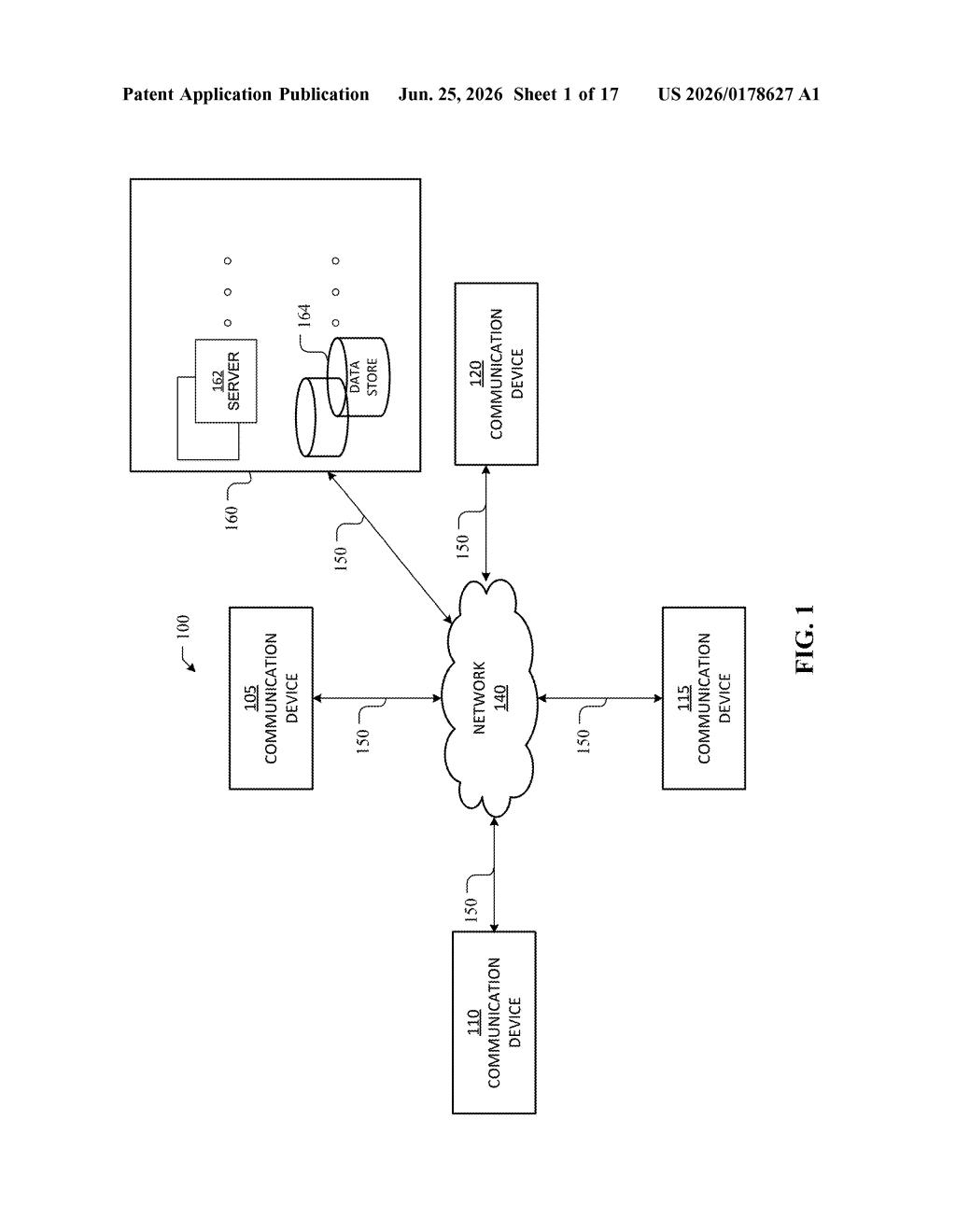
How Meta's mood-matching AI character system works
Imagine texting a friend who's great at cooking advice, then texting a different friend who's better at pep talks. Meta's new patent describes an AI system that does something similar automatically: it looks at what you type or say, figures out the kind of response that would fit, and picks a matching AI personality from a lineup of characters to reply.
Each AI character in the system has a distinct personality, not just a different name. The idea is that the character's voice, tone, and style shape the response you get, so a question about fitness might pull in a different character than a question about creative writing.
This is essentially a matchmaking layer sitting in front of the actual AI response. You send something, the system decides which personality is the right fit, and then you get an answer delivered in that character's style.
How the system reads input and selects a character
The patent describes a pipeline with four main steps:
- Input detection: The system picks up whatever you send, whether that's text, voice, or another signal from your device.
- Input analysis: It reads the content and intent of your message (think of it like topic and tone detection) to pull out an "indication" of what kind of interaction you're looking for.
- Character selection: From a roster of AI characters, each with a defined personality profile, the system picks the one whose personality is the closest match to that indication.
- Contextualized response: The selected AI character generates a reply, and that reply is delivered in a way that reflects the character's personality, not just its words but the whole presentation context.
The claim is broad: it covers any communication device, so this could apply to phones, headsets, smart glasses, or other hardware Meta builds or supports.
The system essentially decouples "who answers" from "what you asked," treating character selection as its own discrete step rather than baking a single personality into one monolithic assistant.
What this means for Meta's AI assistant ambitions
Meta has been publicly building out AI characters on Instagram and Messenger, and this patent fits squarely into that effort. A system that automatically routes your input to the right personality could make those characters feel less like novelty accounts and more like a genuinely useful interface layer across Meta's apps.
For you as a user, the practical question is whether automatic character-matching actually improves conversations or just adds a layer of unpredictability. The patent is framed around engagement, and that's a tell: this is as much about keeping you on the platform as it is about giving you better answers.
This is a real product-strategy patent, not a technical breakthrough. Meta is essentially staking out IP around the idea that AI assistants should be character-matched to user intent, which is a directional bet on personality-driven AI interfaces. Whether the matching actually works well in practice is a product execution question, not a patent question, but the filing shows Meta is thinking about AI characters as a serious long-term interface model, not just a marketing feature.
There are more where this came from
We read every patent application Big Tech publishes and send you the ones worth knowing. Plain English, free, every week.
Want this weekly breakdown for a company we don't cover? Patentlyze Pro →