What the filings show
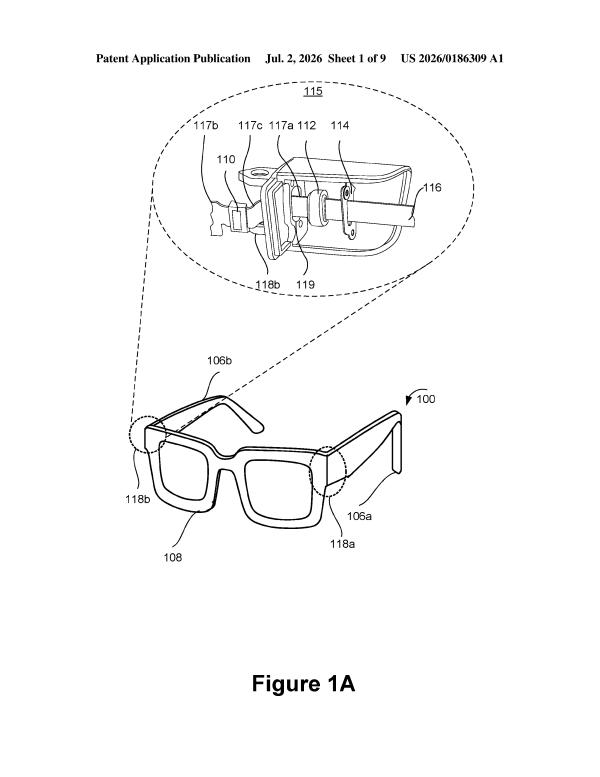
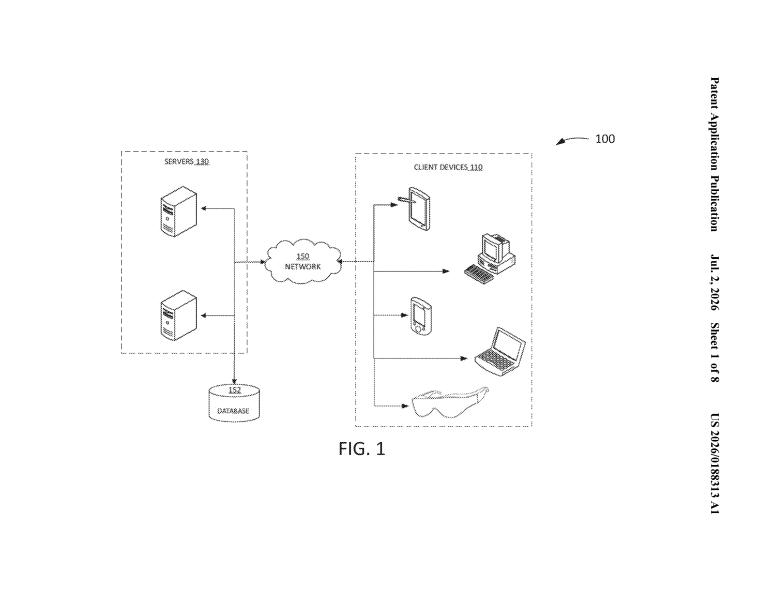
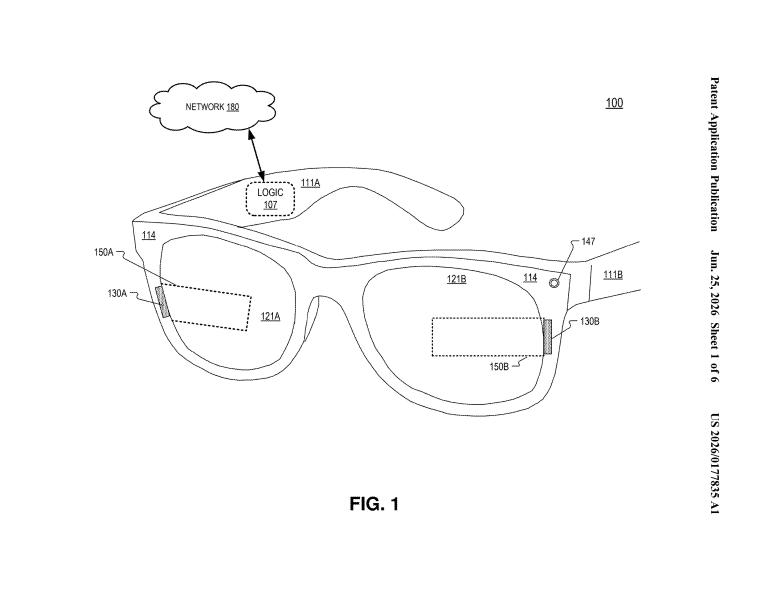
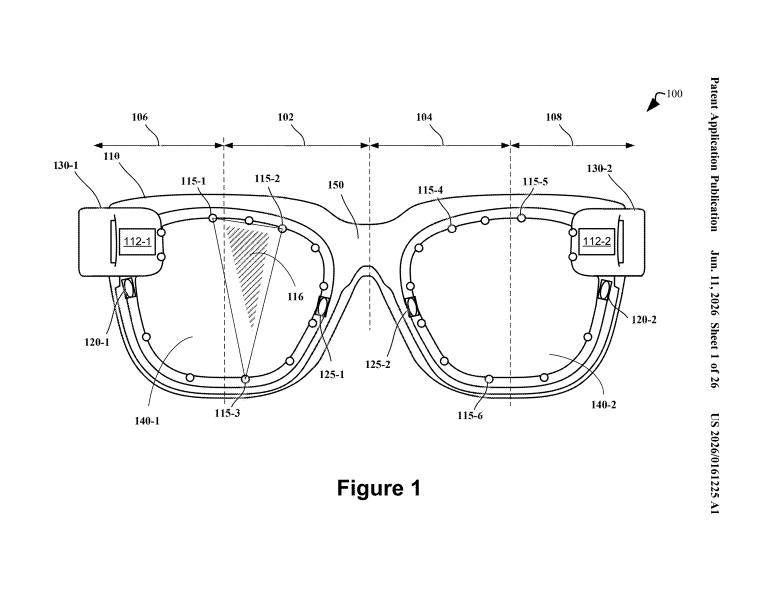
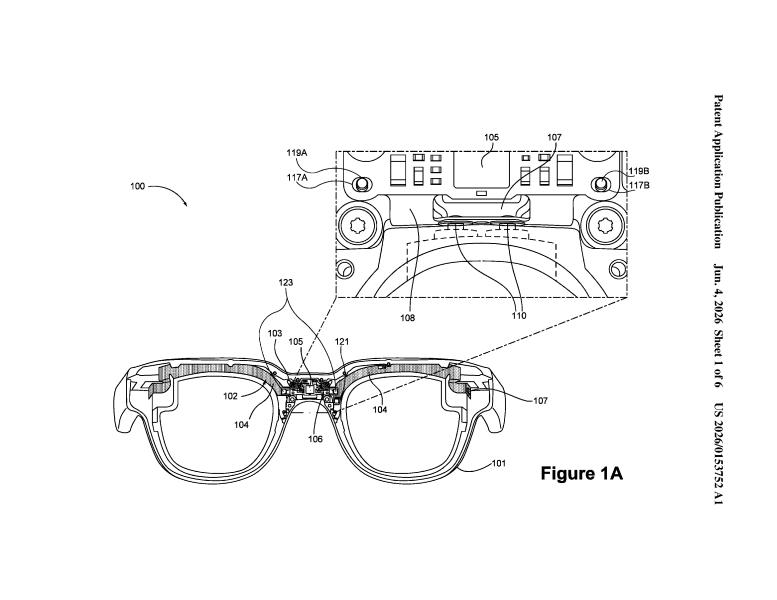
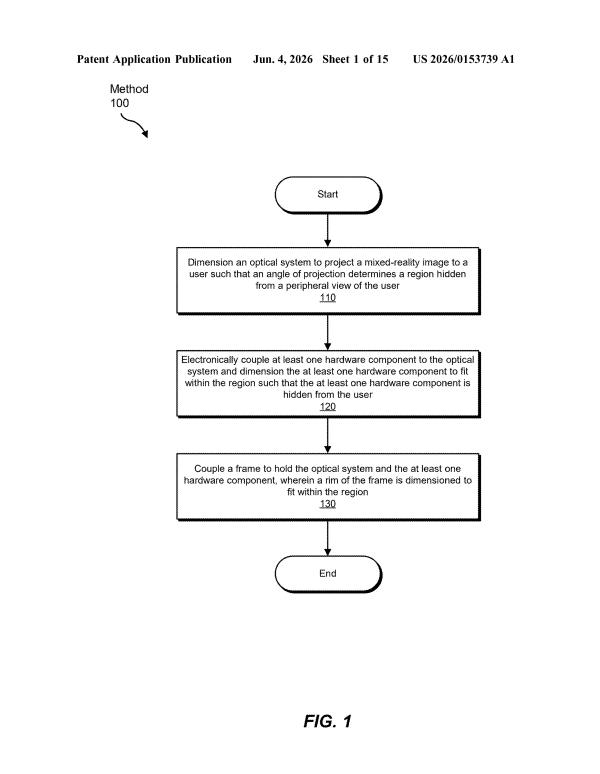
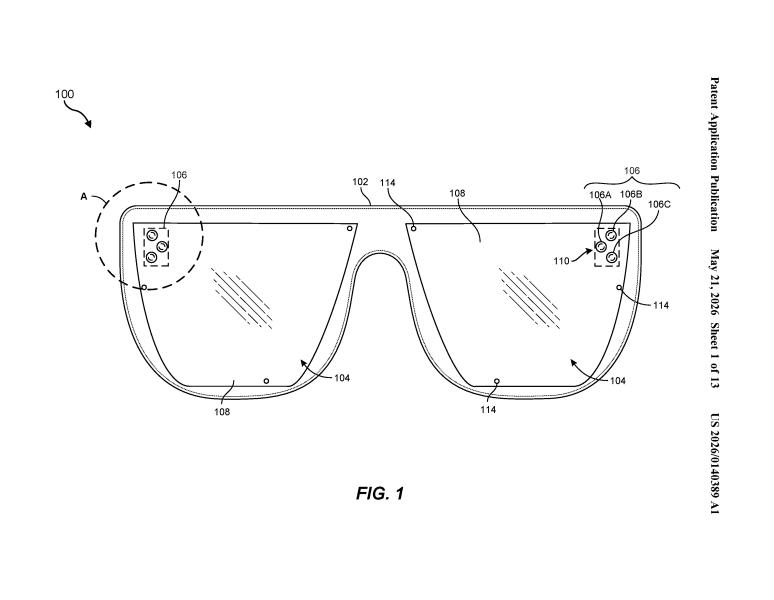
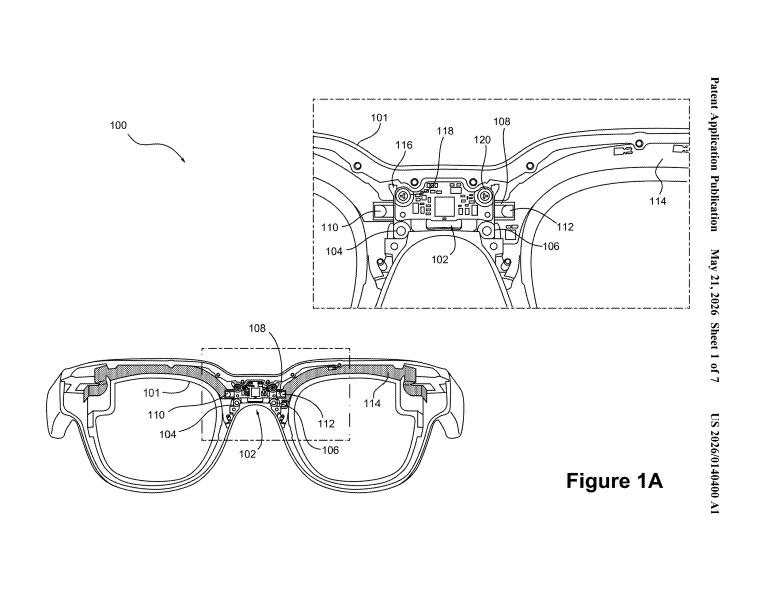
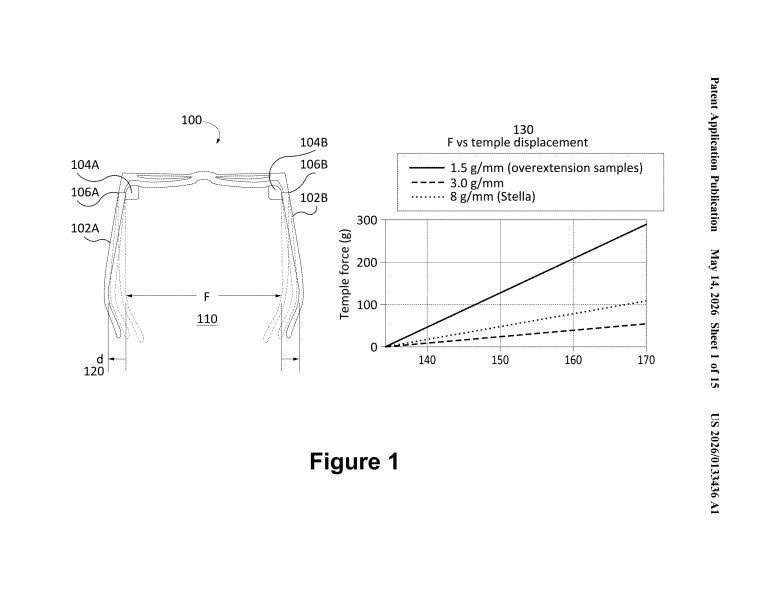
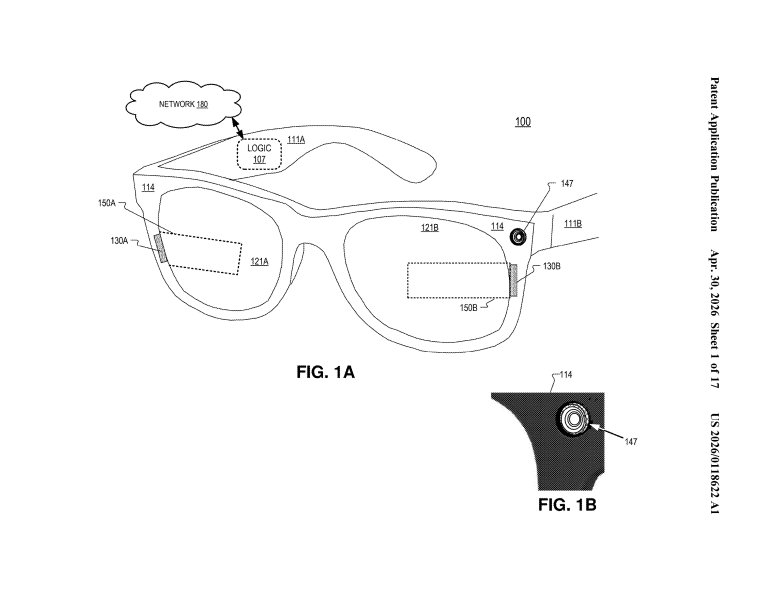
Most of the engineering weight in this batch sits in the physical frame. Filings cover a metal-sheathed camera lens with a built-in air gap, a hinged nose bridge for fit, a dual-hinge system meant to survive daily bending, and a nose-bridge sensor that catches display misalignment before it becomes visible. A separate filing hides charging and sensor hardware inside that same nose bridge, and another tucks components into the eye's natural blind spot. The pattern is clear: Meta keeps returning to the nose bridge and hinge area as the spot where comfort, durability, and optical alignment all collide.
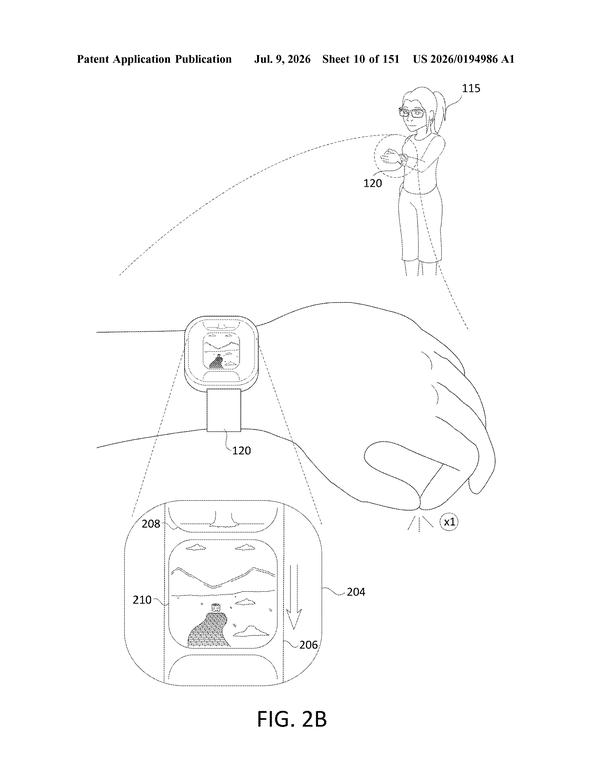
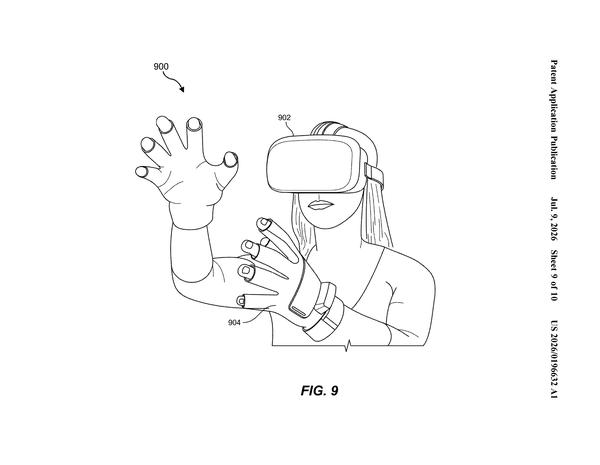
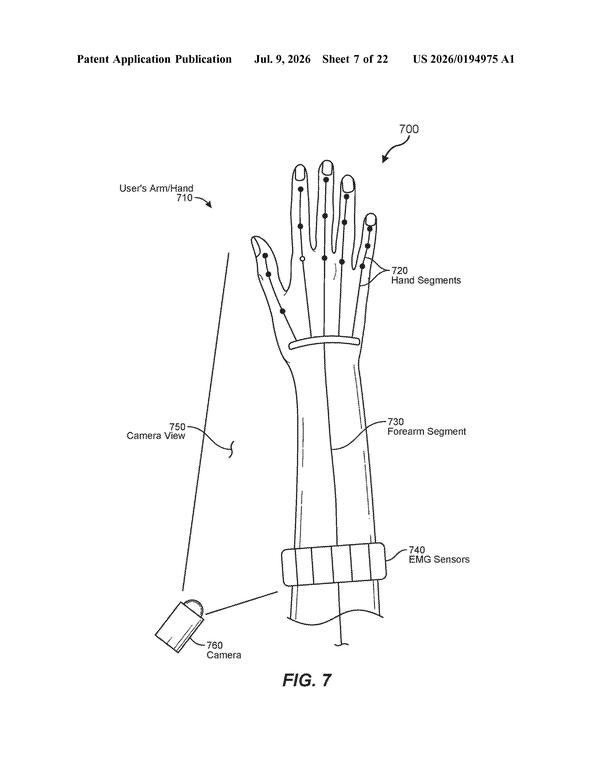
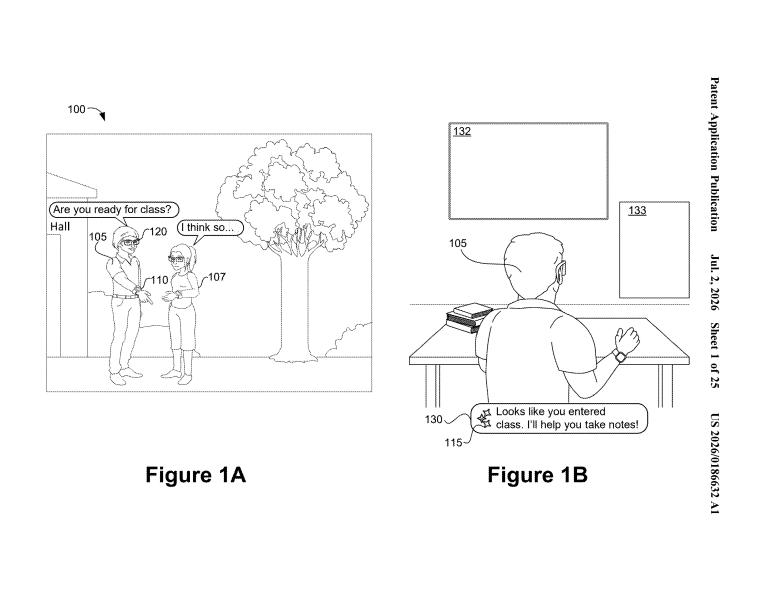
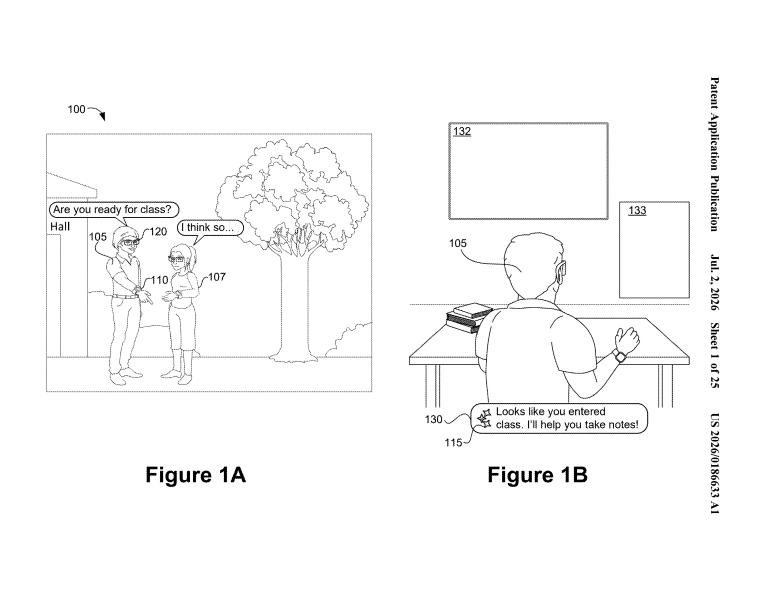
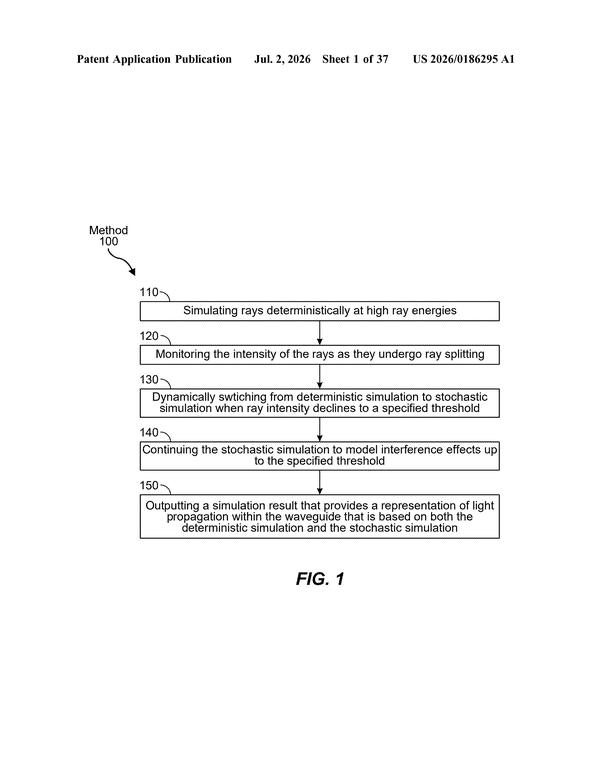
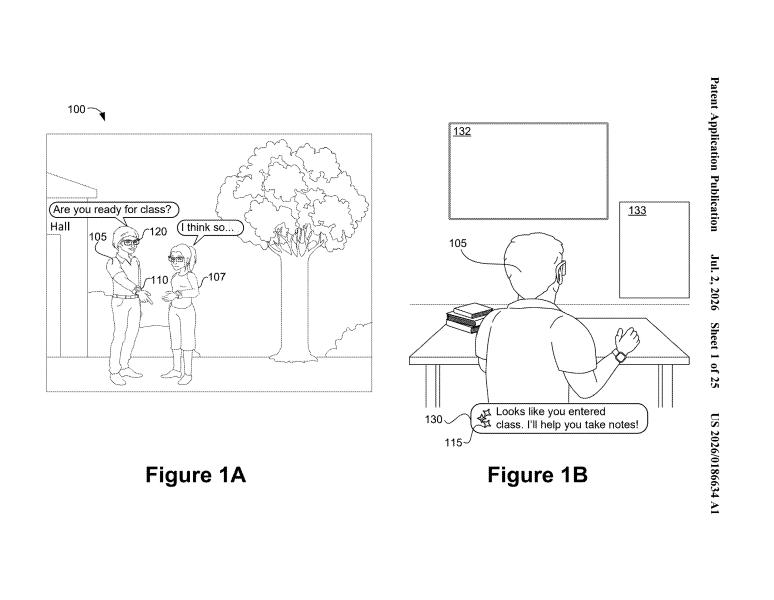
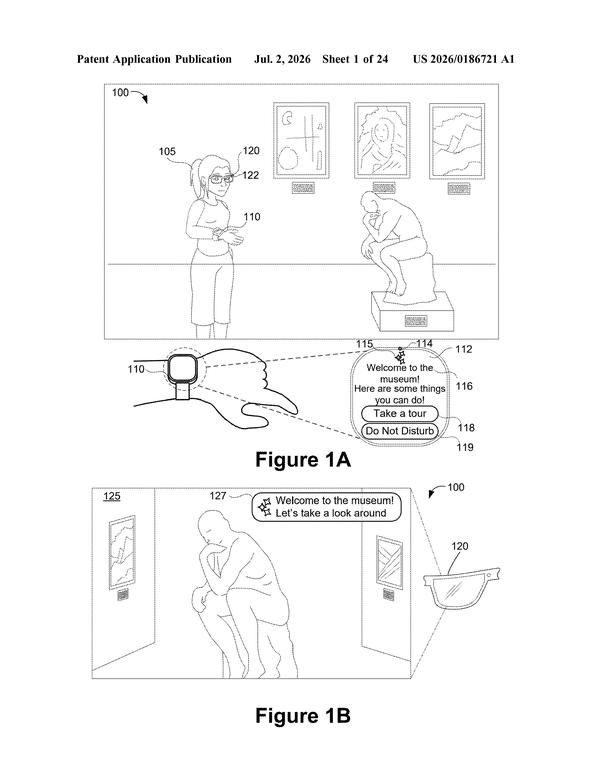
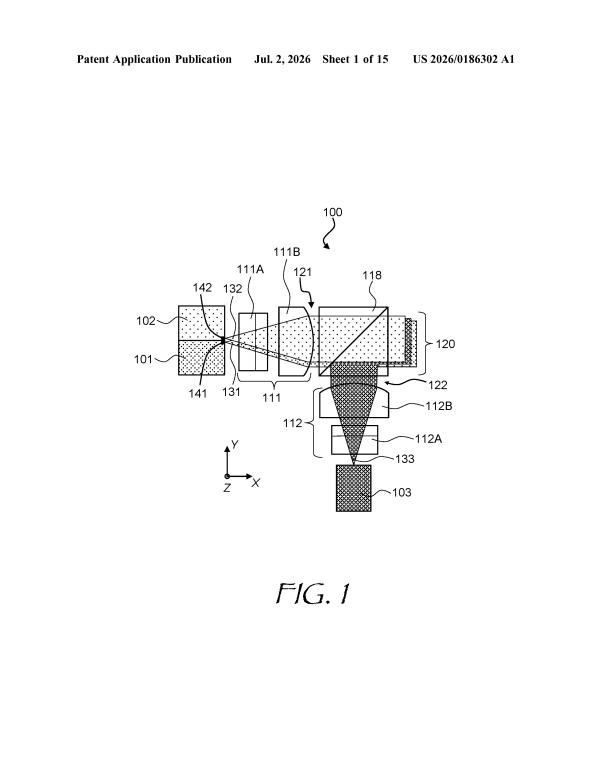
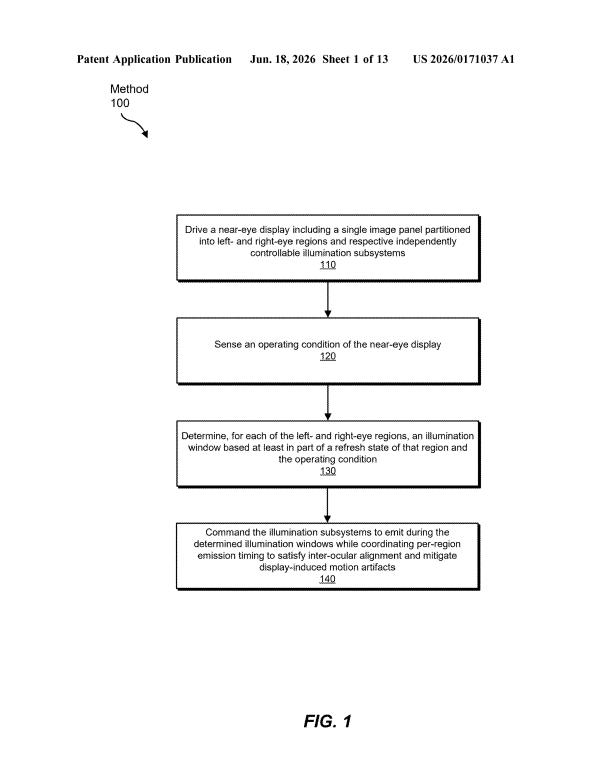
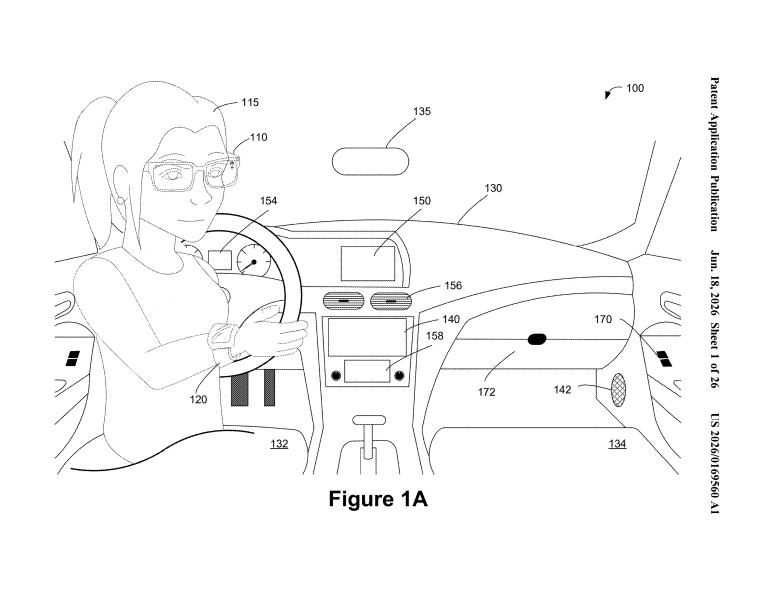
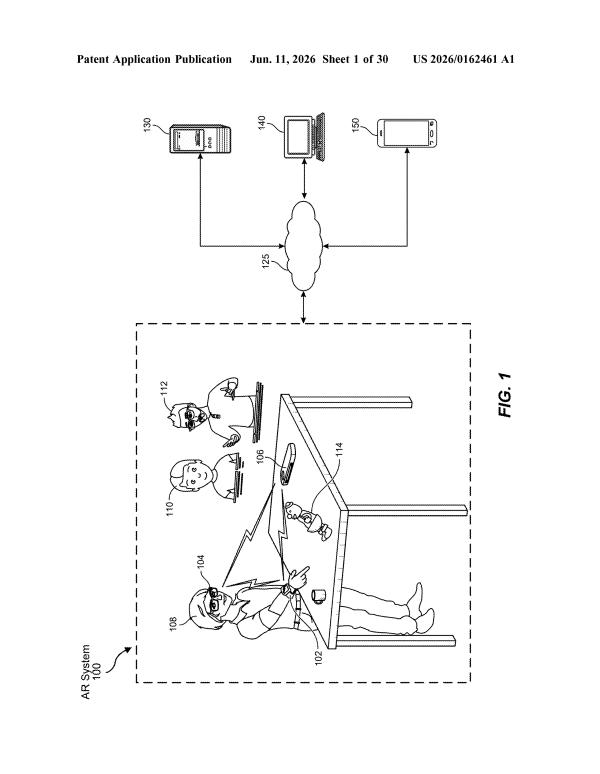
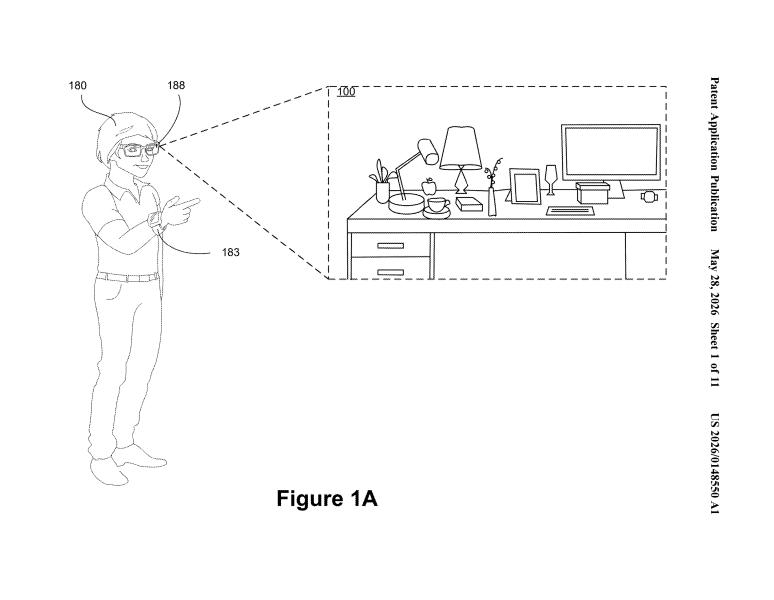
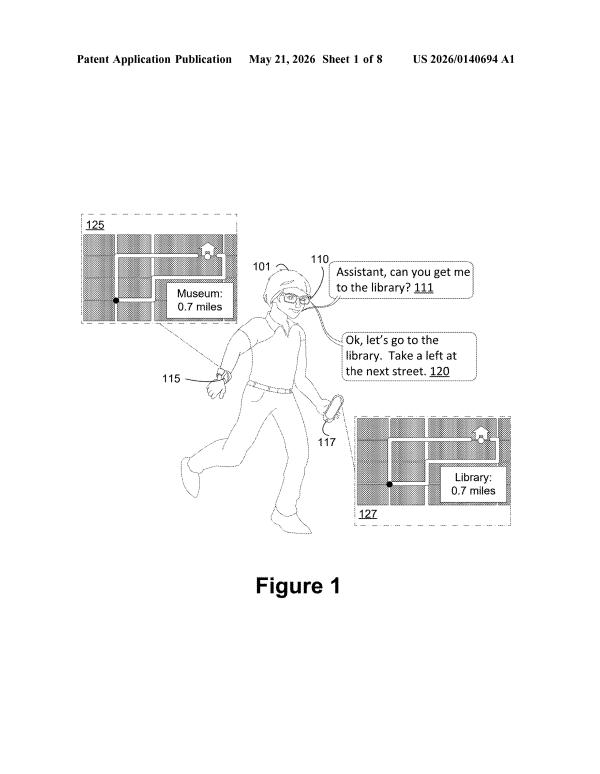
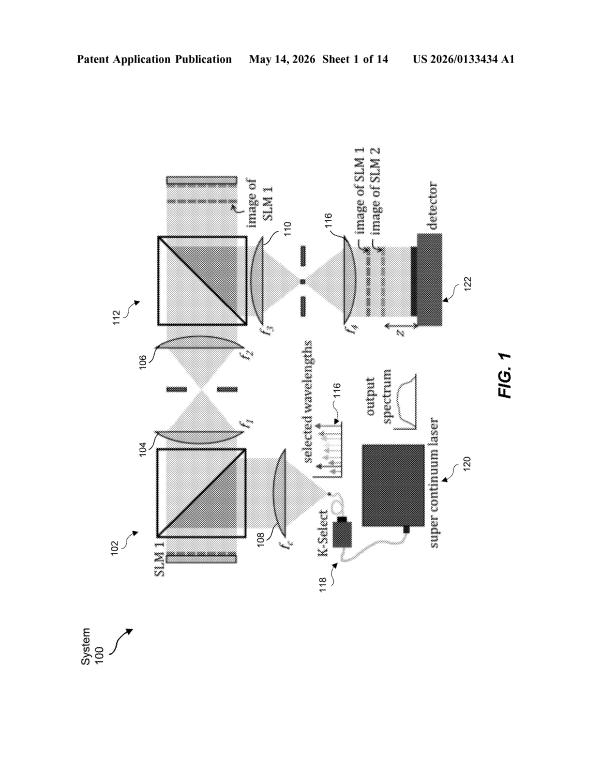
The second cluster is about deciding what you mean. One filing arbitrates which device, glasses or wristband, should answer when you say a wake word. Another asks the glasses to prompt you for clarification when it is not clear what object you are pointing at. A third patents pairing gesture and voice so the assistant reads a point and a sentence as one instruction. Display work shows up too, including multi-wavelength fixes for holographic speckle and a dual-resolution panel meant to widen field of view without full-panel cost.
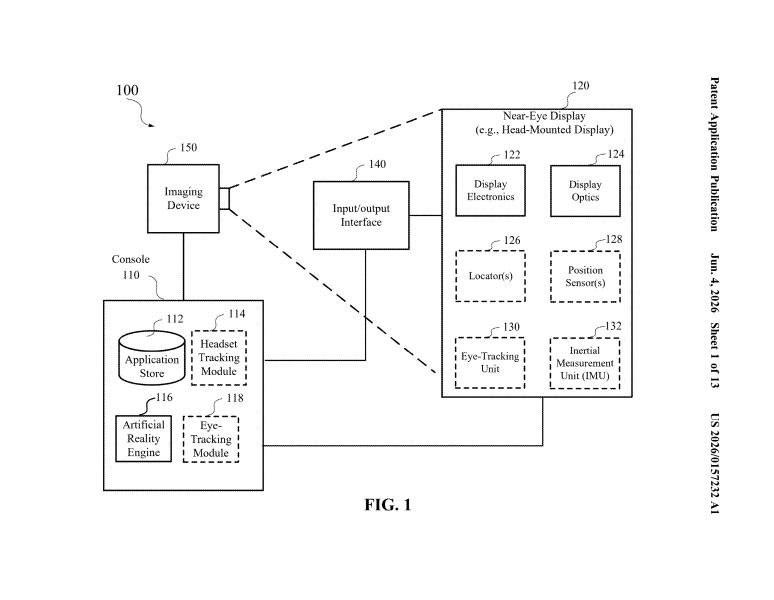
Read together, the filings describe an assistant meant to work by feel rather than by menu, using gaze, gesture, and voice as inputs it can weigh against each other. Readers should watch for filings that connect these sensing patents to actual response logic, since paperwork on disambiguation and wake word arbitration hints Meta wants a single, consistent way for glasses to decide who or what you meant. None of this confirms shipping features, only research direction.
Questions readers ask
What kinds of Meta smart glasses patents does this tracker include?
It collects Meta filings on smart glasses hardware and sensing, including camera lens shielding, hinge and nose bridge design, display alignment fixes, and systems for combining gaze, gesture, and voice into one instruction. These are patent applications, not confirmed products, so they show engineering direction rather than a shipping roadmap.
Does this mean Meta is about to release new smart glasses features?
No. Patents describe ideas a company wants to protect, not features it has committed to shipping. Several filings here, like wake word arbitration and gaze-based disambiguation, suggest research into how glasses could decide what you mean, but there is no guarantee any of it reaches a retail product.
Why do so many filings focus on the nose bridge and hinges?
AR glasses pack batteries, sensors, and displays into a frame that still has to fit comfortably and align two tiny screens correctly. Several filings put sensors and charging hardware right into the nose bridge and hinge area, since a small shift there can throw off display alignment or make the glasses hard to wear.
How does gesture and voice control fit into this storyline?
A few filings describe systems that read a gesture, like pointing, alongside a spoken command, so an assistant can figure out which object you mean without extra clarification. Related filings cover disambiguation prompts and wake word arbitration between glasses and wristbands, all aimed at making multi-signal input feel coordinated instead of confusing.