
Meta Files Patent for Wearable Tech That Learns to Shorten Typing Sequences
Typing in mid-air is slow and awkward. Meta is working on a wearable that watches you type, notices which motions you struggle with, and then offers you a shorter version of the same sequence.
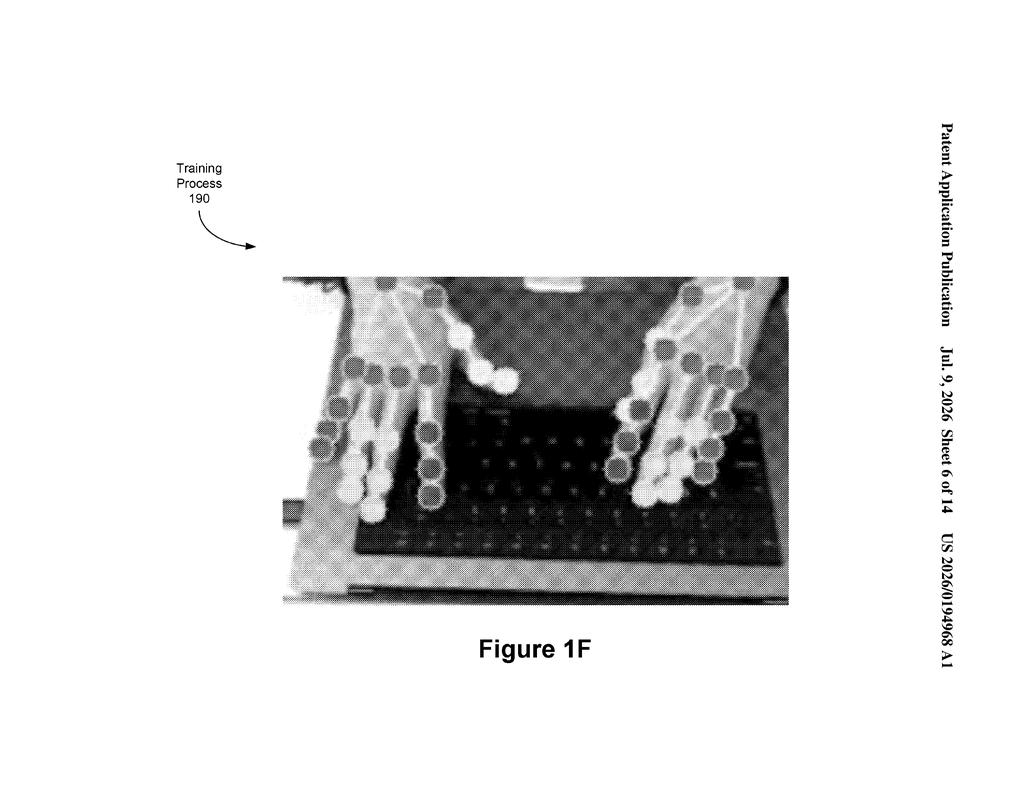
How Meta's wearable figures out your typing shortcuts
Imagine you're wearing a pair of smart glasses or a wrist sensor and trying to type a word by tapping your fingers in the air. You have to hit several specific finger positions in a specific order, and it feels clunky. Meta's patent is designed to fix exactly that problem.
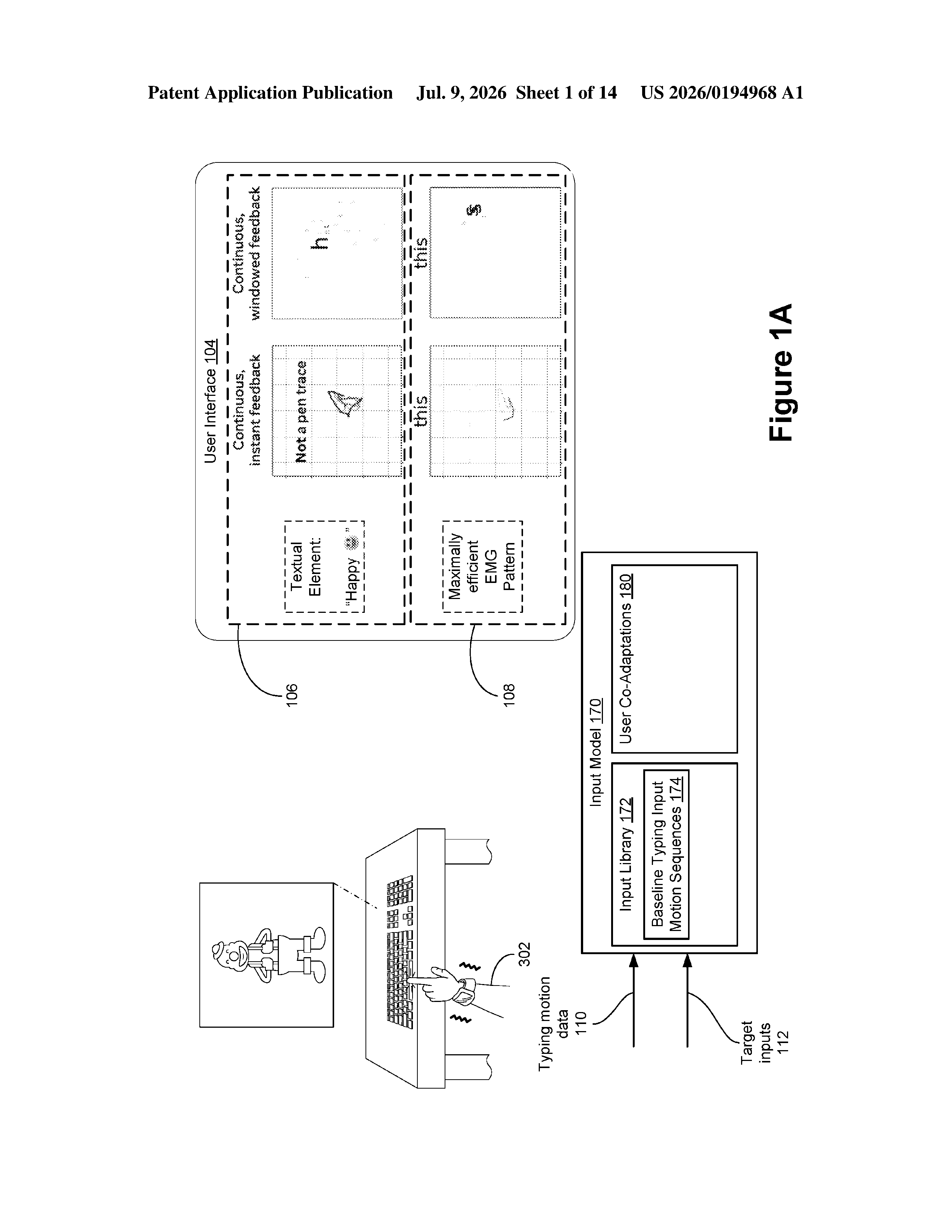
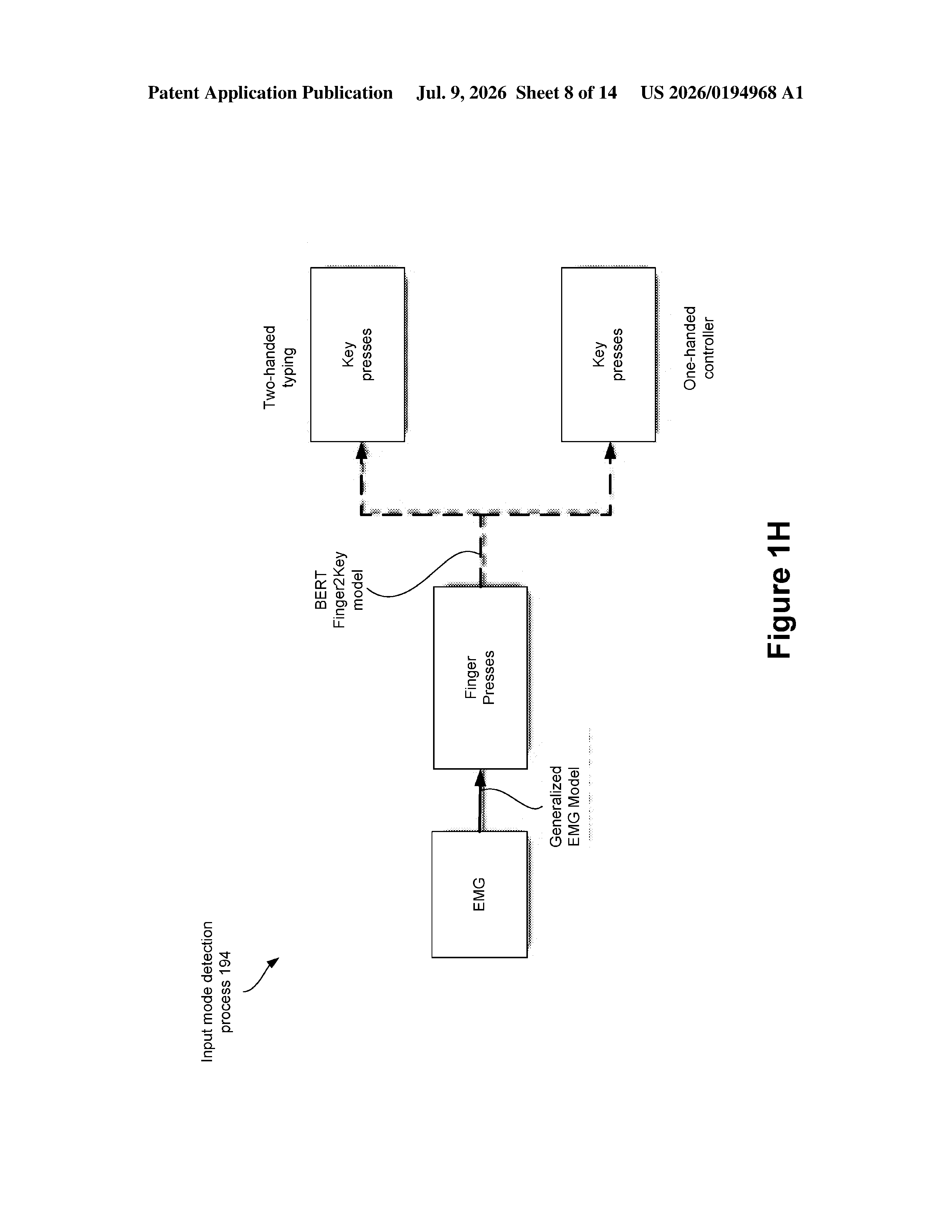
The wearable's sensors track your finger movements as you attempt a sequence of keystrokes. The system then compares what you actually did against what you were trying to type. If it notices a pattern where you're consistently struggling with a multi-step sequence, it suggests a shorter, simpler version of those same gestures that still produces the same typed result.
Think of it like autocorrect, but instead of fixing your spelling after the fact, it reroutes your finger motions before you make the error. Over time, the device essentially learns a custom shorthand for your hands.
How the system spots and suggests a shorter keystroke path
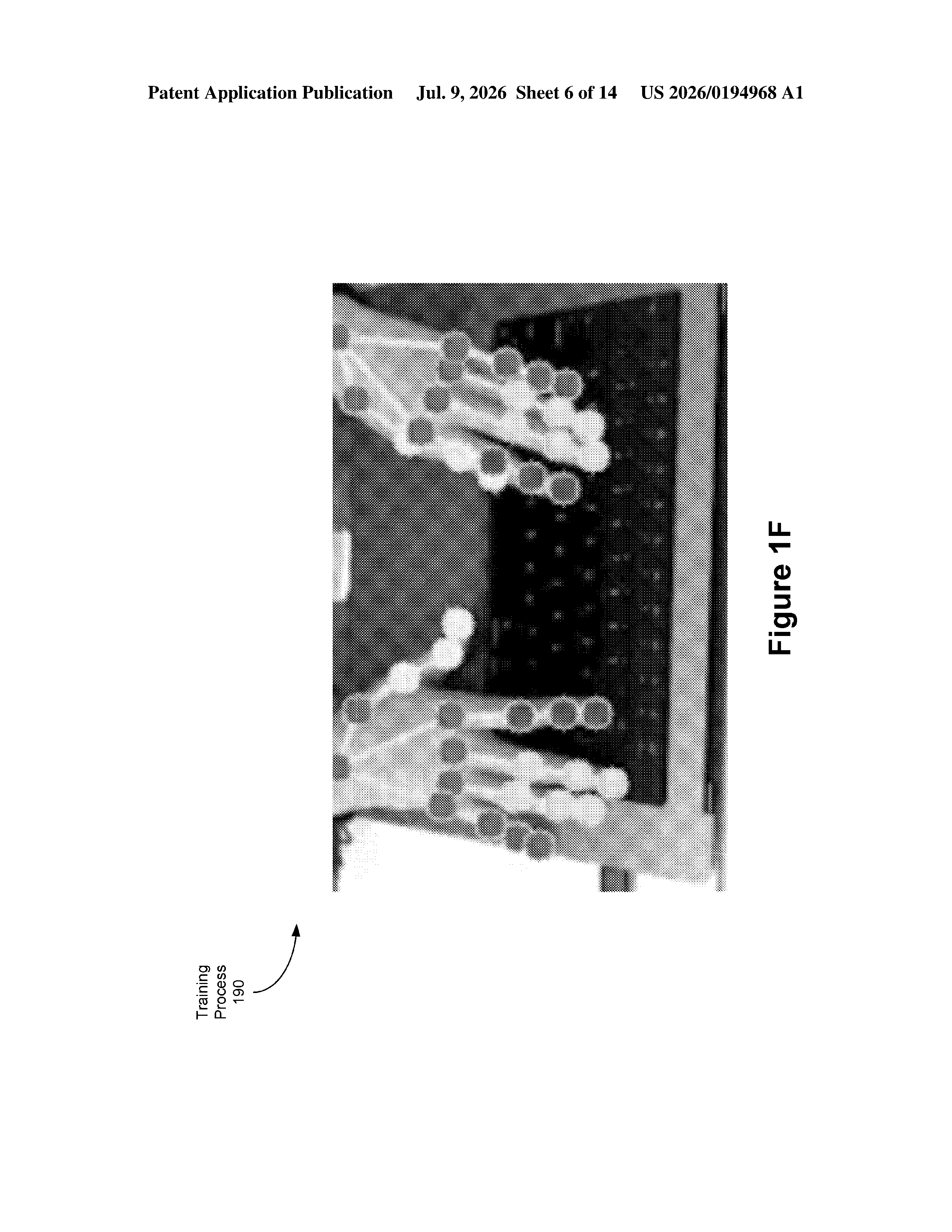
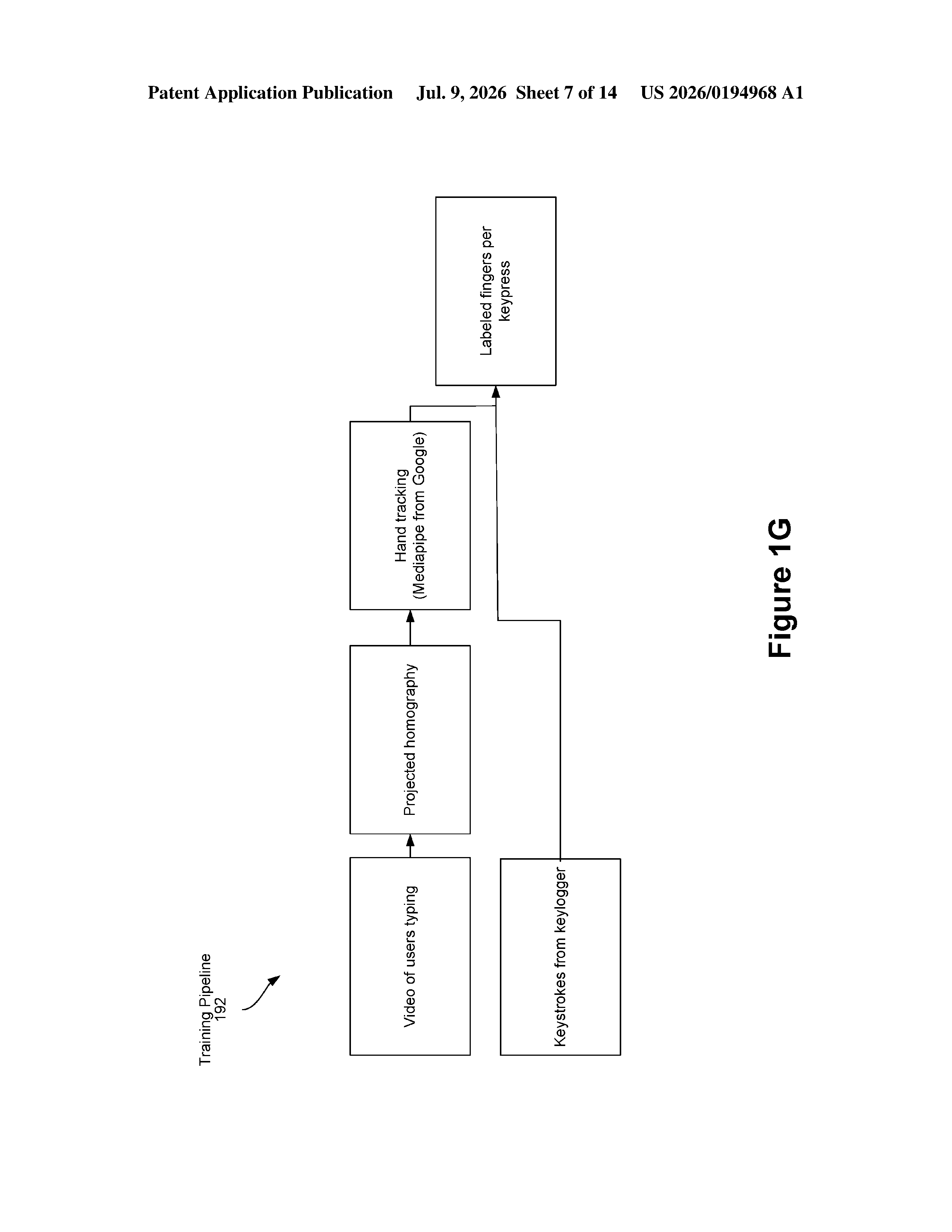
The patent describes a system built around a wearable device (most likely a wrist band or smart glasses with finger-tracking sensors) that captures fine-grained data about how your fingers move when you attempt to type.
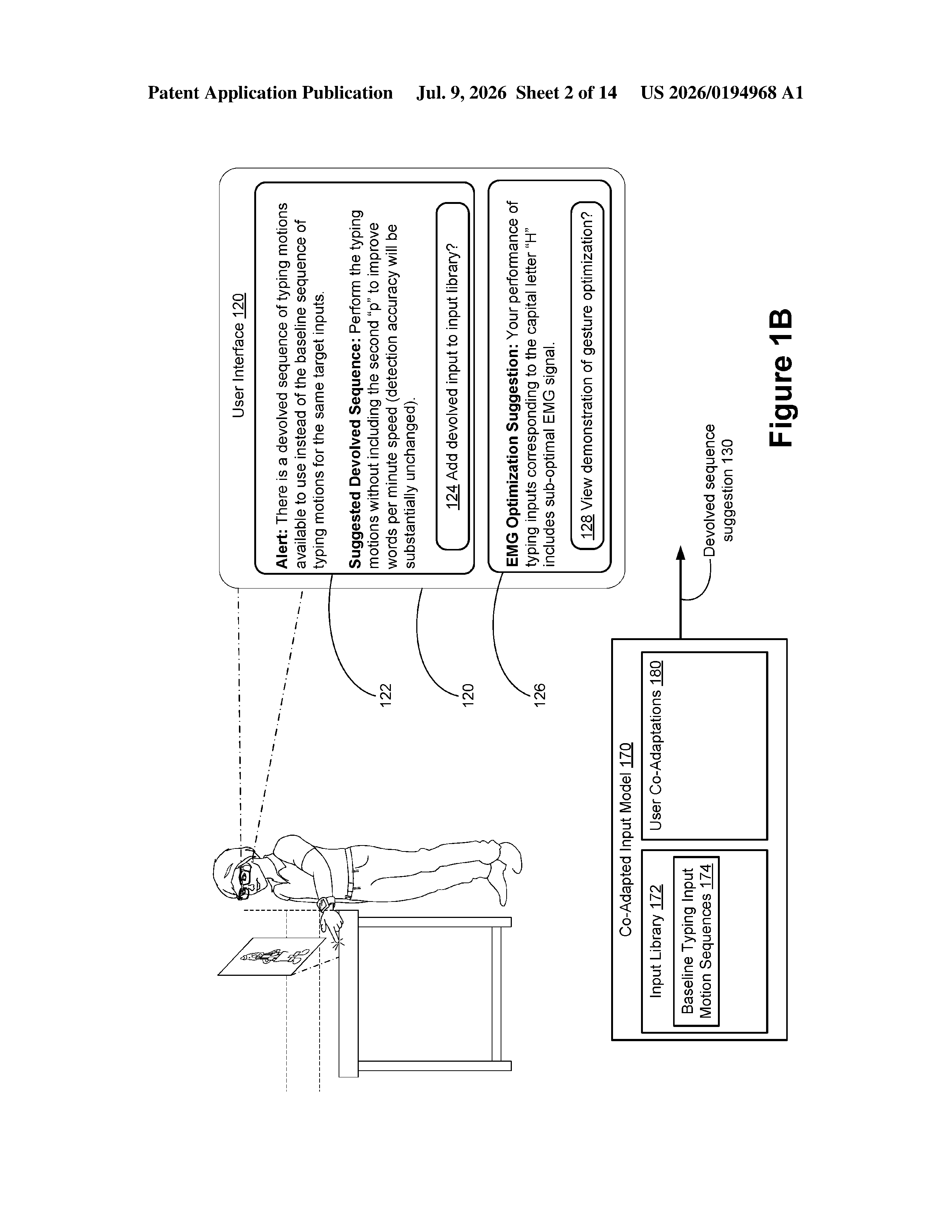
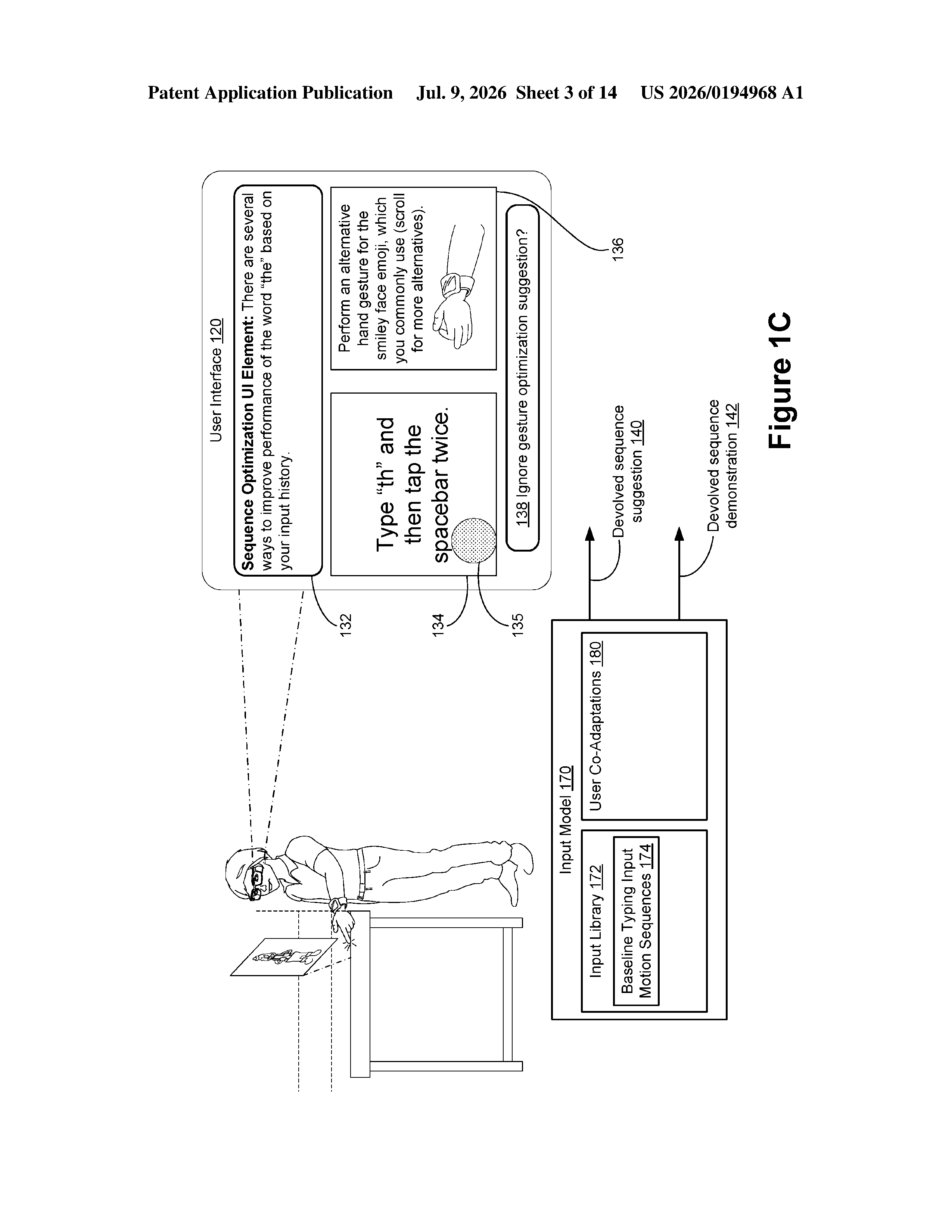
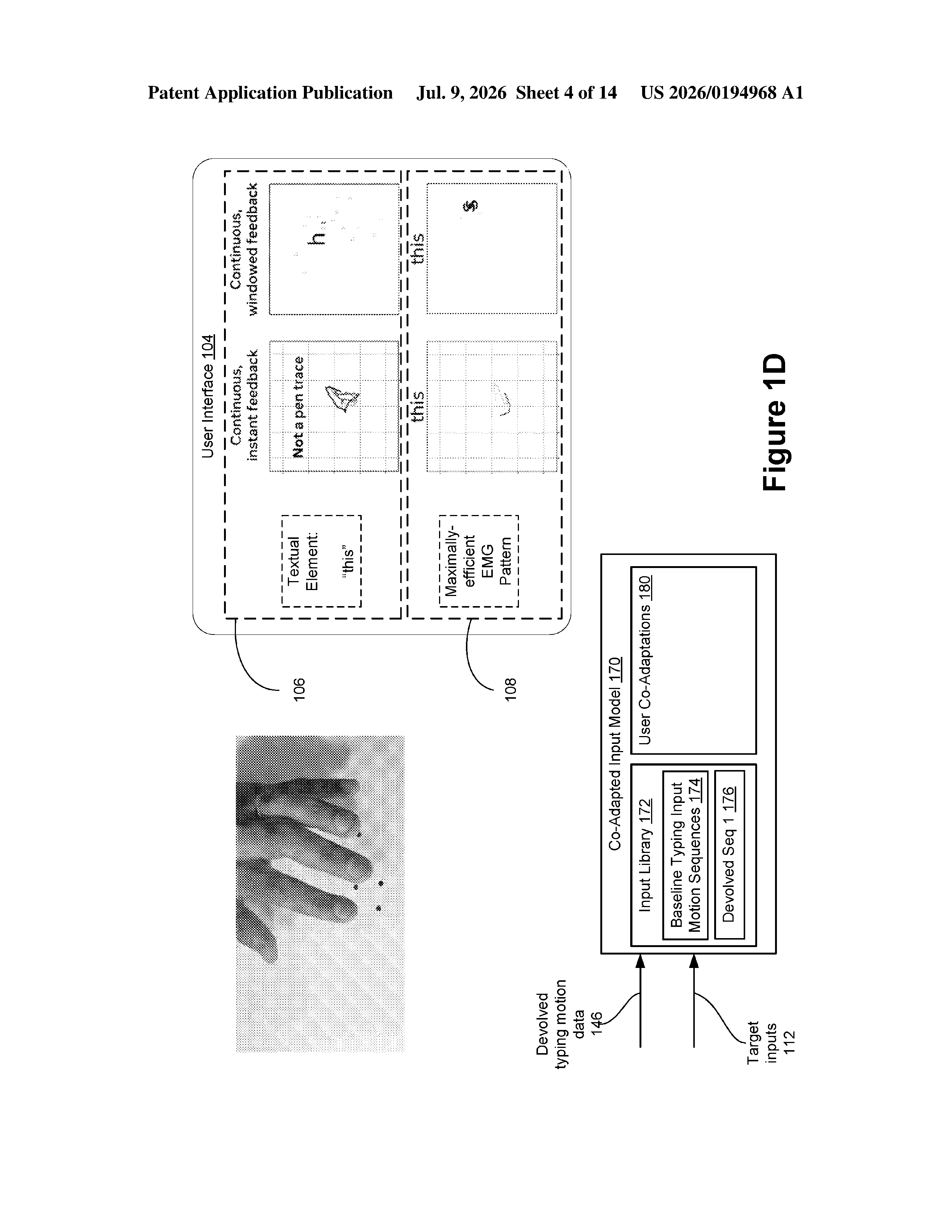
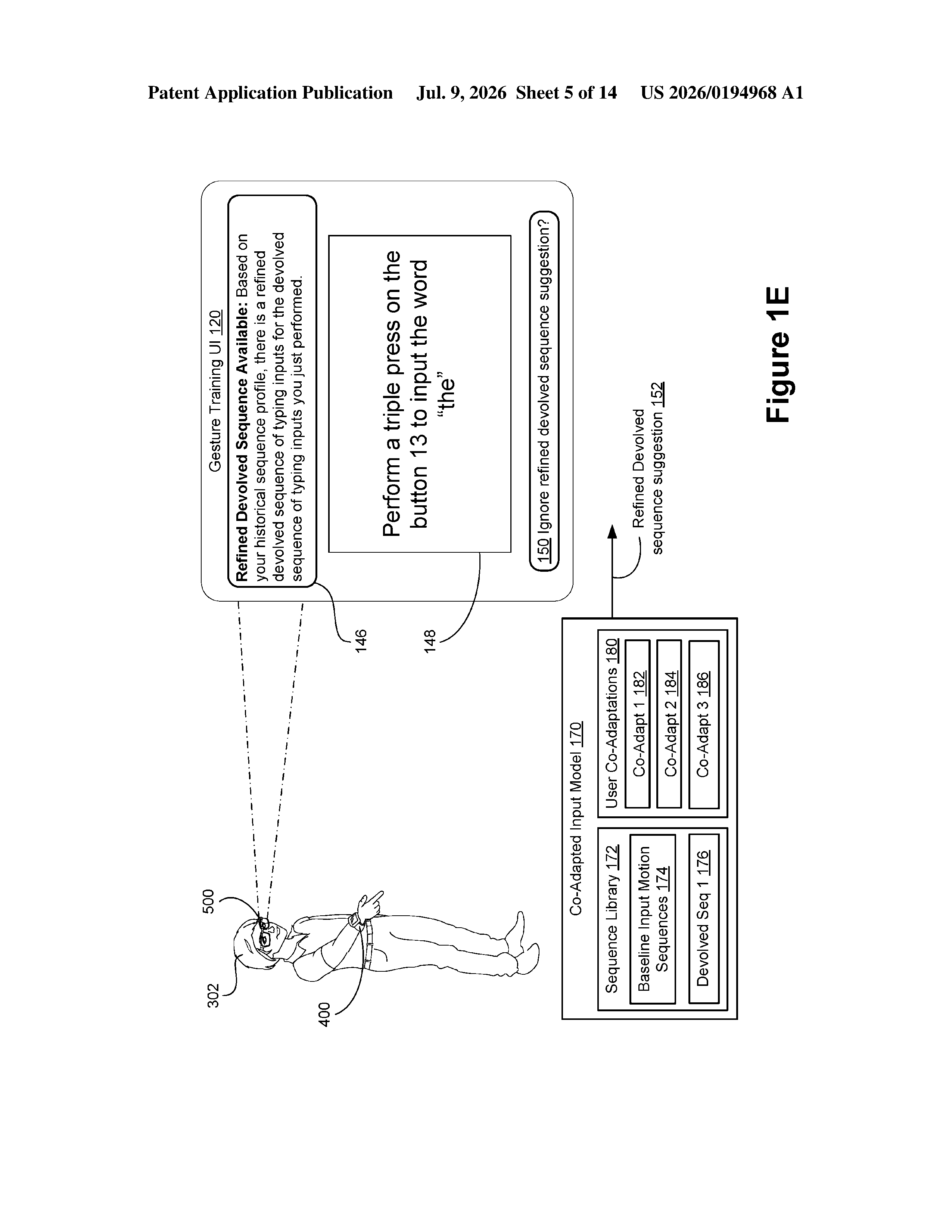
When you try to input something, the device records your keystroke gesture sequence and compares it against the target input you were aiming for. If there's a mismatch or if your sequence is unnecessarily complex, the system identifies a 'devolved' sequence (the patent's term for a shorter, simpler alternative path) that produces the same typed output with fewer finger movements.
The key steps are:
- Sensors capture your attempted typing motions in real time.
- The system identifies the gap between what you did and what you intended.
- It surfaces a simplified gesture sequence that achieves the same result with fewer moves.
- A representation of that simpler sequence is shown to the user, presumably as a visual or haptic prompt.
The phrase 'devolved sequence' is doing specific work here: it doesn't mean degraded, it means deliberately simplified. The system is essentially building a personalized typing shorthand for each user based on their actual movement patterns.
What this means for typing on AR glasses and wrist devices
Right now, typing on a wearable device, whether that's a gesture-based input on a wrist band or finger-tracking on AR glasses, is one of the biggest friction points stopping these devices from replacing a phone or laptop. If Meta can make that experience feel natural by learning and adapting to your movement style, it removes a major barrier to everyday use.
This also fits directly into Meta's push with its Ray-Ban smart glasses and rumored AR headset work. A system that makes eyes-free, hands-in-air typing practical would matter enormously to anyone who wants to interact with an AR device without pulling out a keyboard.
This is genuinely interesting work because it tackles the right problem: air-typing on wearables is currently frustrating enough that most people give up. The approach of letting the device learn shorter gesture shortcuts specific to each user is a sensible fix. Whether it works well in practice depends entirely on execution, but the concept is sound.
Get our take in your Top Stories
Liked this breakdown? Add Patentlyze as a preferred source on Google, and our plain-English take shows up more often in your Top Stories the next time Meta patent news breaks.
There are more where this came from
We read every patent application Big Tech publishes and send you the ones worth knowing. Plain English, free, every week.
The drawings
14 drawing sheets from US 2026/0194968 A1 · click any drawing to enlarge
Want this weekly breakdown for a company we don't cover? Patentlyze Pro →