
Meta Patent Turns Wrist Muscle Signals Into Typed Text Without a Keyboard
What if you could type by writing in the air with your finger, and your wristband figured out what you meant before your hand even stopped moving? That's the core idea in Meta's latest wearable patent.
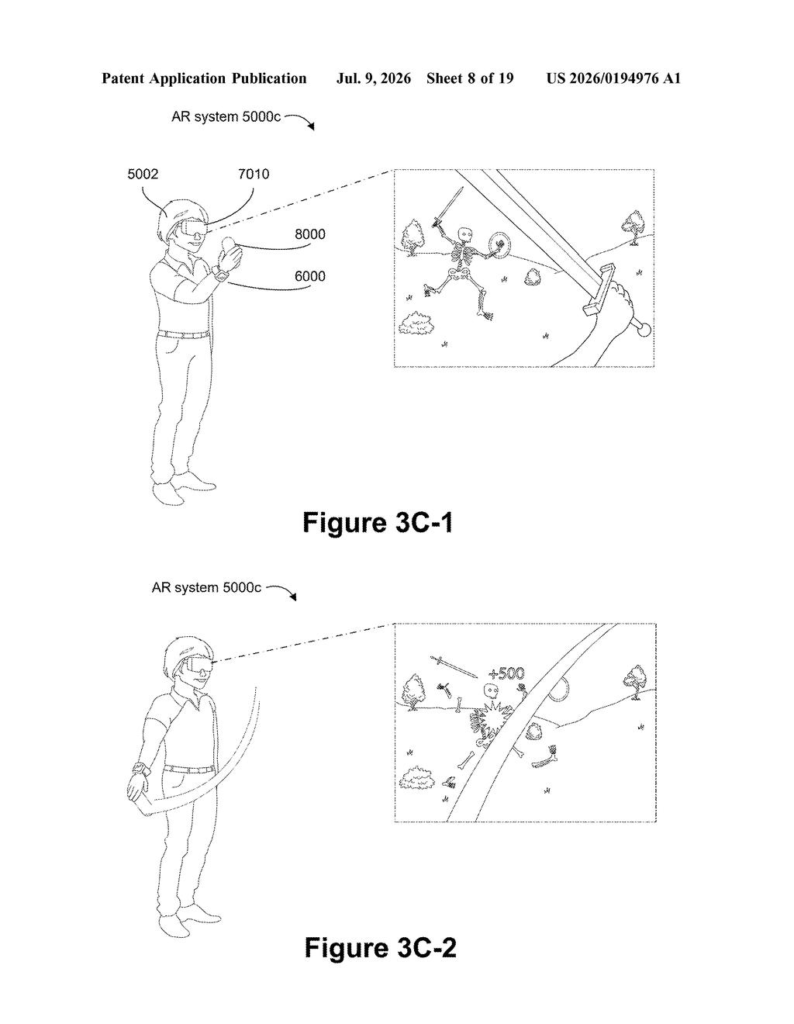
How Meta's wristband reads handwriting from your muscles
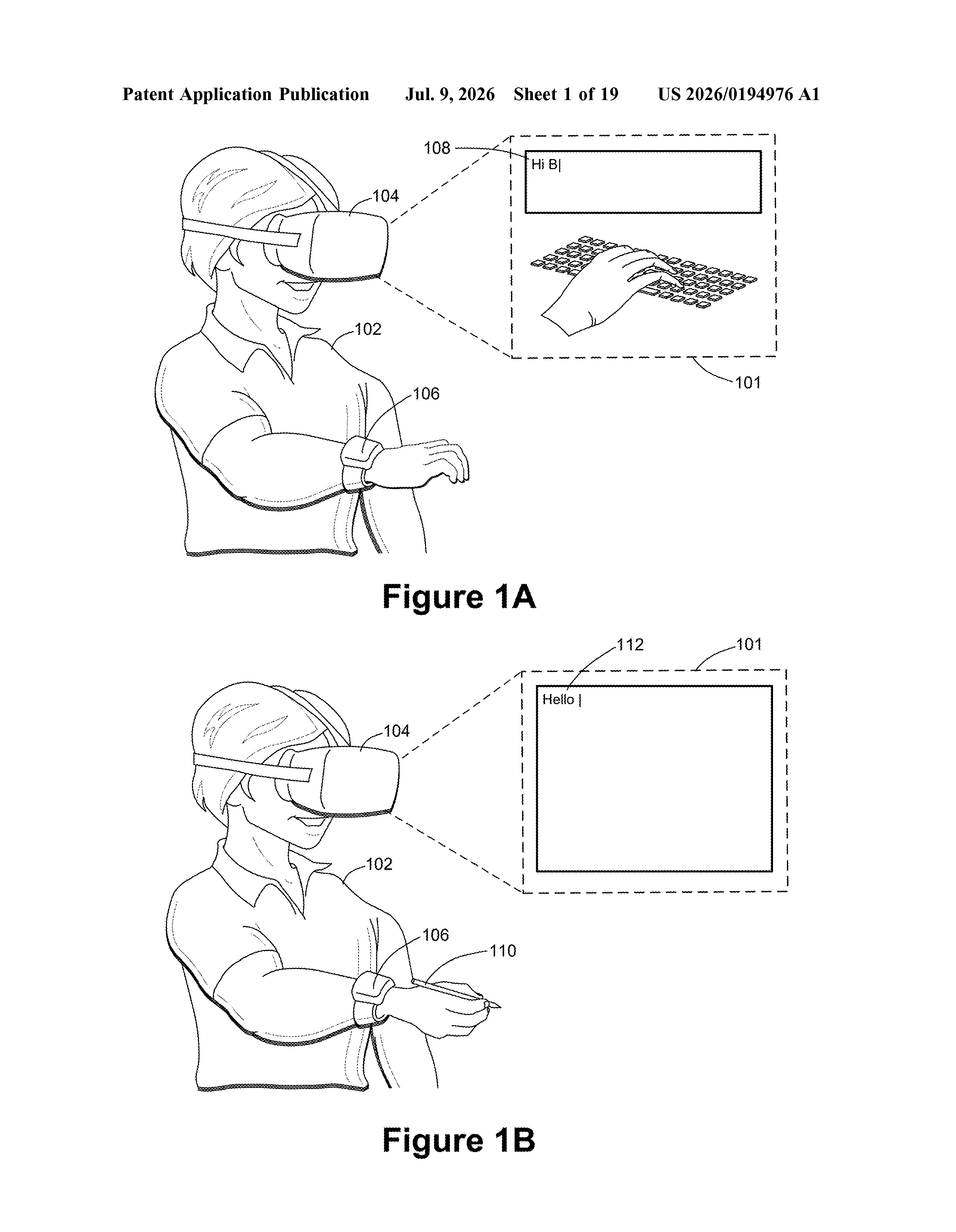
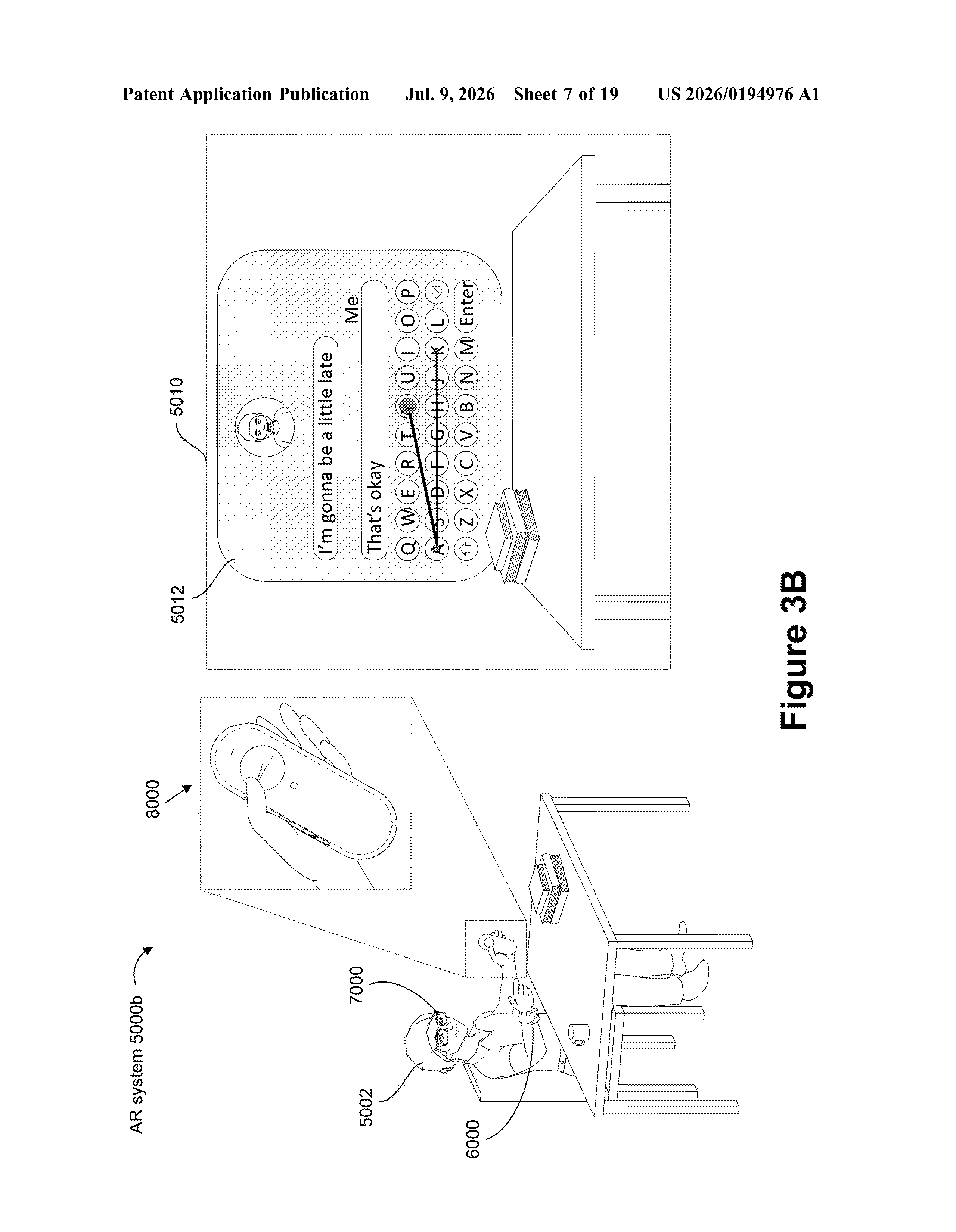
Imagine writing the letter "A" on a table with your fingertip. Your wrist muscles fire in a specific pattern to make that motion. Meta's patent describes a wristband that picks up those muscle signals and, using an AI language model, figures out which letters or words you intended to write, then displays the result on a screen in real time.
You don't need a keyboard, a touchscreen, or even a surface. The wristband reads the electrical activity in your wrist as you gesture, and the software turns those signals into text. The display updates as you write, so you can see the recognized words while your hand is still moving.
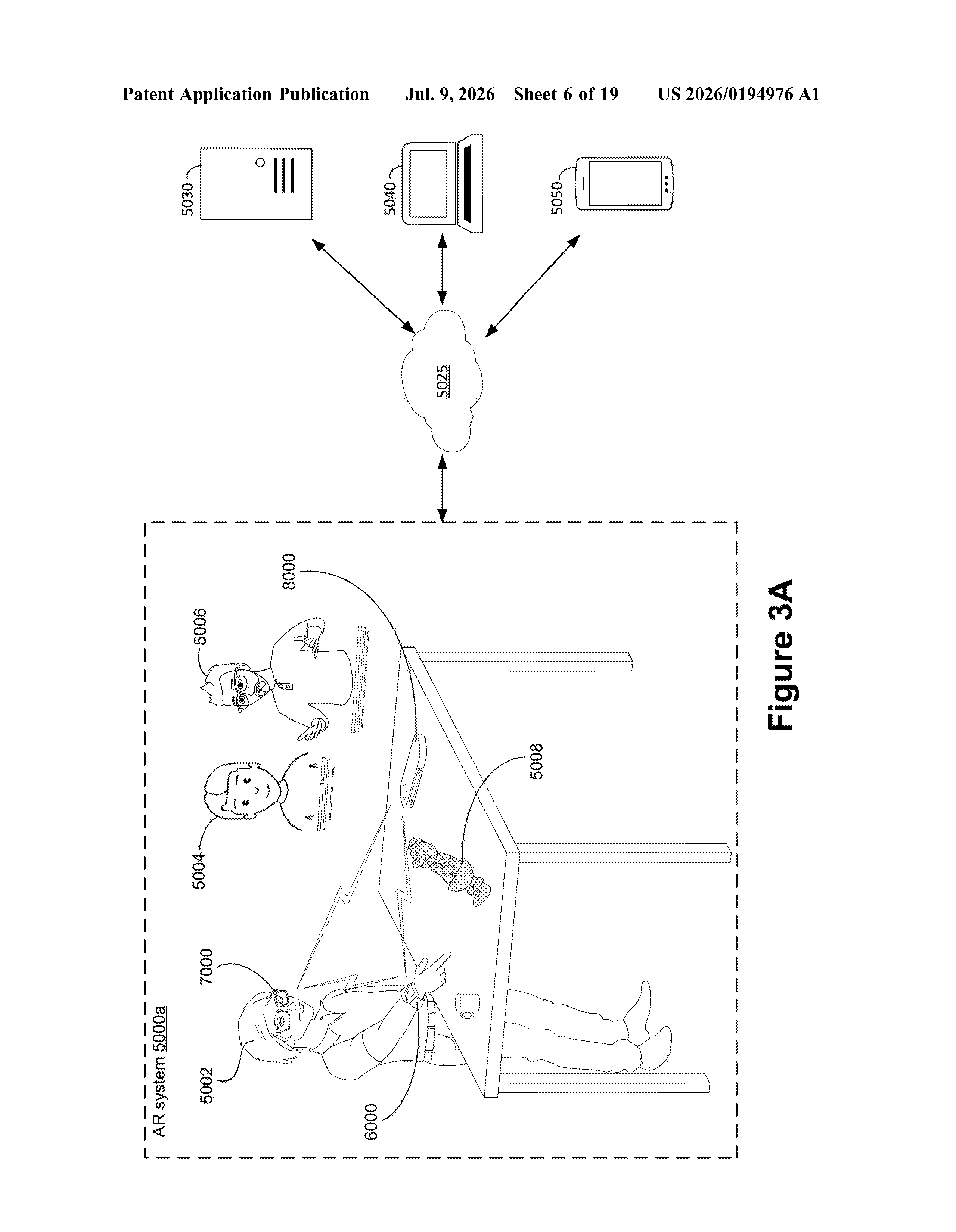
This fits squarely into Meta's push toward augmented-reality glasses, where typing on a keyboard isn't an option and voice input isn't always practical. A wristband that silently reads your handwriting gestures could be a core input method for whatever AR headset or smart glasses Meta ships next.
How the sensor-to-language-model pipeline works
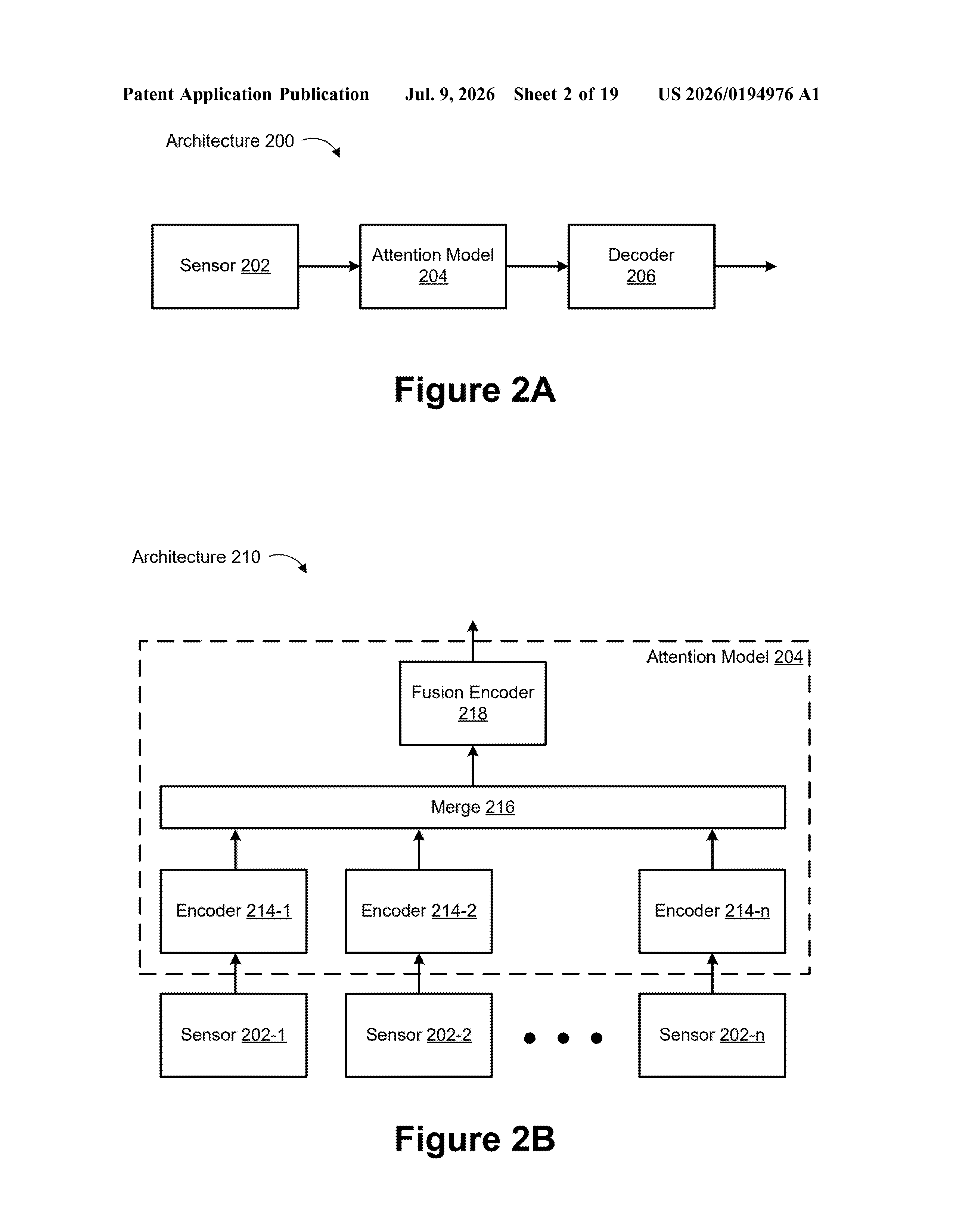
The patent describes a system built around neuromuscular signal sensors (sometimes called EMG, or electromyography sensors) embedded in a wearable worn on the wrist or forearm. These sensors detect the tiny electrical signals your muscles produce when you move your fingers or hand.
The pipeline works in three steps:
- Capture: The wearable records neuromuscular data as the user performs a hand gesture, such as writing a letter or word in the air or on a surface.
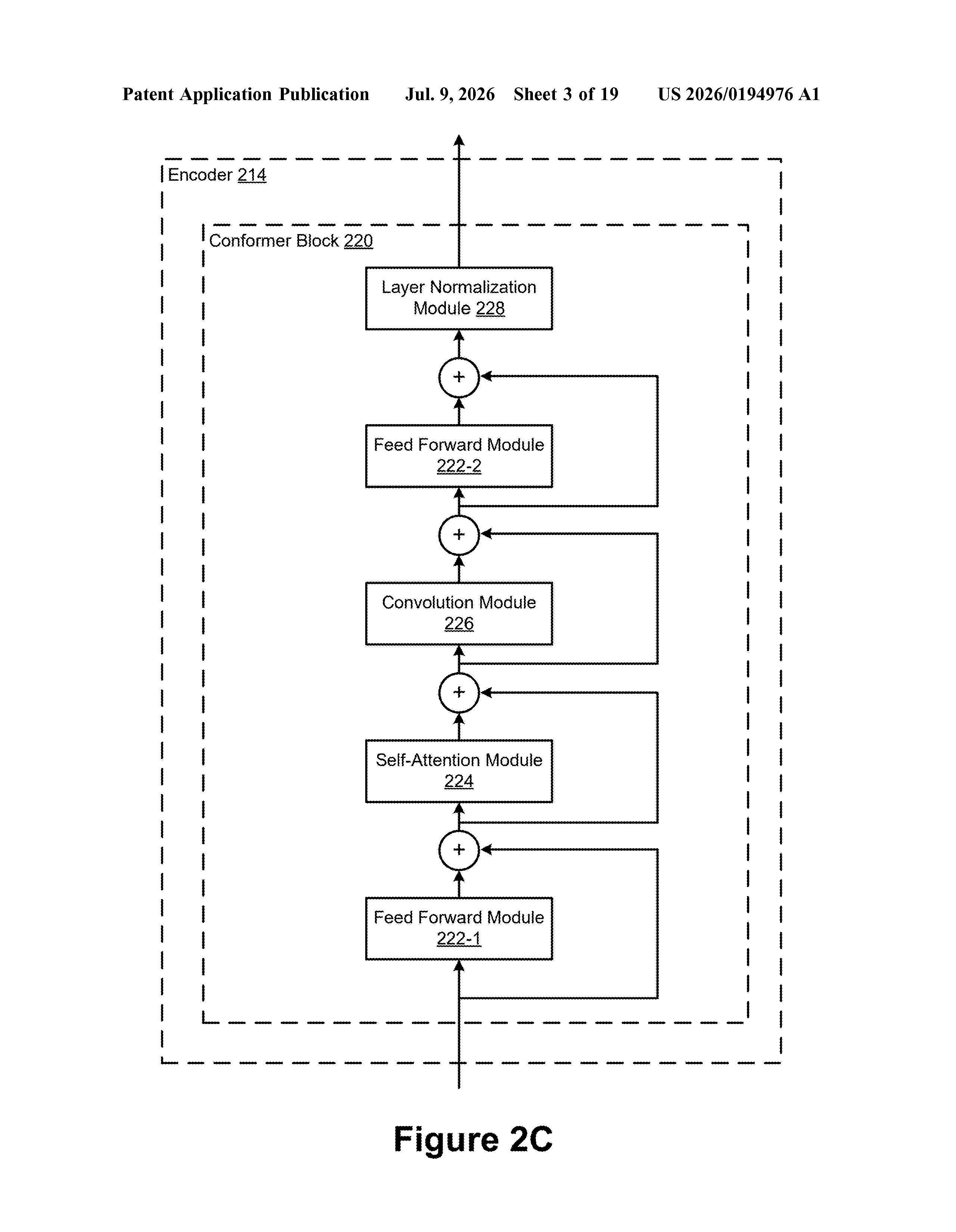
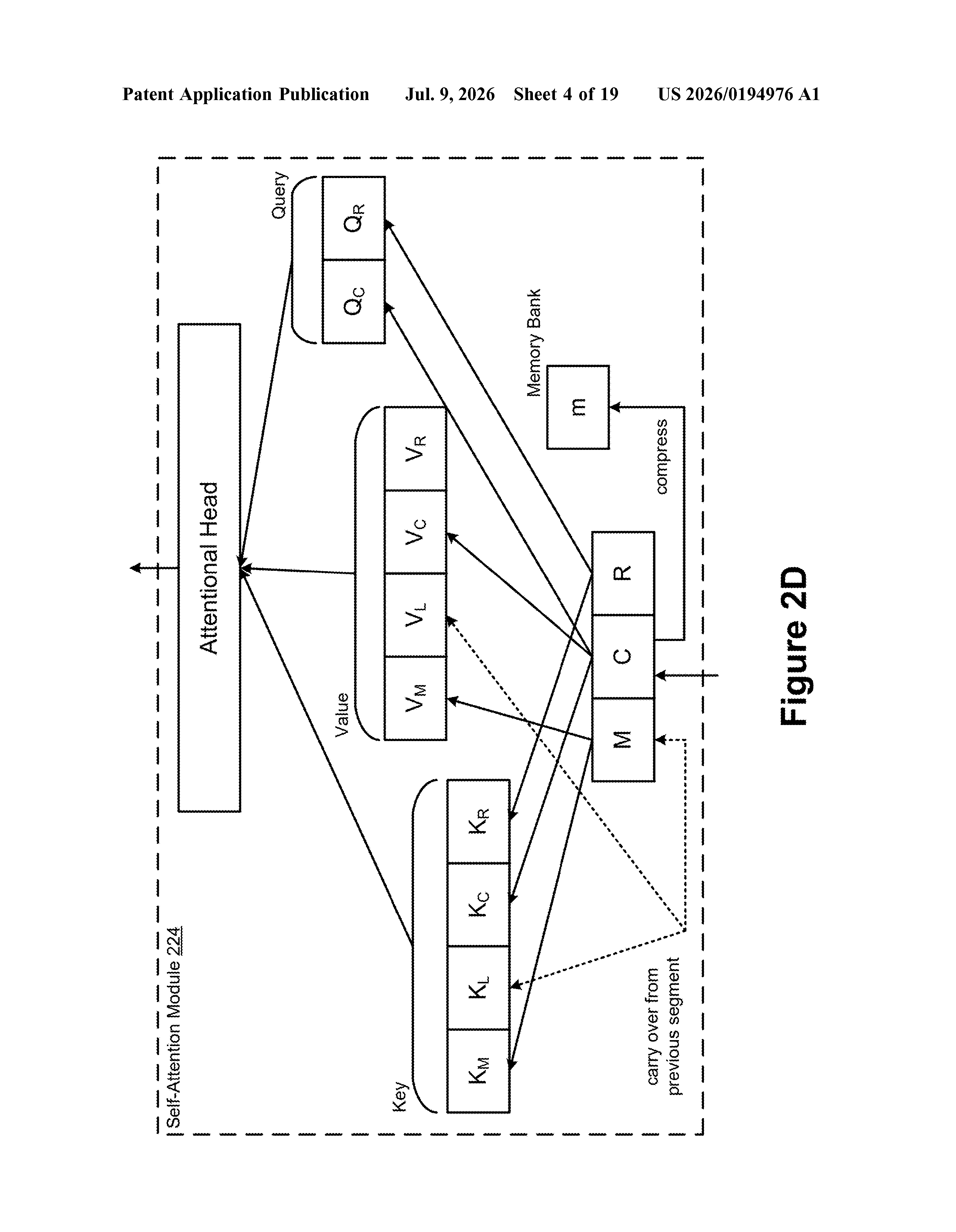
- Encode: One or more encoder models compress and translate that raw muscle-signal data into a compact mathematical representation, called an encoding, that an AI can interpret.
- Recognize: A language model (the same class of AI that powers tools like ChatGPT) takes those encodings and infers which terms or words the user was trying to write, drawing on knowledge of how language works to fill in ambiguities.
The recognized text is displayed to the user during the gesture, not after it finishes. That real-time feedback loop is significant: it means the system behaves more like a live keyboard than a transcription service that processes your input after the fact.
What this means for typing in AR glasses and beyond
The most obvious application is input for AR glasses or mixed-reality headsets, where there's no physical keyboard and voice commands are socially awkward in public. If a wristband can reliably translate wrist muscle signals into text, it becomes a quiet, private way to type wherever you are. Meta has already shipped an EMG-based wristband prototype called the Neural Interface alongside its Ray-Ban smart glasses work, so this patent sits directly in that product line's roadmap.
For you as a user, the promise is input that feels natural without requiring you to carry anything extra or speak out loud. The challenge, historically, has been accuracy: muscle signals are noisy and vary between people. Using a language model to interpret the encodings (rather than a simpler pattern-matcher) is the bet here, since language context can help the system pick the most likely word even when the raw signal is ambiguous.
This is one of the more concrete wearable-input patents Meta has published, and it directly addresses the biggest unsolved problem in AR: how do you type when there's no keyboard? The inclusion of a language model in the recognition step is a smart architectural choice, since it lets the system lean on word-level probability when the muscle signals are uncertain. Whether the accuracy is good enough for real-world use is the question patent filings can't answer, but the direction is clearly right.
Get our take in your Top Stories
Liked this breakdown? Add Patentlyze as a preferred source on Google, and our plain-English take shows up more often in your Top Stories the next time Meta patent news breaks.
There are more where this came from
We read every patent application Big Tech publishes and send you the ones worth knowing. Plain English, free, every week.
The drawings
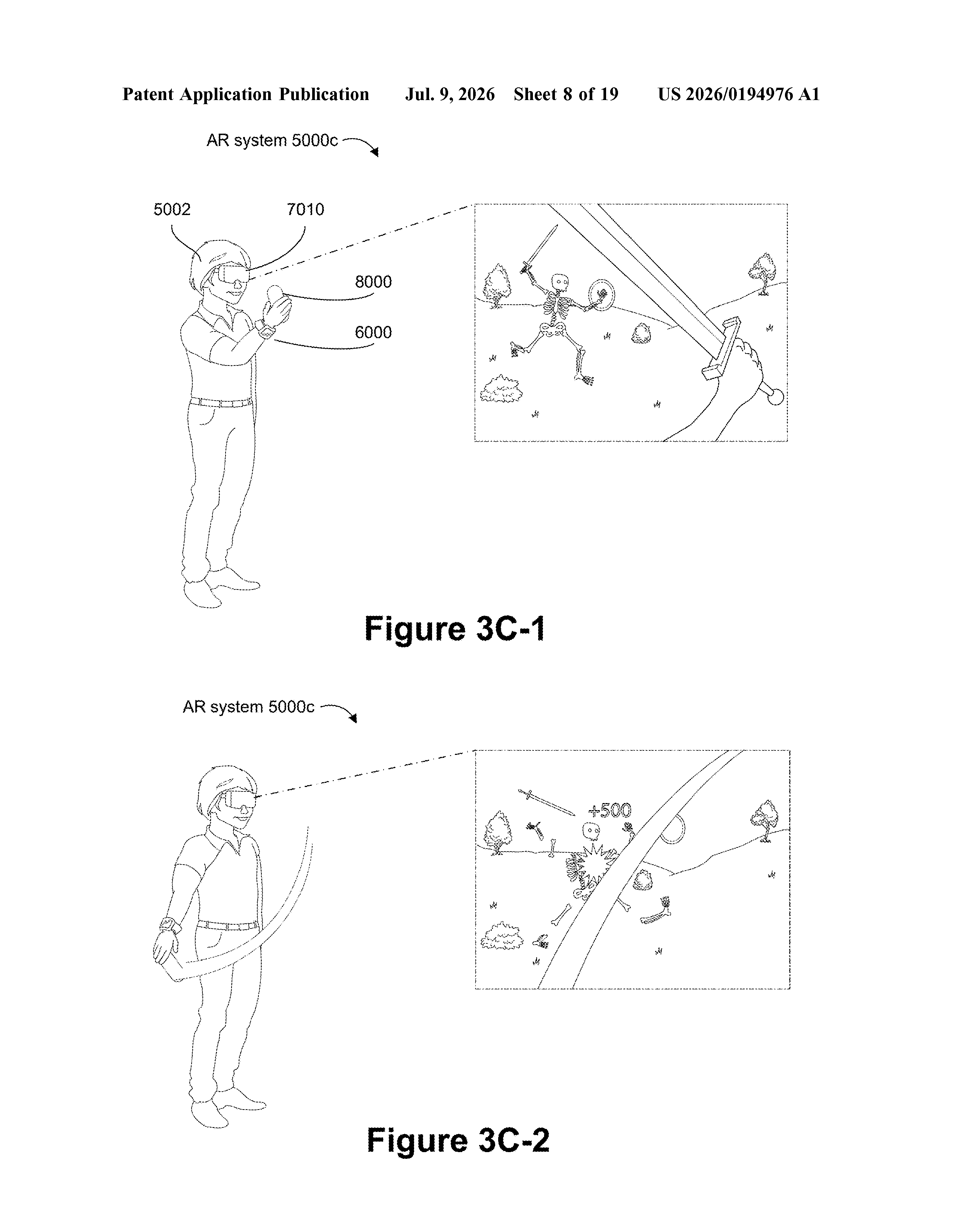
19 drawing sheets from US 2026/0194976 A1 · click any drawing to enlarge
Want this weekly breakdown for a company we don't cover? Patentlyze Pro →