
Intel Patents Screen Technology That Controls Each Tiny Light Dot Individually
Micro-LED screens are widely considered the next big leap in display quality — but getting each tiny light to behave precisely is genuinely hard. Intel's new patent tackles exactly that, with a two-layer driver system designed to control brightness at the individual pixel level.
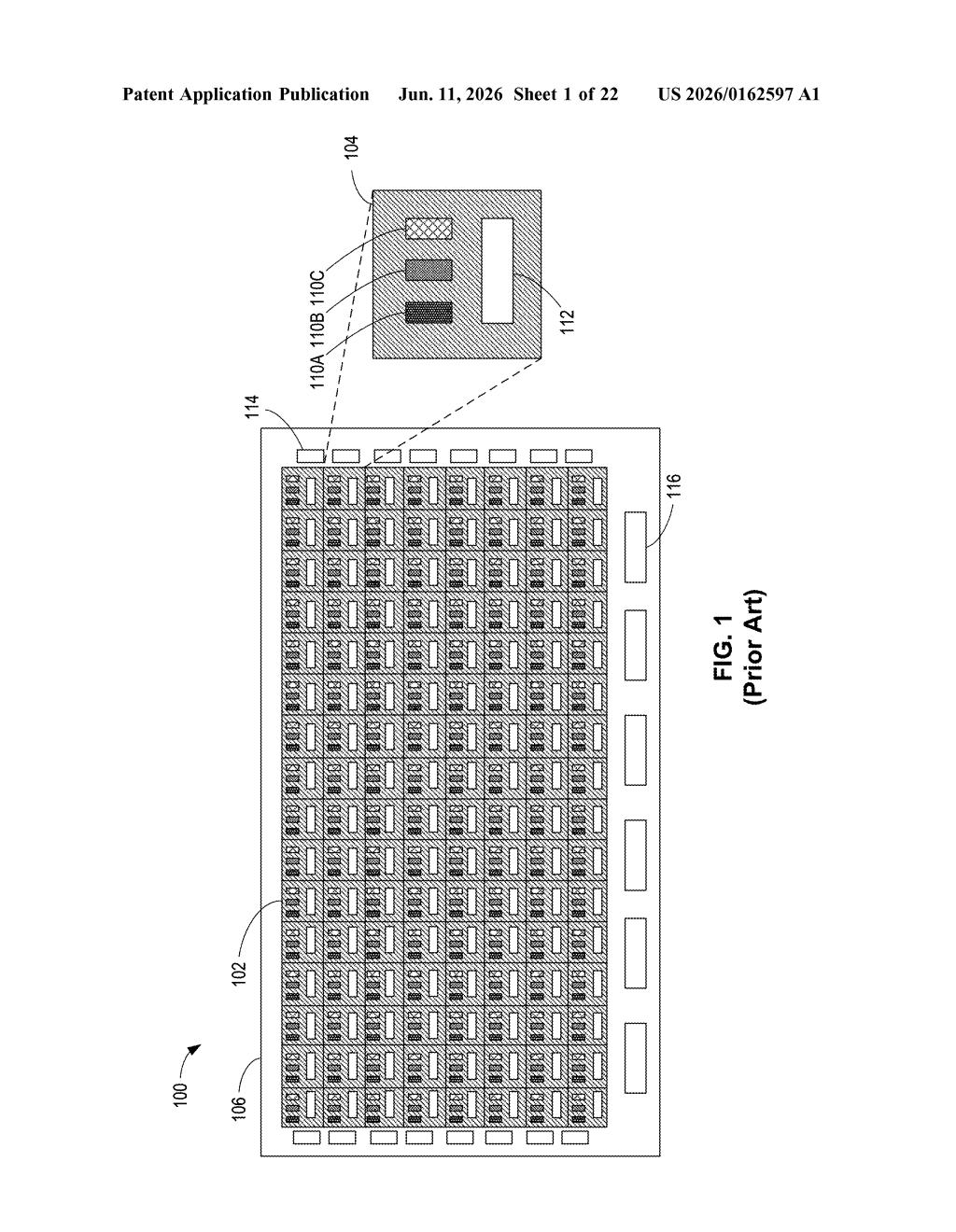
What Intel's micro-LED brightness control actually does
Imagine a display made up of millions of microscopic light bulbs, each one needing to turn on, dim, or switch off at exactly the right moment to produce a perfect picture. That's the engineering challenge at the heart of micro-LED screens — and it's trickier than it sounds.
Intel's patent describes a control system that splits the job between two types of circuits working together. One circuit acts like a traffic director, scanning across rows of pixels and telling each one when it's their turn. A second circuit handles how bright each pixel should be by chopping the power signal on and off very rapidly — a technique called pulse width modulation, or PWM, which is essentially how a dimmer switch works on your living room lights.
A third piece of the puzzle supplies a steady, fixed current to the pixels so brightness stays consistent. Together, the three components give the display precise, reliable control over every dot of light on the screen.
How Intel's dual-driver circuit manages each pixel
The patent describes a three-part hardware architecture for driving a micro-LED matrix — a grid of extremely small LEDs that each act as their own light source, unlike traditional LCD panels that rely on a backlight.
- Pixel driver circuits sit closest to the individual LEDs. Each one receives two signals: a select signal (which tells it when its row is being addressed, like a roll call) and a PWM signal (which controls how long the LED stays on within each refresh cycle — longer on-time means a brighter pixel).
- A current driver circuit feeds a fixed, stable current to the LEDs. Keeping current constant prevents brightness from drifting, which is a known reliability problem with LED-based displays.
- A PWM data driver circuit generates the gray-level bit data — essentially the numerical brightness value for each column of pixels — and feeds that information into the pixel driver layer.
The separation of duties between these layers is the core design choice. By isolating the brightness-data generation, current supply, and pixel-level switching into distinct circuits, Intel's approach aims to make the display easier to control accurately and at scale.
What this means for micro-LED's road to mainstream screens
Micro-LED displays promise deeper blacks, higher peak brightness, and lower power consumption than both OLED and LCD — but manufacturing and driving them reliably at consumer scale has been an industry-wide bottleneck. A cleaner driver architecture like this one could make it easier to build larger, higher-resolution micro-LED panels without the brightness uniformity problems that have plagued early implementations.
For you as a future buyer, that could mean micro-LED TVs, monitors, or AR headsets that are more consistent and less expensive to produce. Intel is primarily a chip and platform company, so this filing suggests they're positioning driver-IC technology as part of their display or PC platform ambitions — though the patent itself doesn't name a specific product.
This is solidly unglamorous display-engineering work — the kind of circuit-architecture patent that rarely makes headlines but quietly determines whether a next-generation screen technology actually ships at scale. Micro-LED has been 'almost ready' for years; patents like this one are part of the slow, necessary grind to get there. Worth a note if you follow display tech or Intel's hardware roadmap.
There are more where this came from
We read every patent application Big Tech publishes and send you the ones worth knowing. Plain English, free, every week.
Want this weekly breakdown for a company we don't cover? Patentlyze Pro →