
Samsung Display Patents a Layered Pixel Architecture for Next-Gen Screens
Samsung Display is patenting a precise construction method for individual display pixels — one that carefully controls where insulating layers begin and end at the boundaries between pixels.
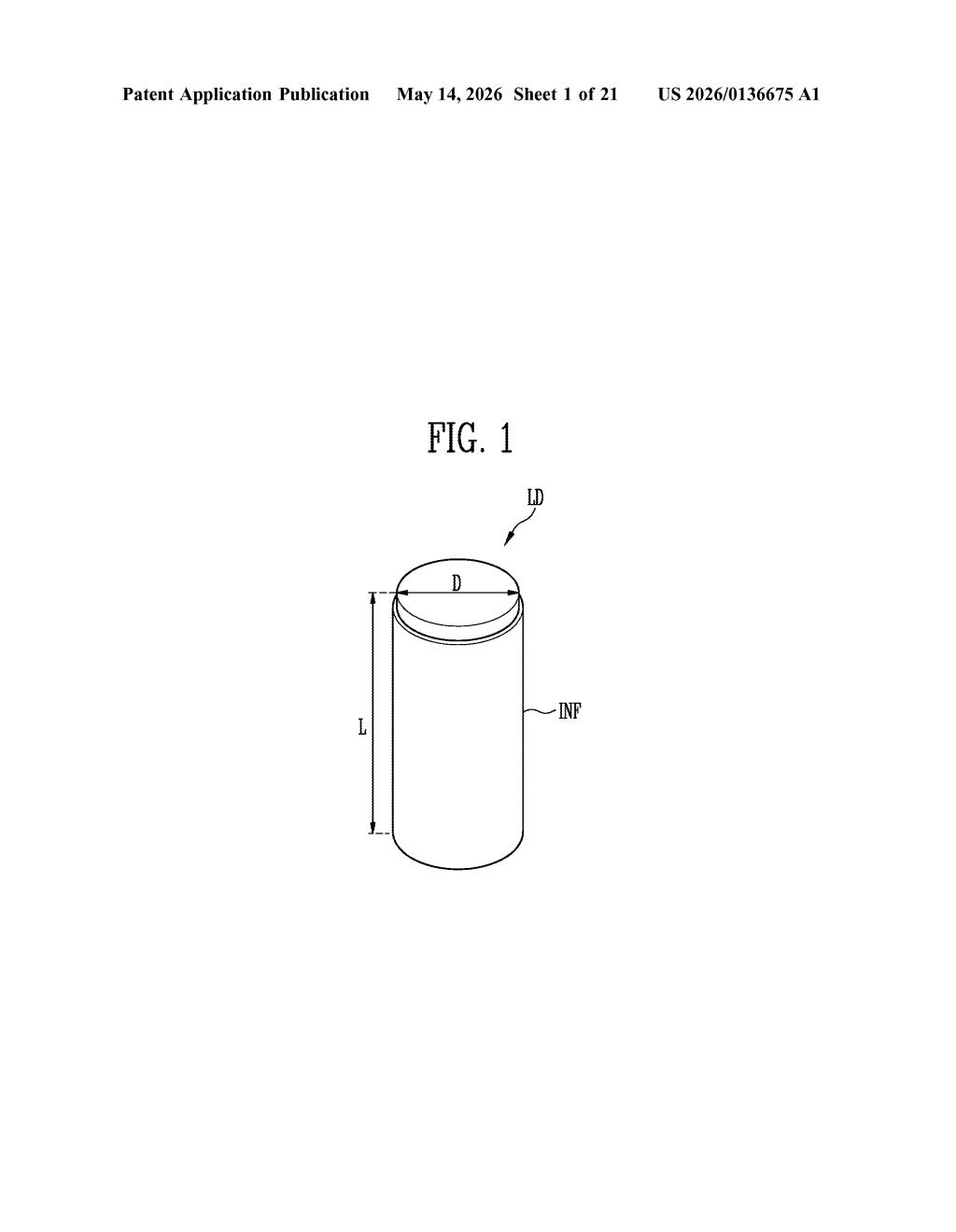
What Samsung's multi-layer pixel structure actually does
Imagine each pixel on a screen is a tiny light-up tile. For the tiles to look sharp and not bleed light into each other, there need to be very precise walls and gaps between them. That's essentially what this patent is about.
Samsung Display has filed a patent describing a specific way to build those walls — called banks — and the insulating layers that sit beneath the light-emitting elements in each pixel. The key detail is that both insulating layers have carefully placed openings that align with the gaps between pixels, which helps isolate each pixel cleanly.
The manufacturing process is also notable: it uses a single patterned layer to simultaneously clean up leftover material and trim the electrodes underneath. Think of it like a stencil that does two jobs at once, reducing steps and potential errors in production.
How Samsung's bank and insulation patterning process works
The patent describes both a display device structure and a manufacturing method for building it. Each pixel consists of several stacked layers on a base substrate:
- Electrodes on the base layer that supply current to each pixel
- A first insulating layer sitting on top of the electrodes
- A light emitting element (likely a micro-LED or similar device) on the first insulating layer
- A bank — a physical wall that protrudes upward to separate pixels — also on the first insulating layer
- A second insulating layer that covers parts of the structure
The structural innovation is that both the first and second insulating layers have aligned openings that correspond to the open gaps between adjacent pixel electrodes. This precise alignment helps electrically and optically isolate pixels from one another.
The manufacturing method is where it gets clever. A residual bank pattern is formed alongside the main bank during fabrication — a temporary placeholder structure. Later, a patterned photoresist layer (a light-sensitive masking material used in chip and display manufacturing) serves double duty: it guides the removal of that residual bank pattern and trims the electrode edges in a single process pass. This kind of process consolidation is important at scale — fewer steps means fewer defects and lower production cost.
What this means for future Samsung display panels
Display manufacturing at the pixel level is extraordinarily precise work, and small inefficiencies in the process stack up fast when you're building panels with millions of pixels. Samsung Display is one of the world's leading panel suppliers, and this kind of incremental process optimization is exactly how companies maintain a manufacturing edge — it's less about a single dramatic invention and more about shaving steps and tightening tolerances.
If this process applies to micro-LED or next-generation OLED displays, better pixel isolation could translate to higher contrast, reduced crosstalk between adjacent pixels, and improved yield during production. For you as a consumer, that could eventually mean sharper, more efficient screens in future Samsung devices.
This is a manufacturing process patent, not a consumer-facing feature — and that's fine. Samsung Display's competitive moat is built on exactly this kind of deep process IP. It's not flashy, but patents like this are the unglamorous backbone of display leadership.
There are more where this came from
We read every patent application Big Tech publishes and send you the ones worth knowing. Plain English, free, every week.
Want this weekly breakdown for a company we don't cover? Patentlyze Pro →