
Microsoft Patents an Image Generator That Reaches for AI Only as a Last Resort
Running an AI image model for every single request is expensive and wasteful — Microsoft's new patent describes a system that tries to reuse pre-built image pieces first, only spinning up the AI generator for the parts it can't find in the library.
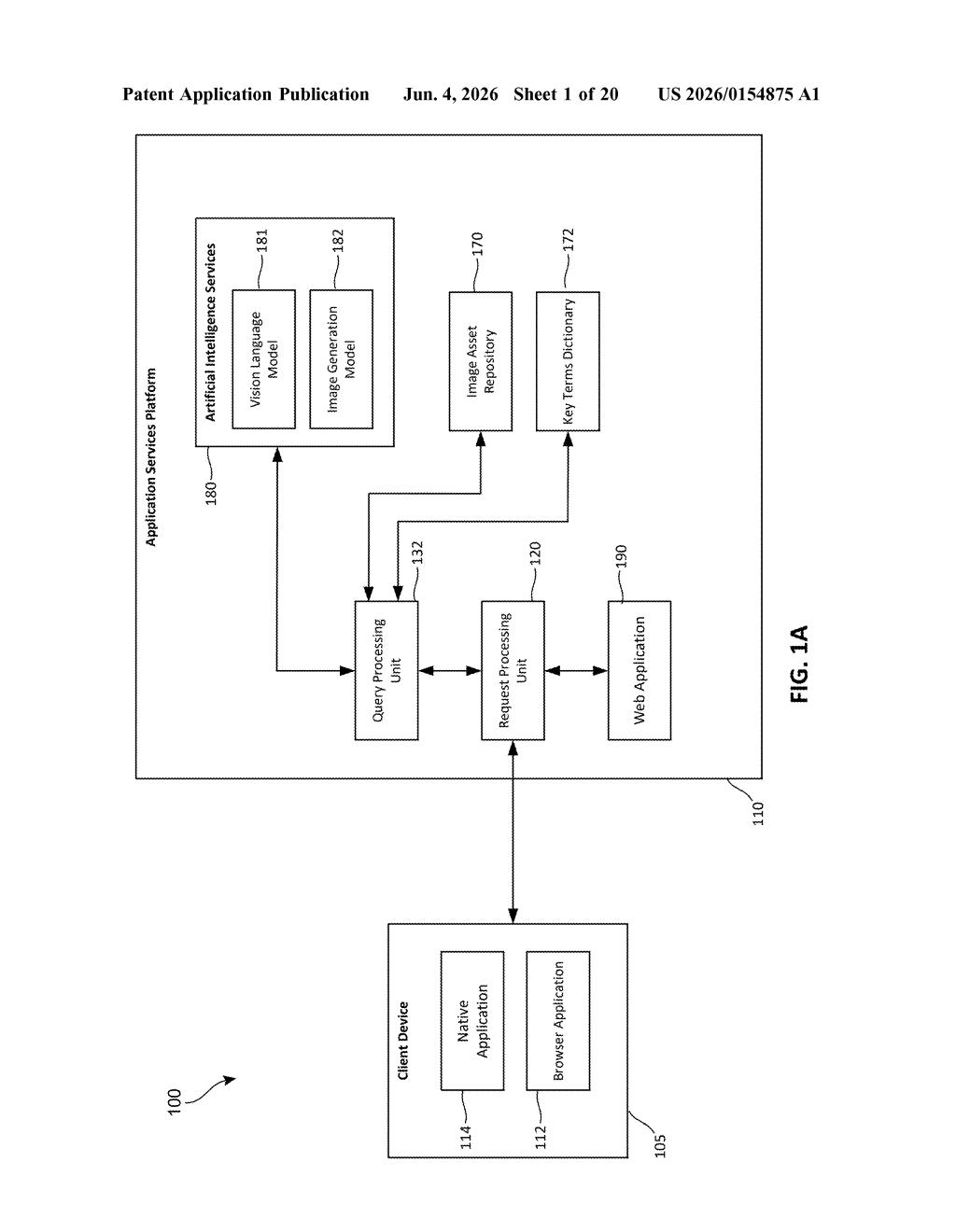
How Microsoft's image system skips AI to save power
Imagine asking a design tool to build you a product banner with a red sports car parked in front of a neon cityscape at night. Generating that whole scene from scratch using AI takes real compute power — which means real money and real energy. Microsoft's patent describes a smarter way to handle that.
The idea is to keep a library of pre-made image assets — think of it like a giant stock photo shelf built into the system. When you send a text prompt, the system first checks whether any pieces of your requested image already exist on that shelf. If the sports car is in the library but the neon cityscape isn't, only the missing piece gets sent to the AI model to generate.
The final image is automatically stitched together from whatever was pulled off the shelf plus whatever the AI freshly created. You get the same result, but the system did a lot less heavy lifting to produce it.
How the system mixes cached assets with AI-generated pieces
The patent describes a multistage image generation pipeline with three operating modes:
- Mode 1 (Pure Cache): The system serves the entire requested image from a pre-stored asset repository — no AI model runs at all.
- Mode 2 (Pure AI): The system uses a generative AI model to produce the entire image from scratch, used only when the cache can't help at all.
- Hybrid Mode: The interesting one — when the asset library covers some but not all image elements requested by the prompt, the system combines cached assets for covered elements and AI generation for the missing ones, then automatically composites the result.
The core logic involves analyzing an incoming text prompt to decompose it into discrete image elements (objects, scenes, styles, etc.), then querying the asset repository to see which elements already have satisfying prestored content. If coverage is partial, hybrid mode kicks in — only the uncovered elements are handed to the AI model.
The patent also references adaptive caching, suggesting the system learns which assets are requested frequently and prioritizes storing those, further reducing how often the expensive AI path gets triggered over time.
What this means for AI image costs at cloud scale
At consumer scale, even shaving a fraction of AI inference calls off image generation requests translates into massive reductions in compute costs and energy consumption. For Microsoft, which runs Azure AI services and integrates image generation into products like Bing and Copilot, this kind of infrastructure optimization is a direct cost-control lever — not a nice-to-have.
For you as an end user, the more relevant angle is speed and consistency. Pre-cached assets render almost instantly compared to full AI generation, so a hybrid system could mean faster responses for common requests. The tradeoff is that cached pieces might look slightly different from AI-generated ones, which is exactly the compositing challenge this patent is trying to solve.
This is genuinely practical infrastructure work, not a research moonshot. The core idea — cache what you can, generate only what you can't — is a well-understood optimization principle applied to a context (AI image generation) where the compute costs are high enough to make it worth patenting. Microsoft almost certainly has something like this running or planned in Azure AI or Copilot image features already.
There are more where this came from
We read every patent application Big Tech publishes and send you the ones worth knowing. Plain English, free, every week.
Want this weekly breakdown for a company we don't cover? Patentlyze Pro →