
Samsung Patents a Fix for Flickering AI Video Effects Between Frames
If you've ever seen an AI-enhanced video where the effect seems to pulse or shimmer from one frame to the next, Samsung has filed a patent aimed directly at that problem. The fix involves blending information from neighboring frames so the result looks steady across the whole clip.
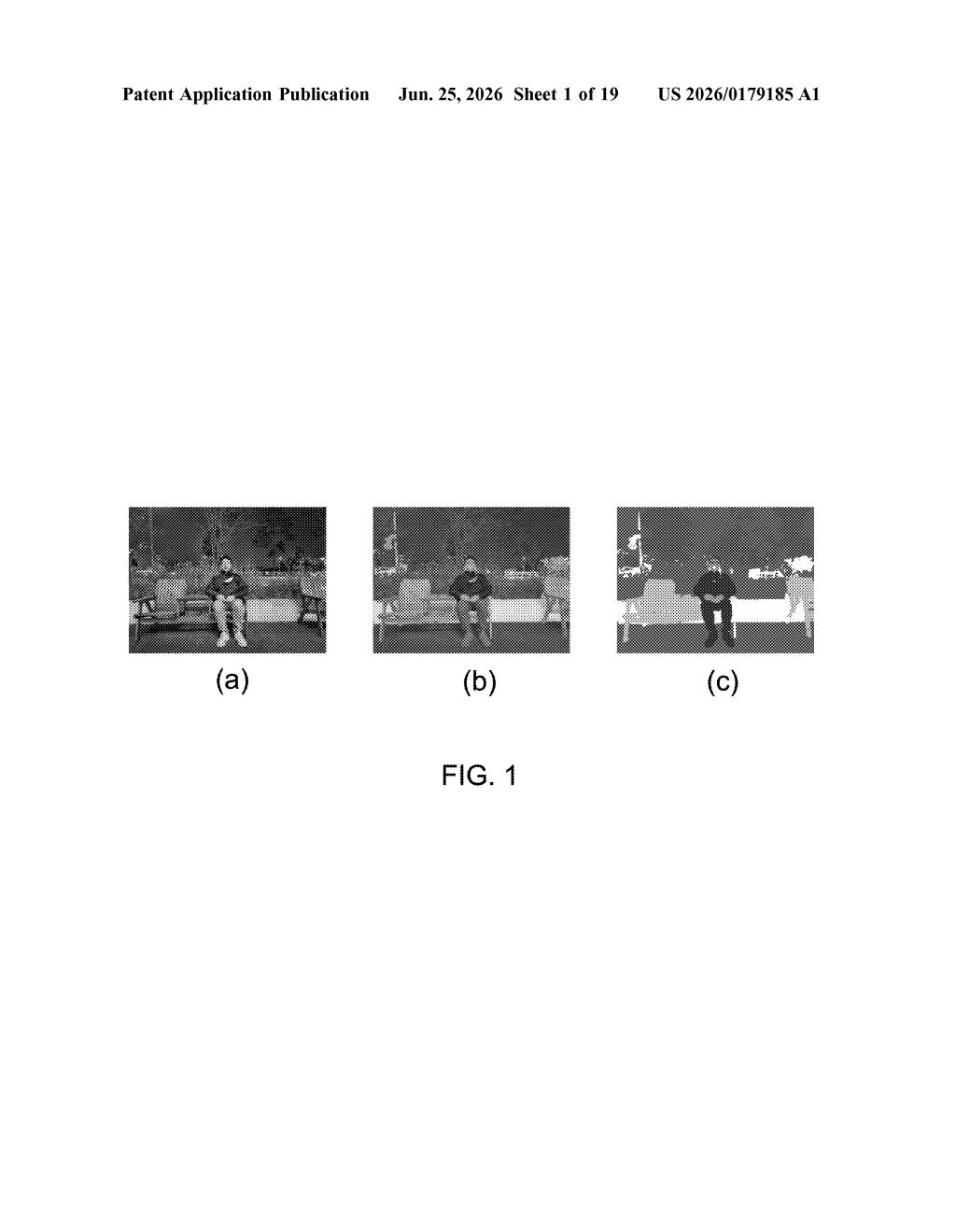
How Samsung wants to stop AI video from flickering
Imagine watching a video where your phone's AI is supposed to blur the background or sharpen faces. On some clips, the effect flickers slightly, as if it can't quite make up its mind from one moment to the next. That visual instability is a known headache for any software that processes video one frame at a time.
Samsung's patent describes a way to smooth this out. Instead of treating each frame as its own isolated task, the system looks at what it already decided for a previous frame and carries that information forward. It generates a kind of prediction for the new frame, then blends that prediction with what it learned from the old one.
The result is a video where the AI effect stays consistent across time, not just accurate for a single snapshot. Think of it like a camera's image stabilization, but for the decisions the AI makes rather than for physical camera shake.
How the fusion tracking filter blends frame predictions
The patent describes a two-part process that runs during AI-based video processing. For any given output frame, the system works with at least two input frames at once.
- Predicted soft volume: For the newer frame, the system generates what the patent calls a "soft volume" (essentially a map of probabilities or confidence scores for each pixel, describing what the AI thinks is happening in the scene, such as which pixels belong to a person versus the background).
- Weight map: For the earlier frame, it generates a weight map, a per-pixel record of how confident and stable the previous decisions were.
- Fusion step: These two outputs are combined into a single blended prediction for the output frame. The blending acts as a filter, pulling the current frame's AI decision toward what was already decided for the prior frame whenever the two are consistent.
The USPC classification (382/156, image analysis) confirms this sits in computer vision territory. The "fusion tracking filter" in the patent's title is the core mechanism doing this blending work. It functions similarly to a Kalman filter (a classic tool for smoothing noisy sensor readings over time) but applied to per-pixel AI predictions in video.
What this means for AI video on Samsung devices
Temporal inconsistency is one of the most visible failure modes of AI video processing, and it gets worse as AI effects become more aggressive (think automatic background replacement, real-time portrait segmentation, or AI-based super-resolution on streaming video). A patent like this targets the scaffolding that makes those effects look polished rather than glitchy.
For Samsung, the practical application could span Galaxy phones doing live video processing, Samsung TVs applying AI upscaling to broadcast content, or video conferencing software on Galaxy devices. If this approach ships, you would likely never know it's running, which is exactly the point: the best version of this fix is the one you never notice.
This is a solid, focused engineering patent that solves a real and annoying problem. It won't make headlines at a product launch, but the kind of temporal flickering it targets is one of those things that separates a polished AI camera from a gimmicky one. Samsung's video processing pipeline across phones and TVs gives this patent a credible path to actually shipping.
There are more where this came from
We read every patent application Big Tech publishes and send you the ones worth knowing. Plain English, free, every week.
Want this weekly breakdown for a company we don't cover? Patentlyze Pro →