
Microsoft Files Patent for an AI That Traces Network Crashes Back to Faulty Code
Microsoft's filing teaches an AI to read a mobile network's error logs, find the piece of code that broke, and suggest the fix. It also describes a coding helper that writes comments on code and flags error handling a programmer forgot to add.
What Microsoft's AI log-reader actually does
Ever had a phone call cut out mid-sentence and wondered how anyone could work out why? Behind the scenes, a mobile network is a huge web of cell towers and servers, all writing notes about what they're doing. When something breaks, an engineer has to dig through mountains of those notes (called logs) to find the culprit.
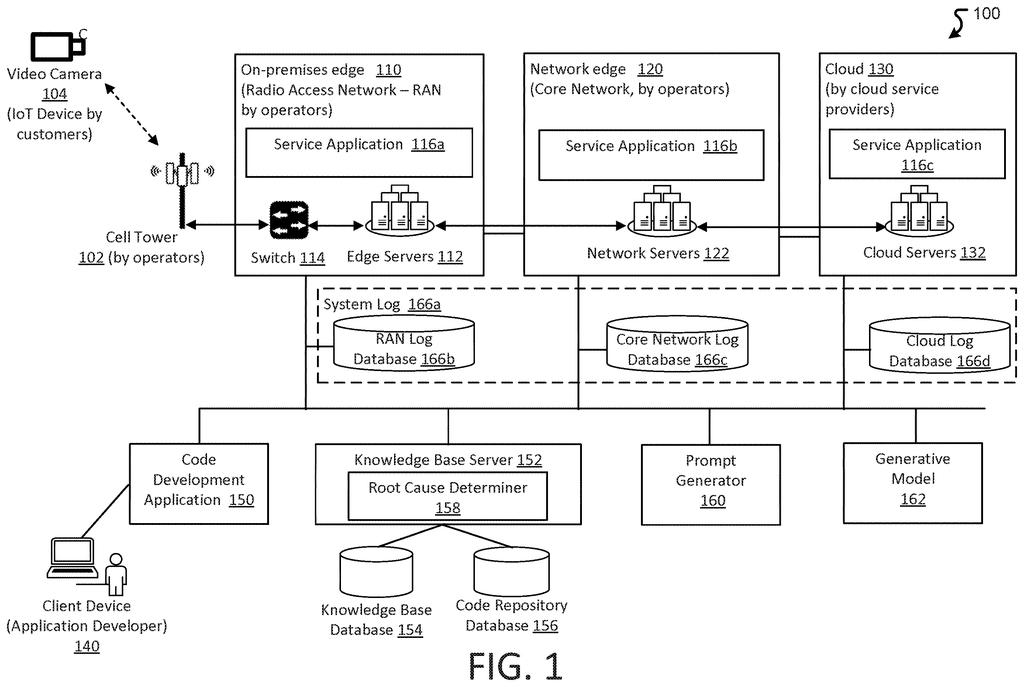
Microsoft's patent filing hands that digging to a chatbot-style AI model. The system pulls the relevant log entries, adds a map of which pieces of code call which other pieces, and adds a list of the error-handling routines the company expects code to have. Then it simply asks the AI what caused the problem.
The answer comes back in plain sentences, naming the faulty piece of code and often a sample fix. The filing also describes an assistant for programmers that writes plain-language comments on code and flags missing safety nets before problems happen.
… generating a second prompt comprising the annotated code snippet and function information as grounding information, and a question requesting identification of one or more missing exception handler function calls in the annotated code snippet …
Translation: The AI reviews the code with added comments to spot any missing error handling commands.
How the prompt is stuffed with logs and code maps
The filing covers two linked ideas. The first is a coding assistant. A developer pastes in a code snippet, and the system asks a pre-trained generative model (a large language model, the same family as popular chatbots) to write a plain-language summary, which gets inserted as a comment. A second prompt then sends the commented code plus a table of approved exception handlers (routines that deal with errors, such as running out of memory) and asks which ones are missing. The answer comes with a fingerprint, an ID tag for each function, and a code snippet the developer can insert.
The second idea is root cause analysis. The system builds one prompt out of three things:
- Event data from a system log showing an incident
- A function hierarchy graph, a map of which functions call which
- Function information, such as the table of handlers and their descriptions
A prefix tells the model to stick to that material and say it doesn't know when the information runs short. The fingerprint IDs appear in the code, the graph and the logs, which lets the model connect the dots. In the filing's example, the model reports that a function crashed with a memory overflow because it had no handler for it, and suggests adding one.
Dependent claims add that the fix can be saved to a code repository, and that the setting can be an edge server in a 5G network.
… using a pre-trained generative model to determine the root cause for an incident as recorded in event data of a system log …
Translation: An artificial intelligence system analyzes log files to figure out what caused a network crash.
Why telecom engineers could care about this one
When a network fails, every minute of detective work is a minute of dropped calls, stalled video feeds or frozen services for customers. A tool that reads the logs and points to the faulty code could shorten that hunt, and the suggested fix could cut the hand-off between the person who finds a problem and the one who patches it. The filing does not say how often the answers are right, so treat the benefit as an aim.
The coding side matters for ordinary developers too. Automatic comments and a nudge about missing error handling is a familiar pitch from AI coding helpers. The twist here is the fingerprint system, which ties a line in a log back to the exact code behind it. The filing calls the helper a co-pilot but names no product.
This is the 51st Microsoft patent we've tracked in Enterprise AI since May, adding to a run that includes an AI coach for nurses and swapping predictions without rewrites.
The design trades flexibility for control. Instead of training a custom model, Microsoft packs everything the AI needs into the question itself and tells it to stay inside that material. That keeps the model on topic and avoids expensive retraining.
The cost is upkeep. The answers are only as good as the handler table, the call map and the logs, and all three must stay current and carry matching ID tags across code written by many people. If a log entry lacks a tag, the model has much less to go on.
There is also the familiar chatbot risk of a confident wrong answer, and a wrong diagnosis in the middle of an outage wastes time. The filing does describe testing corrected code before it goes live, which is the right safeguard. For a job where engineers already lose hours reading logs, the trade reads as worth it, as long as people keep the final say.
Get our take in your Top Stories
Liked this breakdown? Add Patentlyze as a preferred source on Google, and our plain-English take shows up more often in your Top Stories the next time Microsoft patent news breaks.
There are more where this came from
We read every patent application Big Tech publishes and send you the ones worth knowing. Plain English, free, every week.
The drawings
14 drawing sheets from US 2026/0342643 A1 · click any drawing to enlarge


Show the other 6 sheets


Want this weekly breakdown for a company we don't cover? Patentlyze Pro →
Be the first to weigh in