
A New Microsoft Patent Lets AI Remember and Learn From Past Chats
Every time you close a chat with an AI, everything it figured out during that conversation disappears. Microsoft's new patent is designed to change that — by giving AI a structured memory bank it can actually learn from.
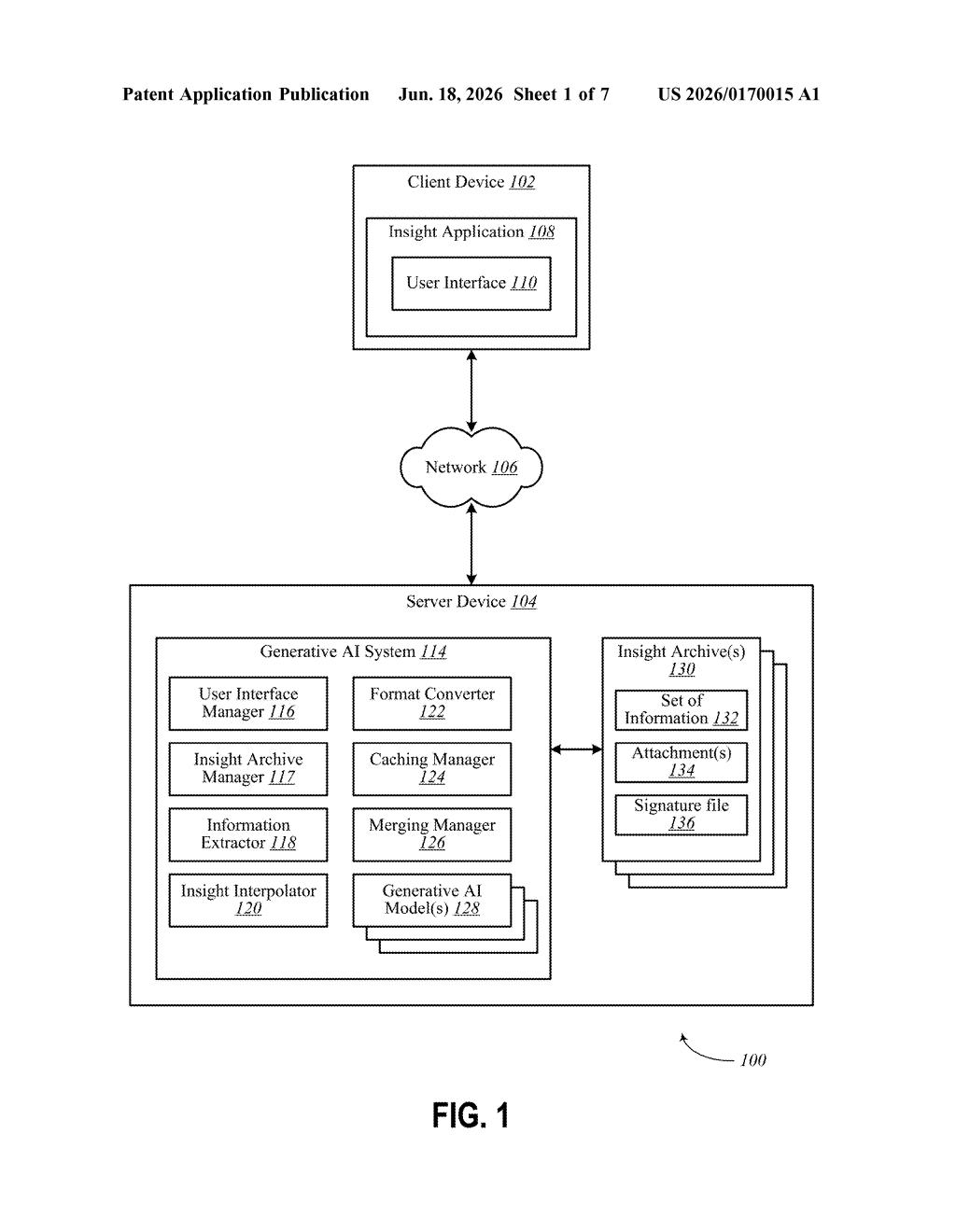
How Microsoft's AI insight archive system actually works
Imagine you spend an hour asking an AI assistant to analyze your company's sales data. It does a great job, pulling together patterns and conclusions. Then you close the window — and the next time you open a new chat, it has no idea any of that happened.
Microsoft's patent describes a system where those conclusions, called insight archives, get saved and organized after each AI session. When you start a new conversation, the AI can look back at what it figured out before and use those earlier conclusions as a starting point instead of beginning from scratch.
Over time, the archives can be linked together or merged when related topics come up. The AI can also repackage stored insights into new formats — turning raw session notes into a summary, a report, or presentation slides — without you having to ask it to re-derive everything from the beginning.
How the AI stores, links, and reuses old session data
The patent describes a generative AI system that treats each session's outputs as structured, reusable data rather than throwaway conversation logs.
After each AI session, the system packages the key conclusions — along with the documents and data used to reach them — into what the patent calls an insight archive. Each archive stores not just the answer but the reasoning trail behind it.
When a new prompt arrives in a later session, the AI queries relevant existing archives and uses a process called interpolation (essentially: blending and extrapolating from stored insights to fill in gaps or answer new questions) to generate an updated insight. That new insight, and the information used to produce it, is then saved into a new archive with a cross-reference back to the original — building a linked chain of knowledge over time.
The system also supports:
- Merging multiple archives when their topics overlap
- Extracting specific data slices from archives on demand
- Converting archived insights into alternate output formats like slides, reports, or summaries
What this means for AI tools you use at work
For anyone who uses AI tools at work, this addresses a real friction point: today's AI assistants have no carry-over between sessions. You end up re-explaining context, re-uploading documents, and re-asking questions that the AI already answered last Tuesday. A working insight-archive system could make an AI assistant feel genuinely cumulative — the more you use it, the more useful it gets for your specific domain.
For Microsoft, this fits neatly into its broader push to make Copilot a persistent work companion rather than a one-off query tool. If this kind of memory architecture reaches production, it could meaningfully change how AI handles long-running projects — research, financial analysis, legal review — where context builds over weeks, not minutes.
This is a practical, thoughtful idea solving a real problem — AI's goldfish memory across sessions — but the hard part isn't the concept, it's execution. Privacy, data organization, and deciding what's worth keeping are engineering problems that could easily make this brittle in practice. Still, the cross-referencing and archive-merging design shows more structural thinking than a simple chat-log dump, which puts it ahead of most AI memory patents filed in the last two years.
There are more where this came from
We read every patent application Big Tech publishes and send you the ones worth knowing. Plain English, free, every week.
Want this weekly breakdown for a company we don't cover? Patentlyze Pro →