
Microsoft Patents a System That Backs Up Files Before You Delete Them
Microsoft has filed a patent for a system that intercepts a file deletion in real time, ships the file to cloud storage first, and only then lets the delete go through — meaning the file is already backed up before it ever disappears.
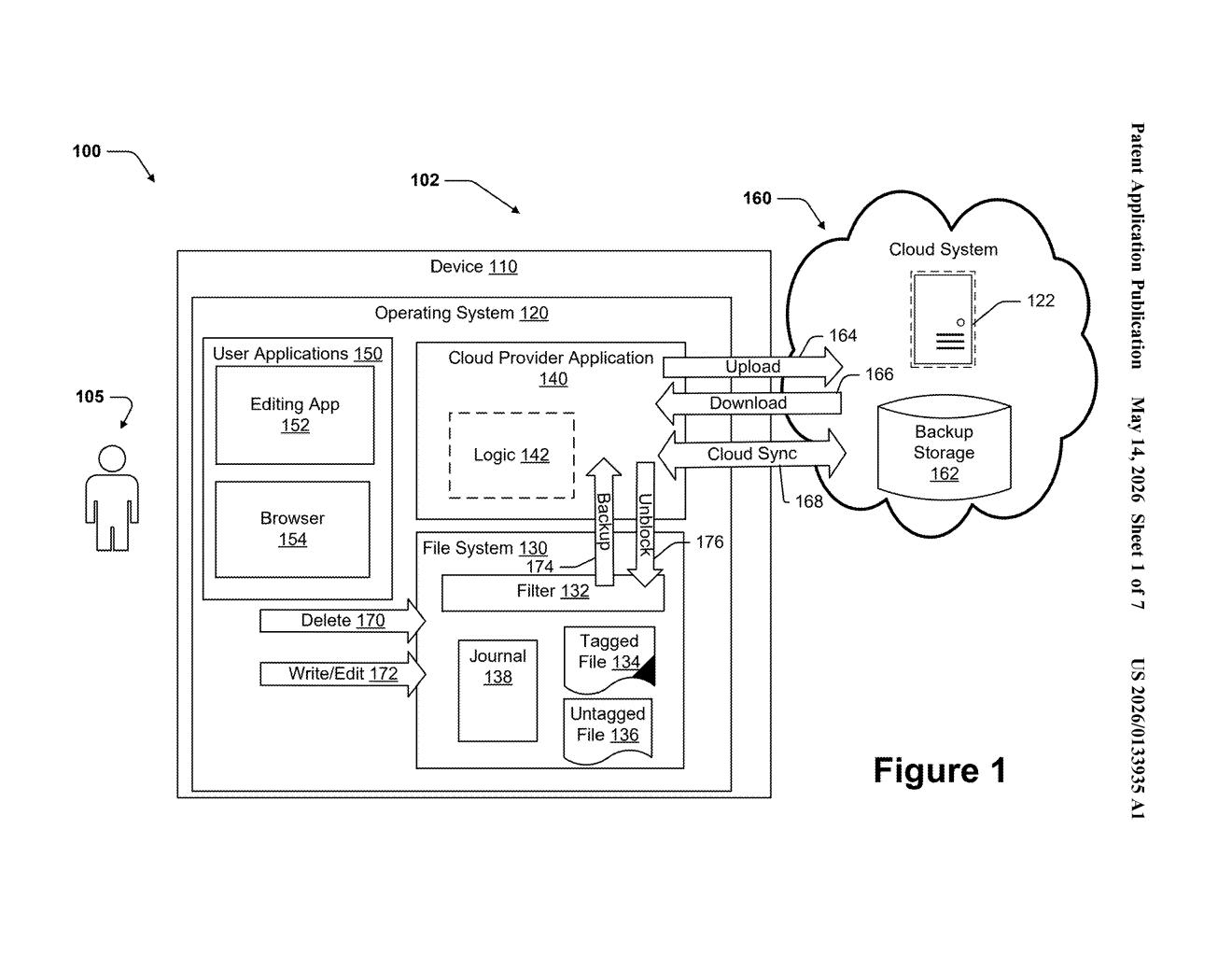
How Microsoft's delete-intercept backup system works
Imagine you delete a document and immediately realize it was the wrong one. With most sync setups today, you're at the mercy of version history windows — and if the file wasn't synced to the cloud recently, it might just be gone.
Microsoft's patent describes a smarter approach: when you (or an app) issues a delete command on a file, the operating system can quietly intercept it before anything is erased. If the file has been tagged as important — as something that should stay in sync with the cloud — the system pauses the deletion, notifies the cloud app, and waits for a green light.
The cloud app then has a window to upload a backup copy. Once that's done, it sends an approval back to the file system, which finally carries out the delete. The file is gone locally, but safely stored in the cloud. It all happens invisibly, without the user having to do a thing.
How the file system filter catches and holds delete commands
The system works by tagging individual files in the local file system with metadata that marks them as cloud-sync candidates — even if they live outside the cloud provider's normal folder structure (what the patent calls the "cloud provider namespace," meaning the standard OneDrive or Dropbox sync folder).
A file system filter — a low-level driver that sits between applications and the file system and can inspect or intercept I/O operations — monitors for delete commands. When a delete is issued on a tagged file, the filter blocks the operation and fires a notification to the cloud provider application.
The cloud provider app receives that notification and has a chance to:
- Upload a backup copy of the file to the cloud file system
- Record the deletion event in a journal log
- Send an approval signal back to the file system to unblock the delete
Only after that approval is received does the local file system actually complete the deletion. The claim also specifies the tag can carry backup policy metadata, meaning different files could have different rules — some might require immediate upload, others might allow a short delay.
What this means for OneDrive and accidental deletions
For everyday OneDrive users, this could mean the end of the "I deleted it before it synced" problem. Right now, if a file lives outside your sync folder or hasn't been picked up by the background sync process yet, deleting it can mean it's simply gone. This patent describes a mechanism that closes that gap at the OS level.
For Microsoft, it's also strategically interesting: by tagging files outside the traditional OneDrive namespace, they could extend backup protection to your entire file system — not just the folders you've consciously opted into syncing. That would be a meaningful competitive differentiator for OneDrive versus Dropbox or Google Drive.
This is genuinely useful infrastructure work. The "file deleted before it synced" scenario is a real, recurring pain point that Microsoft is addressing at the right layer — the OS filter driver level — rather than with a clunky UI prompt. It's not flashy, but it's the kind of silent improvement that makes cloud storage feel more trustworthy.
There are more where this came from
We read every patent application Big Tech publishes and send you the ones worth knowing. Plain English, free, every week.
Want this weekly breakdown for a company we don't cover? Patentlyze Pro →