
Microsoft Patent Targets Fraud Patterns Slipping Past AI Detection Models
Every AI fraud detector has a blind spot: patterns it was never trained to recognize. Microsoft's latest patent describes a system designed to catch exactly those gaps and patch them automatically.
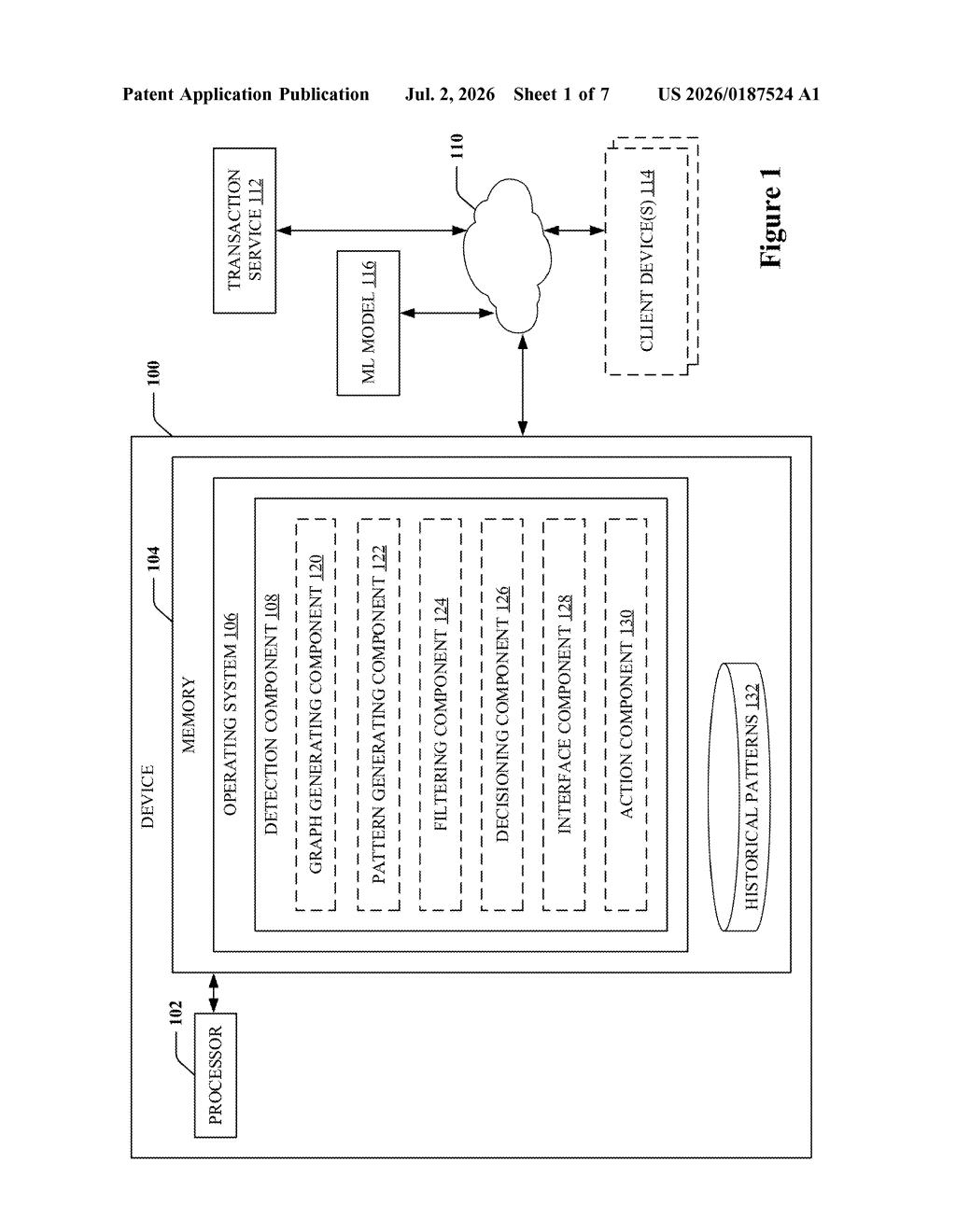
How Microsoft's self-correcting fraud detector works
Imagine your bank's fraud-detection AI has been trained to flag suspicious transactions. It's good at catching the scams it's seen before, but a clever new type of fraud can slip right through because the AI simply doesn't have a name for it yet.
Microsoft's patent describes a system that watches for those emerging patterns by comparing new transactions to ones the AI has already made decisions about. If a cluster of transactions looks very similar to ones the AI flagged as risky, the system can start applying the same treatment to the new ones, even before anyone has formally taught the AI about that pattern.
The system is also self-correcting: it uses the AI model itself to refine those groupings over time, so the more transactions it sees, the tighter and more accurate its pattern-matching becomes. Think of it as a second pair of eyes that specifically looks for things the first pair hasn't learned to see yet.
Inside the similarity-score pattern engine
The patent describes a two-layer detection approach layered on top of an existing supervised machine learning model (a model trained on labeled examples of known fraud or risk).
First, the system takes incoming transaction data and generates large numbers of patterns by combining different transaction attributes, such as merchant type, amount range, location, and time of day. It filters those patterns down to ones with enough data points to be statistically meaningful.
For each surviving pattern, it separates transactions into two buckets:
- Transactions where the AI did make a decision (for example, flagged as fraud)
- Transactions where the AI did not make a decision (passed through as normal)
It then calculates similarity scores between transactions in the first bucket to build a statistical confidence range. Any transaction in the second bucket that falls inside that similarity range gets reassigned to the decision bucket, effectively catching edge cases the original model missed.
A second, self-correcting layer feeds those reassigned transactions back into the model to improve future decisions, closing the loop over time.
What this means for AI-driven financial decisions
For banks, payment processors, and any company running AI-based risk decisions, the gap between "what the model knows" and "what's actually happening" is a constant operational headache. New fraud rings, new merchant categories, or sudden behavioral shifts can fly under the radar for weeks until a human analyst spots the trend and retrains the model. This system is designed to close that window automatically.
From a practical standpoint, you as a cardholder or account holder could see fewer false negatives (fraud that slips through) and a faster response when genuinely new attack patterns appear. The self-correcting loop also means the system gets more precise over time without requiring constant manual intervention from data science teams.
This is a real operational problem in financial AI, and Microsoft is filing in a space where enterprise customers (banks, insurers, payment networks) pay significant money for exactly this kind of reliability improvement. The approach is incremental rather than novel, but the self-correcting loop is the genuinely interesting part. It's less a research breakthrough and more a well-engineered solution to a known gap in production ML systems.
Get our take in your Top Stories
Liked this breakdown? Add Patentlyze as a preferred source on Google, and our plain-English take shows up more often in your Top Stories the next time Microsoft patent news breaks.
There are more where this came from
We read every patent application Big Tech publishes and send you the ones worth knowing. Plain English, free, every week.
Want this weekly breakdown for a company we don't cover? Patentlyze Pro →