
Microsoft Patents a System That Turns Form Answers Into Executable Code
What if filling out a form was secretly writing code? Microsoft has filed a patent for exactly that — a system that takes structured form responses from everyday users and automatically translates them into executable query expressions behind the scenes.
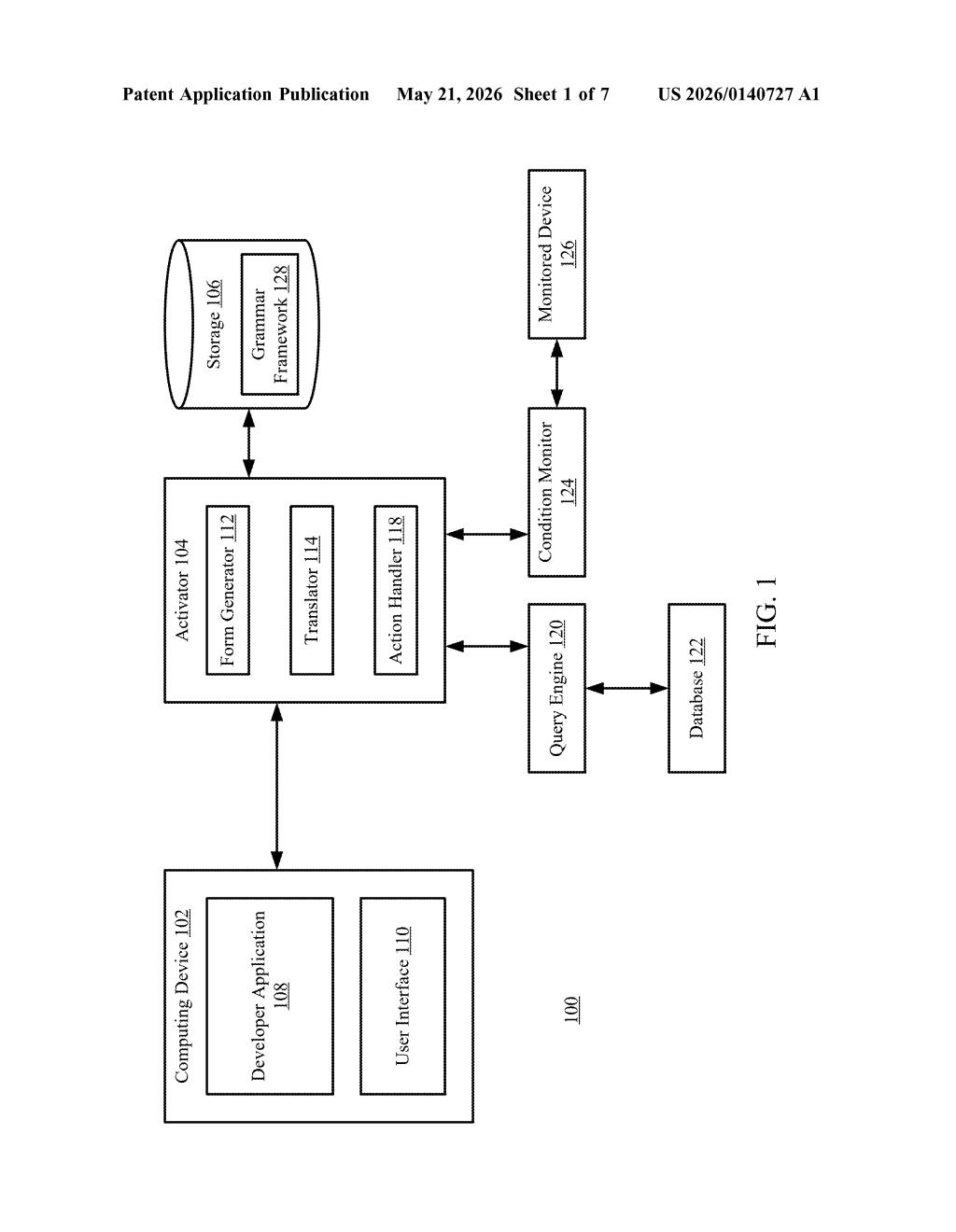
How Microsoft's form-to-query translation actually works
Imagine you're using a business tool and you fill out a simple form: pick a date range, select a department, choose a metric. You hit submit. Normally, that data gets shuttled off to some backend logic a developer wrote months ago. But what if the form itself could describe the query, and the system could translate your choices into a real database command on the fly?
That's the core idea here. Microsoft's patent describes a system built around templates — pre-built form structures where each question is tied to a specific function or service. When you answer a question, the system reads your response alongside the context of the form (which template you used, what question was asked) and automatically translates it into a structured query that a service can actually execute.
The upshot: you don't need to know SQL, APIs, or any query language. The form handles the translation. It's a bridge between how people naturally communicate intent — filling out boxes — and how software actually gets things done.
How the grammar-based template maps answers to query expressions
The patent describes a declarative API (a system where you describe what you want rather than how to do it) that sits between a user-facing form and a backend service.
The key building block is a template instance. Each template contains a grammar-based definition — essentially a formal ruleset that describes what a valid answer looks like for a given question — plus an association that maps that answer to a specific function or service call. Think of it like a typed contract: the grammar says "this field expects a date range," and the association says "a date range here maps to the filterByDate() function."
When a user submits a response, the system receives two things: the form language response (the raw answer) and the form context (metadata about which template and which question generated it). Using the context, the system automatically determines which association applies, then translates the form response into a query expression — a structured command the backend service can execute directly.
- Template instances define both structure (grammar) and intent (function mapping)
- Responses carry context so the translation layer knows exactly how to interpret them
- No manual parsing or bespoke backend logic per form — the template encodes it all
What this means for low-code and natural language interfaces
For low-code and no-code platforms — think Microsoft Power Apps, Power Automate, or Copilot Studio — this kind of architecture is genuinely useful. Right now, connecting a form to a backend service usually requires a developer to write glue code. This patent describes a way to encode that glue into the template itself, so the translation is automatic and reusable.
For you as a user, it could mean more capable self-service tools: forms that actually do things rather than just collect data. For Microsoft, it's a plausible piece of the infrastructure underpinning AI-assisted workflows — where a language model (or a structured form) generates intent, and a translation layer turns that intent into real service calls without a developer in the loop.
This is unglamorous infrastructure work, but it's the kind of thing that makes low-code platforms genuinely powerful rather than just demo-friendly. The grammar-based binding approach is a clean architectural idea — it keeps the translation logic close to the data structure rather than scattered across backend handlers. Worth watching if you follow Power Platform or Copilot Studio development.
There are more where this came from
We read every patent application Big Tech publishes and send you the ones worth knowing. Plain English, free, every week.
Want this weekly breakdown for a company we don't cover? Patentlyze Pro →