
Microsoft Files Patent for Photo Search That Stays Inside One Store's Catalog
Microsoft describes a photo search service where every store gets its own private collection, so snapping a picture of a jacket searches only that retailer's catalog.
What Microsoft's one-store photo search does
Ever snapped a photo of a stranger's jacket and wished you could find that exact one, or something close, in a single store's catalog? A general web image search buries it under results from everywhere.
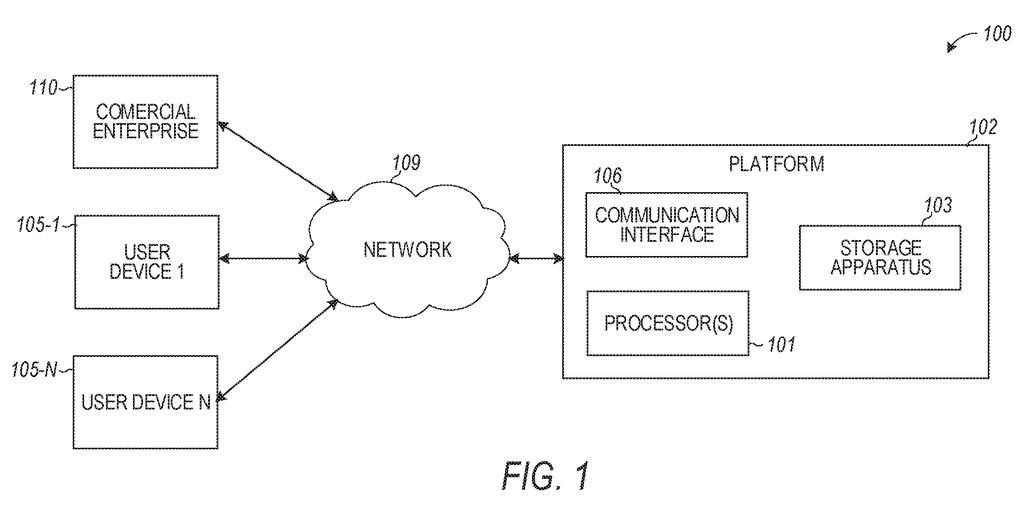
Microsoft's filing describes a service where a retailer uploads its product photos along with details about each one. The service builds a private, searchable collection just for that store. When you send in a photo, you also say which store you want to search, and only that store's collection gets checked.
The same service can hold collections for many businesses at once, each kept apart. A department store's customers would see only the department store's items, and a furniture seller's customers would see only furniture.
… indexing the first set of images associated with the first entity without referencing images of the second set of images to create a first index, wherein the first index is associated with the first entity and not the second entity; …
Translation: The system keeps each store's photo catalog completely separate so searches do not bleed across vendors.
How each store gets its own private image index
The filing covers a visual search service that many businesses can share. Each business (the filing calls them partners) sends in photos plus details about each one, such as category or color. The system builds a separate index for every partner, which is a lookup structure that makes searching fast. The claims say each index is built without looking at any other partner's images.
When you search, your device sends a query image along with an identifier for the store. The system searches only that store's index and sends back matching images. The description walks through the steps:
- Your photo is turned into a list of numbers (a vector) that describes what the picture shows.
- A first ranker narrows the collection to a shortlist of close matches.
- A second ranker orders just that shortlist, using things like category and color.
- A duplicate remover drops repeats, and stored details are attached before results come back.
The description aims for results in under a second and says a collection of up to about 40 million images can fit on a single machine. It also describes a health monitor that reports how the service is running, an adult-content filter, and a way for developers to test changes on a small collection. One version of the idea even lets a consumer upload personal photos as the collection.
Why retailers could rent Microsoft's photo search
If you have ever searched by photo in a shopping app, you know the frustration of results for things the store does not sell. Keeping each retailer's photos in a separate collection means a search shows only what that retailer actually stocks. A retailer would not need to build image search itself. It would send in its photos and plug into the service.
For Microsoft, the pitch is a service that sells to many businesses at once, with each customer's catalog kept apart. The description says the system is meant for focused collections and not for searching the whole web, which involves billions of images. The same setup could also search a person's own photo library.
That makes this Microsoft's 568th filing in our Microsoft coverage since May, a run that includes applications like the building-recognition patent and the voice-filtering recorder.
For you as a shopper, the benefit is simple: snap a photo, get results from the store you are browsing, and nothing else. You skip the ads for rival stores and the lookalike items from random websites. You would notice it most in a narrow catalog like furniture or shoes, where web results are mostly noise.
The catch is that you only feel this if a retailer signs up and builds the feature into its app. Nothing in the filing changes how photo search works in your phone's camera or browser.
The ideas here are fairly ordinary: separate collections, two rounds of ranking, duplicate removal. How useful it turns out depends on how well each store's photos and details are fed in, and the filing leaves that to each partner.
Get our take in your Top Stories
Liked this breakdown? Add Patentlyze as a preferred source on Google, and our plain-English take shows up more often in your Top Stories the next time Microsoft patent news breaks.
There are more where this came from
We read every patent application Big Tech publishes and send you the ones worth knowing. Plain English, free, every week.
The drawings
5 drawing sheets from US 2026/0340698 A1 · click any drawing to enlarge


Want this weekly breakdown for a company we don't cover? Patentlyze Pro →
Be the first to weigh in