
Qualcomm's New Patent Wants to Move XR Rendering Off Your Face
Rendering a full 3D scene on a lightweight headset is brutally hard — so Qualcomm wants to move that work to a more powerful remote machine and beam the results back. The clever part is how it packs the rendered scene for transmission.
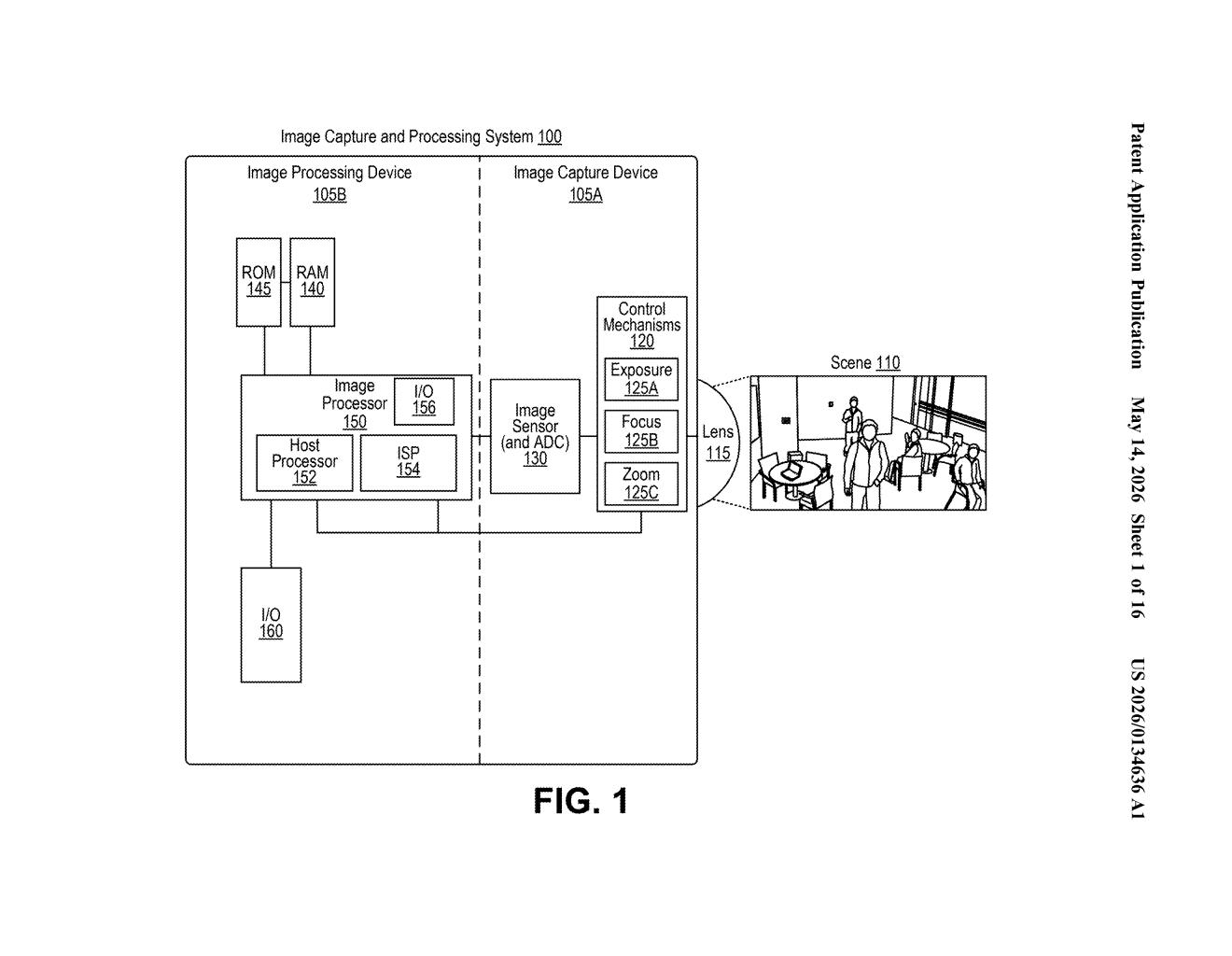
What Qualcomm's per-object XR rendering actually does
Imagine you're wearing an XR headset — think of something like a mixed-reality visor. The headset needs to show you a rich 3D world, but doing all that graphics work on a device strapped to your face is a huge ask for battery and processing power. One solution is to let a nearby powerful computer (or a server) do the heavy lifting and stream the visuals to you, much like game streaming.
Qualcomm's patent describes a smarter version of that idea. Instead of rendering the whole scene as one giant image and sending it over, their system breaks the scene into individual 3D objects, renders each one separately, and then packs them side-by-side into a single video frame — like a mosaic — before sending it to the headset.
The headset receives that mosaic along with metadata telling it exactly where each object belongs in your field of view. It reassembles everything correctly so you see a seamless 3D world, even though the actual rendering happened somewhere else entirely.
How asymmetric frustums and packed video frames work together
The core idea is a technique called per-object remote rendering. A rendering device (not the headset itself) tracks the position and orientation of the XR headset in real time. For each 3D object in the scene, it computes an asymmetric frustum — basically a custom, non-symmetrical viewing pyramid that tightly wraps just that object from the headset's point of view. This avoids wasting pixels rendering areas that aren't relevant for a given object.
Each object is then rendered flat (into a 2D image plane) at its own frame rate — so fast-moving objects can be refreshed more often than static background elements. The resulting rendered images are placed into non-overlapping segments of a single video frame, essentially tiling them together without any overlap or wasted space.
That packed video frame, along with metadata for each object (its frustum parameters, position, render rate, etc.), gets transmitted to the headset. The headset uses the metadata to unpack the mosaic and correctly reproject each object back into the 3D scene the user sees.
- Position tracking: headset pose is obtained continuously to keep frustums accurate
- Per-object frustums: tight, asymmetric view volumes minimize unnecessary rendering work
- Variable render rates: dynamic objects update faster than static ones
- Packed video frame: all objects ship together in one efficient transmission
What this means for untethered XR headset performance
The biggest bottleneck for lightweight XR headsets isn't the display — it's graphics processing. By offloading rendering to a remote device, Qualcomm's approach could allow thinner, cooler, longer-lasting headsets without sacrificing visual quality. The per-object packing trick is particularly interesting because it lets the system prioritize bandwidth and refresh rates based on what actually needs to change in the scene.
For you as a user, this could mean an XR headset that feels snappy and visually rich without a chunky tethered cable or a hot device on your head. For the industry, it's a meaningful step toward making cloud or edge-rendered XR practical — especially relevant as competition in the headset space heats up.
This is solid, unglamorous infrastructure work — the kind of thing that rarely gets a product announcement but quietly determines whether XR headsets ever become something people actually want to wear all day. Qualcomm is essentially solving a real physics problem: you can't fit a RTX 4090 in a visor, so the rendering has to happen somewhere else, and this patent addresses the hard part of making that efficient. Worth paying attention to if you follow the XR hardware stack.
There are more where this came from
We read every patent application Big Tech publishes and send you the ones worth knowing. Plain English, free, every week.
Want this weekly breakdown for a company we don't cover? Patentlyze Pro →