
Nvidia Patents a Way to Borrow Color Detail From AI-Upscaled Frames
Nvidia has filed a patent for a system that takes color information produced during AI upscaling and feeds it back into lower-resolution frames, potentially letting graphics hardware punch above its weight without redoing expensive color calculations from scratch.
What Nvidia's color-borrowing upscaling system actually does
Imagine your TV uses AI to sharpen a blurry stream into a crisp picture. That sharpening process figures out a lot of extra color detail that wasn't in the original signal. Normally, that detail gets used once and thrown away. Nvidia's patent proposes holding onto it.
The idea is that once an AI has done the hard work of calculating rich, detailed color for an upscaled image, you can apply that color information to the next lower-resolution frame that comes through, rather than starting the calculation over. Think of it like copying good lighting notes from one photo shoot to the next instead of setting up the lights fresh every time.
This could let graphics chips produce better-looking images without spending as much processing power on each individual frame, which matters a lot in fast-moving games or video where frames change dozens of times per second.
How upsampled color data gets applied to lower-res frames
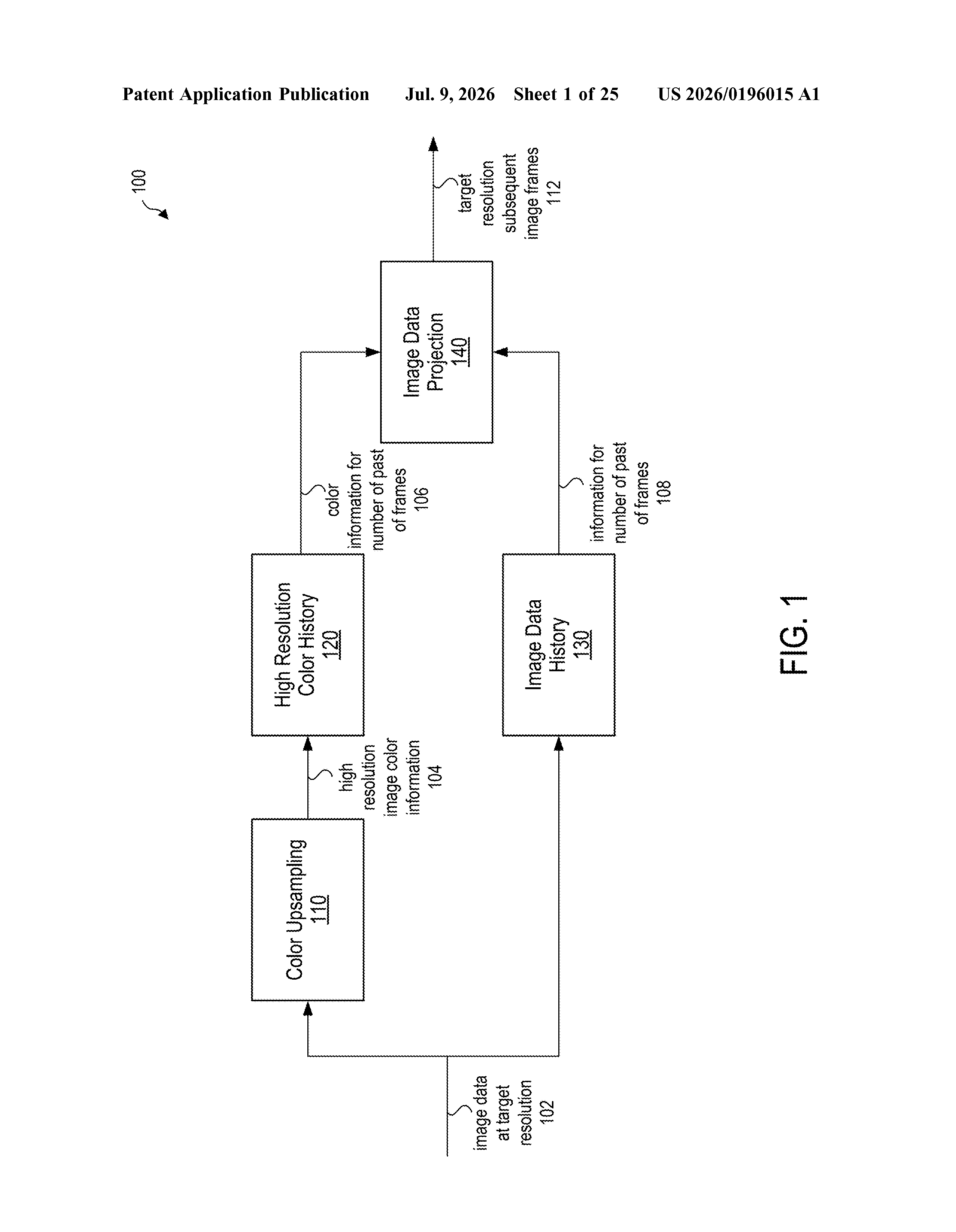
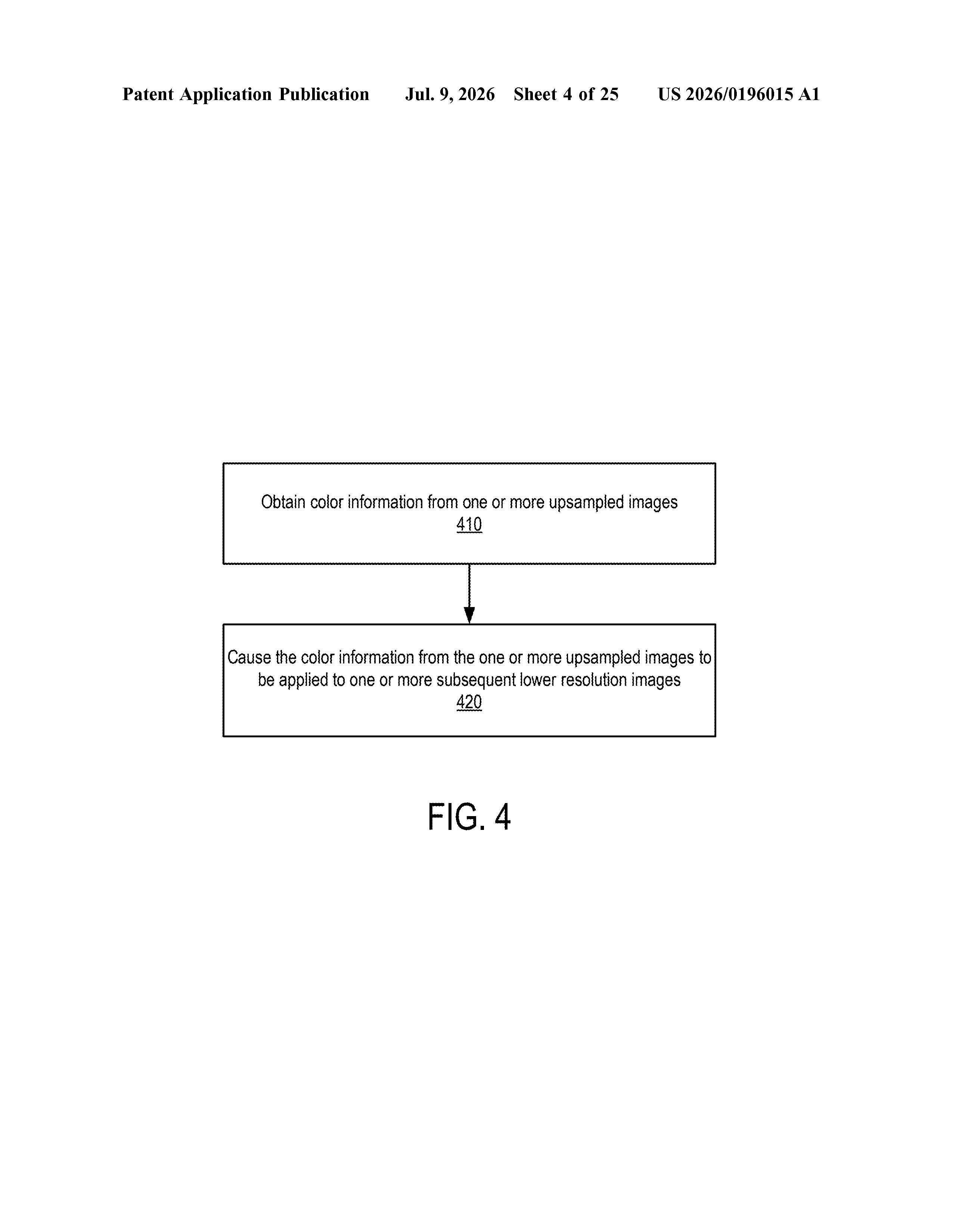
The patent describes a processor with circuits designed to extract color information from one or more upsampled images (frames that a neural network has already enlarged and enriched) and then apply that color data to subsequent lower-resolution images that haven't gone through the full upscaling pipeline yet.
In practical terms, the system works in a sequence:
- A neural network upsamples a frame, generating high-quality color detail in the process.
- That color information is captured and stored rather than discarded.
- When the next lower-resolution frame arrives, the saved color data is projected onto it, giving it richer color without a full neural-network pass.
The core insight is that temporal coherence (the fact that video frames near each other in time tend to look similar) makes the color from one upscaled frame a reasonable approximation for the next. Instead of treating every frame as an isolated problem, the system treats color enrichment as something you can carry forward, much like how noise-canceling headphones use a running model of ambient sound rather than sampling it from zero each millisecond.
What this means for real-time graphics and DLSS-style tech
Nvidia's DLSS technology already uses AI to upscale game frames in real time, and improving the efficiency of that pipeline has direct consequences for frame rates, power consumption, and image quality. A system that reuses expensive color calculations across frames could reduce the per-frame workload on the GPU, potentially letting the same hardware run games at higher frame rates or with better color fidelity at the same power draw.
For you as a player or a display user, the practical effect would be images that look more consistently colorful and detailed, especially in fast-moving scenes where upscalers typically struggle. It also fits into a broader Nvidia strategy of squeezing more visual output from the same silicon, which matters as 4K and 8K displays become more common and the demand for high frame rates grows.
This is a narrow but sensible optimization patent, not a headline architecture change. It is exactly the kind of incremental efficiency work that makes DLSS or a successor better over time without requiring new hardware. Whether it ships as a distinct feature or gets folded into a larger upscaling update, it reflects Nvidia doing careful engineering on a pipeline that already defines the company's competitive edge in PC graphics.
Get our take in your Top Stories
Liked this breakdown? Add Patentlyze as a preferred source on Google, and our plain-English take shows up more often in your Top Stories the next time Nvidia patent news breaks.
There are more where this came from
We read every patent application Big Tech publishes and send you the ones worth knowing. Plain English, free, every week.
The drawings
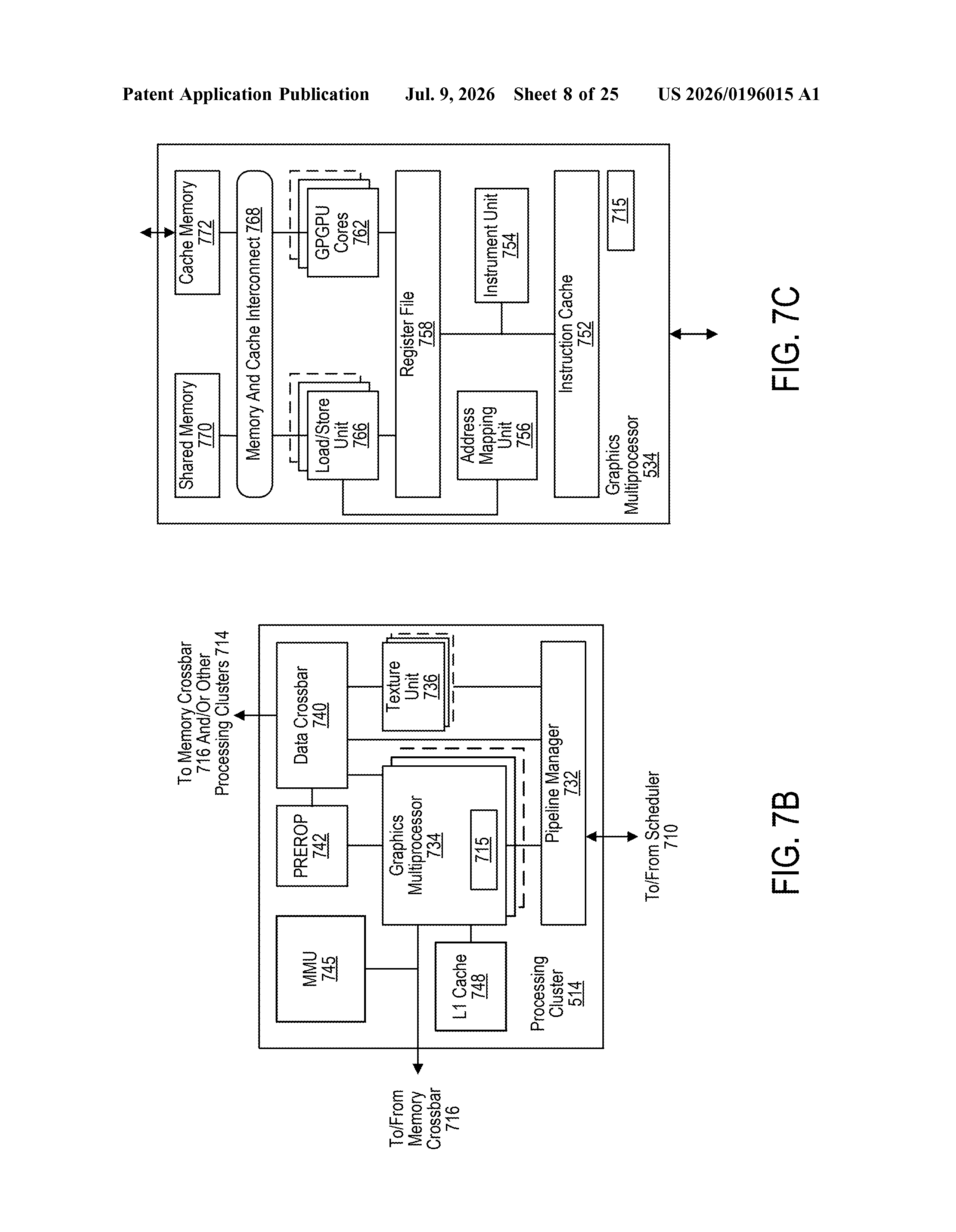
25 drawing sheets from US 2026/0196015 A1 · click any drawing to enlarge
Want this weekly breakdown for a company we don't cover? Patentlyze Pro →