
Nvidia Patents Software That Fills In Missing Data Points Using Gap Size as a Clue
Most AI models panic when data goes missing. Nvidia is patenting an approach that turns the size of the gap itself into a useful signal for making smarter guesses about what belongs there.
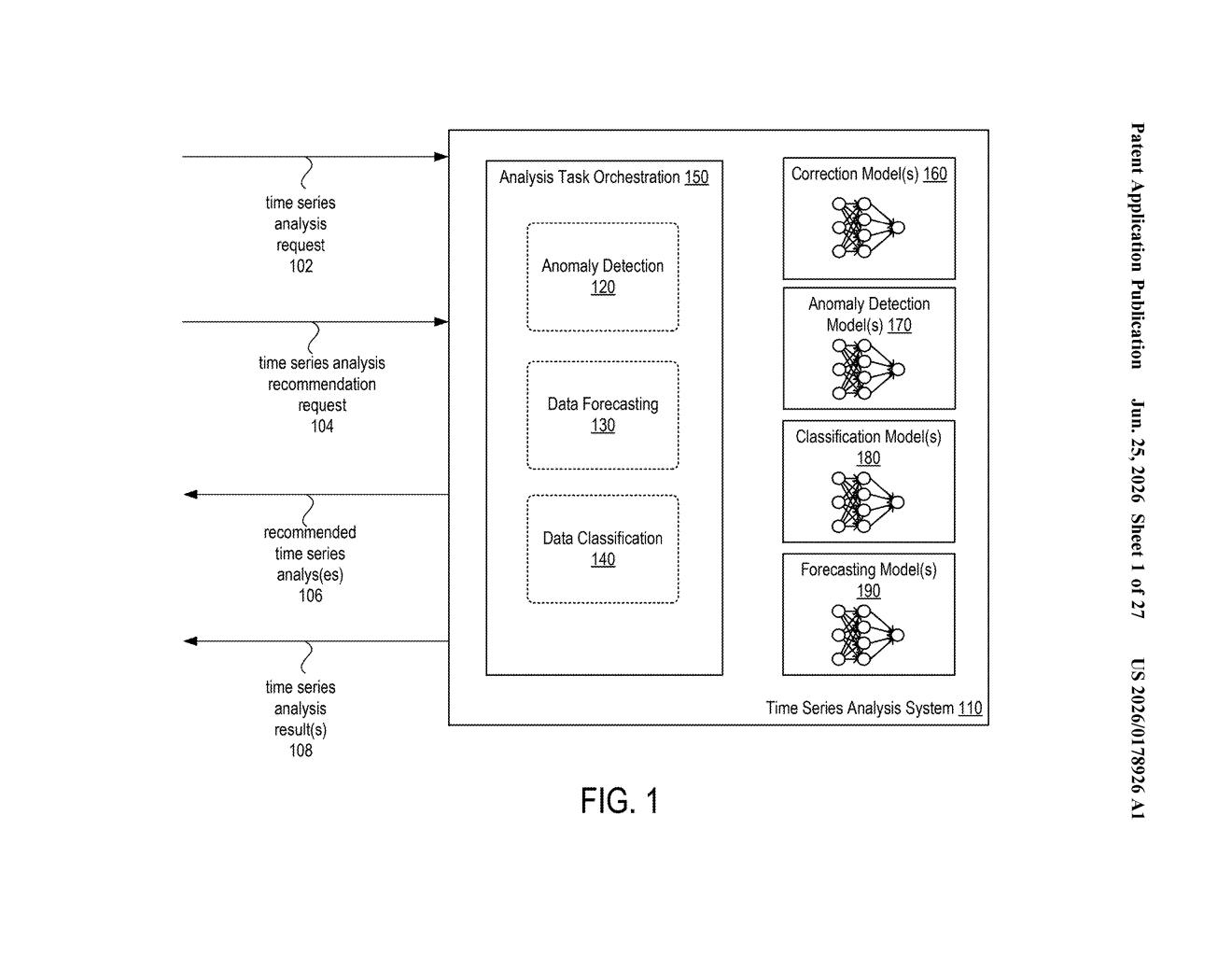
What Nvidia's missing-data filler actually does
Imagine a heart-rate monitor that loses its connection for 30 seconds. When the data stream picks back up, there's a blank stretch in the record. Most software either ignores that hole or fills it with a simple average, which can mislead doctors or trigger false alarms.
Nvidia's patent describes a neural network that does something more thoughtful: it looks at how long the gap was, and uses that timing information to make a better-informed guess about what the missing readings probably looked like. A 2-second gap and a 2-minute gap call for very different guesses, and this system knows that.
The idea applies anywhere you have data that arrives over time but sometimes goes missing, whether that's sensor feeds, financial ticks, server logs, or medical monitors. By treating the gap itself as meaningful input, the system can produce more accurate completions of the record.
How interval information guides the prediction
The patent centers on a processor whose circuits feed interval information (the timing and duration of gaps in a data stream) into one or more neural networks alongside whatever data does exist. That combination lets the network make predictions about the missing values that are calibrated to the specific gap, rather than ignoring how much time passed.
Time series data is any stream of measurements recorded at intervals over time: stock prices every second, temperature readings every minute, a user's step count every hour. When entries go missing due to dropped connections, sensor failures, or transmission errors, downstream models that depend on that data can produce wrong outputs.
The key insight is that the size and position of a gap is itself informative. A short gap in a slow-moving signal is very different from a long gap in a volatile one. Traditional imputation methods (filling-in techniques) often treat all gaps the same way.
By encoding interval metadata directly into the network's input, the system can theoretically:
- Scale its uncertainty based on gap length
- Account for known cyclical patterns that span the gap
- Produce outputs that downstream models can trust more reliably
Why gap-aware forecasting changes real-world AI
For Nvidia, this sits squarely in its push into AI inference hardware and software. Time series prediction shows up in autonomous vehicles (sensor dropout), data centers (telemetry gaps), healthcare devices, and financial systems. Any of those verticals already buys Nvidia GPUs; a patented inference technique that makes those GPUs better at handling messy real-world data is a meaningful product differentiator.
For you as an end user, the practical payoff is AI-powered systems that degrade more gracefully when connectivity is spotty or sensors fail. A self-driving car that reasons carefully about a 200-millisecond radar gap is meaningfully safer than one that simply extrapolates the last known reading.
This is a focused, incremental idea rather than a dramatic leap, but it addresses a genuine and widespread problem in deployed AI systems. The fact that Nvidia is filing it suggests the company sees it as infrastructure for its inference platforms, not a research curiosity. Worth a watchful eye.
There are more where this came from
We read every patent application Big Tech publishes and send you the ones worth knowing. Plain English, free, every week.
Want this weekly breakdown for a company we don't cover? Patentlyze Pro →