
Samsung Patents a Drive That Clears Out Obsolete Files Before You Ask
Flash storage has a quirky problem: you can't write new data until old data is erased first — and erasing takes time. Samsung's latest patent tries to get that housekeeping done before you're in a rush.
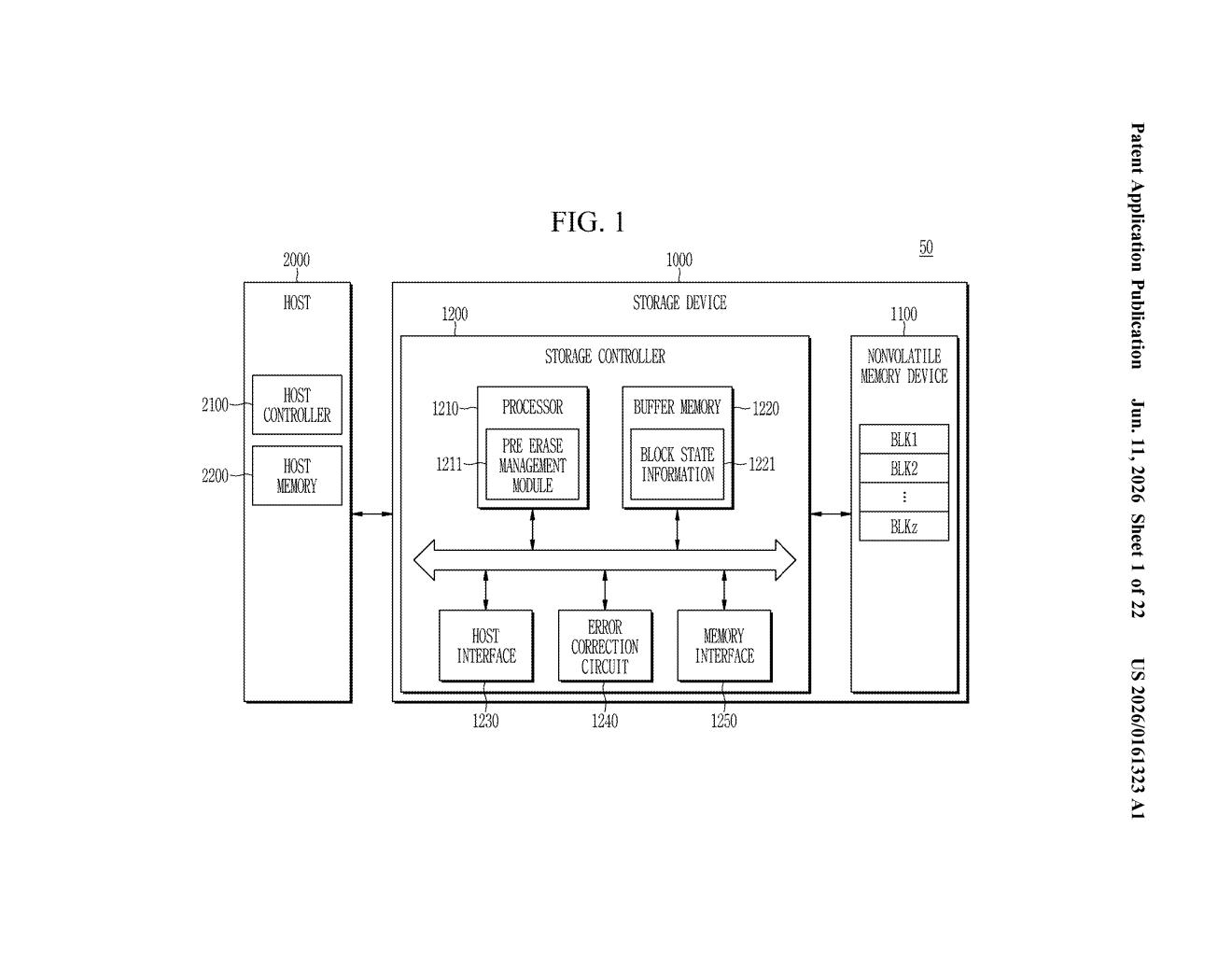
What Samsung's pre-erase storage trick actually does
Imagine your closet is full of boxes labeled 'junk' — stuff you no longer need. Every time you want to store something new, you have to stop, haul out a junk box, empty it, and then put your new thing away. That wait is frustrating. Flash storage — the kind inside your phone, laptop SSD, or USB drive — works almost exactly like that.
Samsung's patent describes a system where your computer (the 'host') and the storage drive work together during quiet moments to pre-erase blocks of outdated, invalid data before you actually need that space. The host asks the drive for a map of which blocks are full of useless data, then instructs the drive to quietly clean those blocks out in the background.
The result: when you go to save a large file or install an app, the drive already has clean, ready-to-write space waiting. No on-the-spot cleanup delay.
How the host and drive coordinate block-level pre-erasing
The patent describes an electronic system with two main players: a host (the CPU or system controller in your PC, phone, or server) and a storage device (an SSD or similar nonvolatile flash drive).
Here's how the coordination works:
- The host sends a block status analysis command to the drive — essentially asking, 'Which of your memory blocks are filled with invalid (outdated or deleted) data?'
- The drive surveys its nonvolatile memory blocks and returns block status information — a kind of health report indicating which blocks are clean, partially used, or full of garbage data.
- Armed with that map, the host issues a pre-erase command, telling the drive to wipe those invalid blocks now, before they're urgently needed.
The key word is 'pre' — this erasure happens proactively, typically when the system is idle, rather than reactively, when a write operation is already waiting. Flash memory cells must be erased before they can be rewritten (unlike a hard disk that can overwrite in place), so doing this work early removes a critical bottleneck. The host-driven design also gives the broader system more control over when that erase workload runs, which matters for managing heat, power draw, and performance peaks.
What this means for SSD write speeds and device longevity
SSD performance degrades over time partly because drives get caught doing erase work at the worst possible moment — right when you're trying to write something. This is a well-known problem called write amplification and garbage collection latency, and it's why a brand-new SSD feels faster than a well-used one. By shifting erase work to idle windows and giving the host system visibility into block health, Samsung's approach could help drives maintain more consistent performance over their lifespan.
For consumers, the practical upside is a drive that feels less sluggish after years of use. For enterprise customers — data centers running thousands of SSDs — the gains could be more meaningful: predictable write latency and better control over when background maintenance runs, which helps avoid storage bottlenecks during peak workloads.
This is unglamorous plumbing work, but it addresses a real and persistent pain point in flash storage. The host-coordinated approach is a meaningful architectural choice — offloading the 'when to erase' decision to the system controller rather than leaving it entirely to the drive's internal firmware is a sensible way to make storage behavior more predictable. Don't expect a headline product feature, but this kind of patent tends to quietly ship in enterprise SSDs and eventually trickle into consumer drives.
There are more where this came from
We read every patent application Big Tech publishes and send you the ones worth knowing. Plain English, free, every week.
Want this weekly breakdown for a company we don't cover? Patentlyze Pro →