
Qualcomm Patents Faster Camera Technology That Measures How Far Away Objects Are
Qualcomm has filed a patent for a depth-sensing system that can shift gears mid-frame, doing a full pixel scan when it needs precision and a trimmed-down scan when speed matters more.
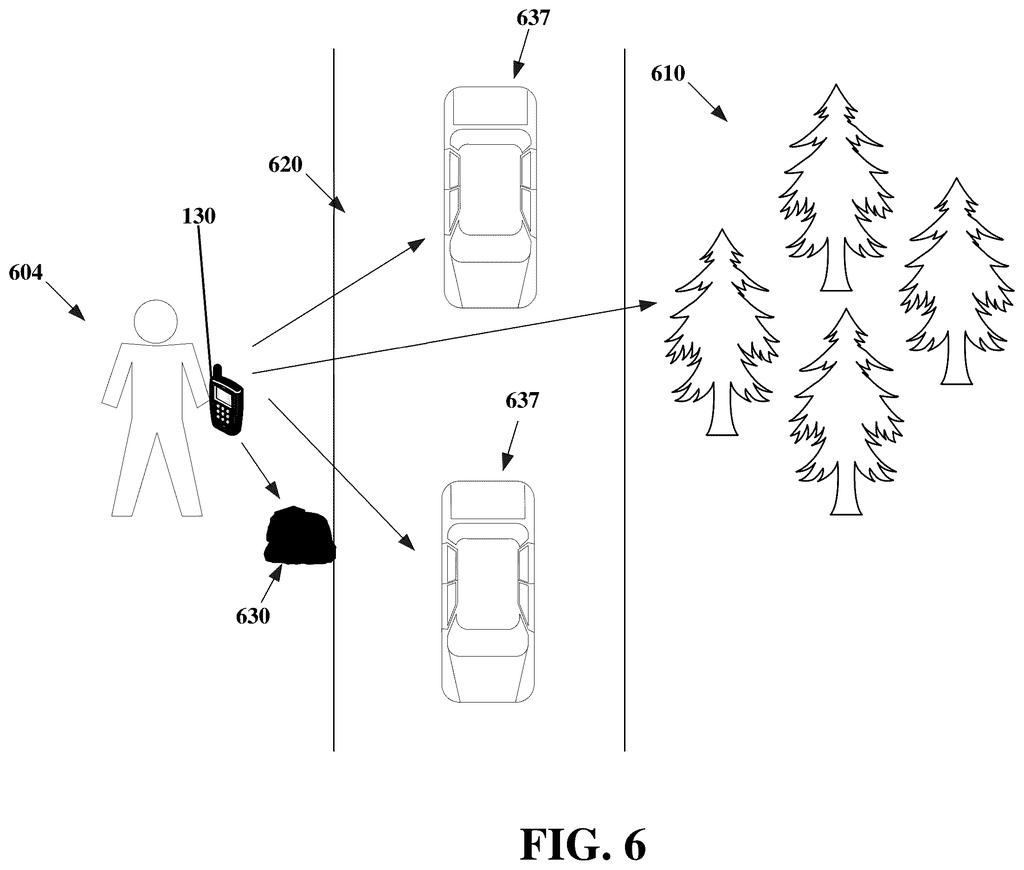
What Qualcomm's dynamic depth switching actually does
You're pointing your phone's camera at an object and the app needs to know exactly how far away it is. Building that distance map in real time takes a lot of computing power, and doing it for every single pixel in every single frame can slow things down or drain the battery fast.
Qualcomm's patent describes a system that picks its moment. Instead of always running the heavy, full-pixel scan, the camera figures out which object you care about (either because you tapped it or because the system spotted it automatically) and then switches to a faster, narrower scan focused only on that object. The full search is still there when needed, but the system dials it back the rest of the time.
The result is a depth-sensing setup that does less work without losing the detail that matters to you, keeping performance up on devices that can't afford to burn through battery just to measure distance.
… switch from a full search of a pre-defined search range of pixels, of stereo image frames, of the object to a reduced search of a reduced range of pixels, of the stereo image frames, of the object; …
Translation: The camera speeds up by looking at fewer pixels once it finds the target.
How the processor cuts its pixel search on the fly
The patent describes a stereo vision pipeline (a method for calculating depth by comparing two slightly offset camera images, the same way your two eyes give you a sense of distance) that can dynamically switch between two operating modes.
Full search mode scans a pre-defined range of pixels across a stereo image pair to find matching points and calculate depth across the entire scene. This is thorough but computationally expensive.
Reduced search mode narrows that pixel range to a smaller window, focused specifically on the object of interest. The object is identified in one of two ways:
- User direction: the person taps or selects the object manually.
- Automatic ROI selection: the system detects a region of interest (a part of the image worth focusing on) on its own, without user input.
Once the target object is locked in, the processor switches to the reduced search and generates the stereo depth output from that narrower scan. The key claim is the dynamic switching itself: the system isn't locked into one mode. It can move between full and reduced searches based on what the scene requires, keeping depth accuracy where it counts while reducing the workload everywhere else.
determine an object by user direction or by an automatic region of interest (ROI) selection; …
Translation: The system figures out what to focus on either by user input or automatic detection.
What this means for AR headsets and mobile cameras
For anyone using a device with a depth-sensing camera, whether that's an AR headset, a high-end Android phone, or an XR accessory powered by a Qualcomm chip, this kind of adaptive processing is what keeps the experience from feeling sluggish. Depth maps that lag behind the real world break the illusion in AR and make object-tracking feel unreliable. A system that trims its own workload when full precision is not needed can close that gap.
Qualcomm supplies the processors that run inside a wide range of mobile and XR devices, so efficiency patents like this one tend to reach hardware faster than similar work from companies that don't own the chip stack. The latest Big Tech patents in depth-sensing and XR processing show a consistent push toward adaptive, object-aware computation, and this filing fits squarely in that current.
The payoff for the person holding the device is real and specific: depth-sensing that keeps up in real time without cooking the processor. Most users will never see a settings toggle for this, but they will notice when AR annotations stay locked to objects instead of drifting, or when a portrait-mode bokeh effect responds instantly rather than stuttering. That is the gap this patent is designed to close, and narrowing the pixel search to what you actually selected is a sensible way to close it.
There are more where this came from
We read every patent application Big Tech publishes and send you the ones worth knowing. Plain English, free, every week.
The drawings
8 drawing sheets from US 2026/0238749 A1 · click any drawing to enlarge


Want this weekly breakdown for a company we don't cover? Patentlyze Pro →
Be the first to weigh in