
Qualcomm Files Patent to Cut Call Echo With a Sound You Can't Hear
When you put a phone call through a TV or an external speaker, the person on the other end can hear their own voice bounce back. Qualcomm's filing fixes that by having your phone ask the speaker to play a tone too high for human ears, then timing how long it takes to come back.
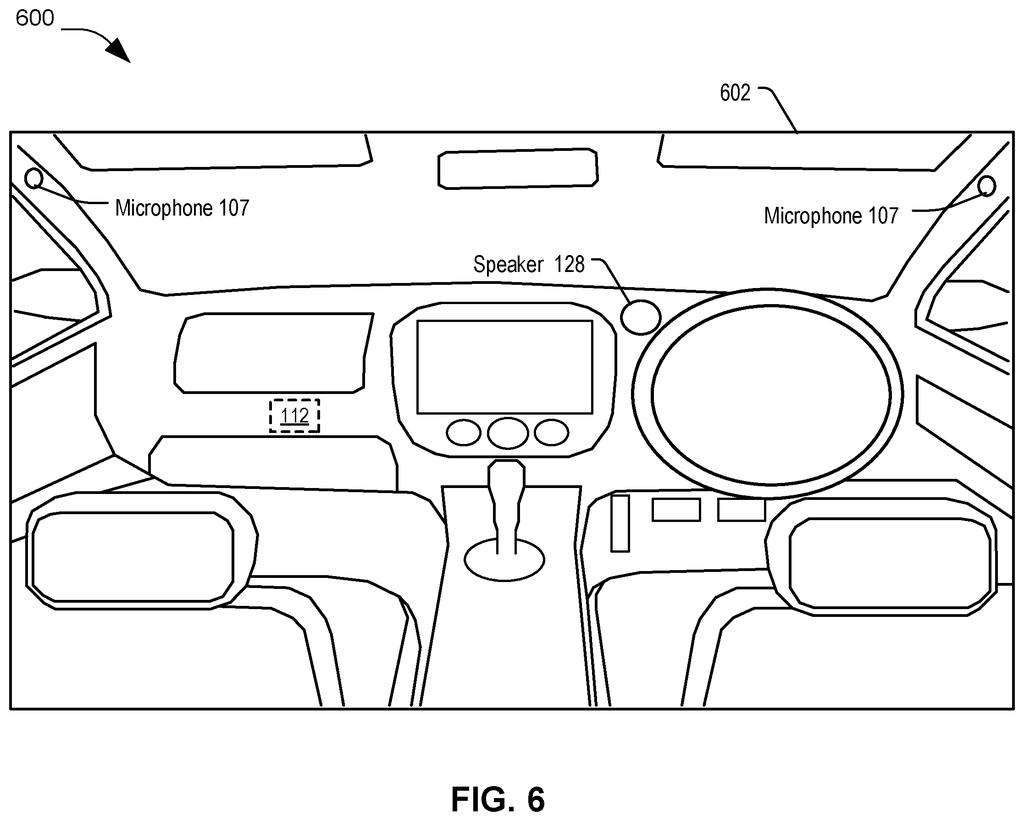
What Qualcomm's inaudible echo test actually does
Imagine you're on a video call with your phone plugged into the TV, so your friend's voice plays through the big speakers. Your friend keeps hearing their own words come back a split second late. That's echo: your microphone picks up the TV speaker and sends it straight back to them.
Phones try to erase echo by subtracting a delayed copy of the far-end voice. The catch is knowing the right delay, and with an outside speaker it can run from a few milliseconds to hundreds. In this filing, Qualcomm has the phone tell the speaker to play a tone too high for people to hear (about 20 to 22 kHz), then listen for it. The time it takes to arrive gives the delay.
If the speaker can't play the tone, the phone falls back on a trained AI model that estimates the delay instead.
… transmit a signal to the external device, the signal instructing the external device to output a reference sound in an ultrasound frequency range …
Translation: The phone tells the external speaker to play a sound that people cannot hear.
How the phone times a tone you can't hear
When the phone detects a connection to an external device with a speaker (the filing's examples include an HDMI cable, Bluetooth and Wi-Fi), it sends a signal asking that device to play a reference sound in the ultrasound range, which the filing gives as about 20 to 22 kHz. People can't hear that range, so nobody in the room notices.
The phone then checks its microphone. If the tone shows up, it picks the first of two echo delay calculation processes. It measures the time from sending the request to hearing the tone, and treats that as the echo path delay, meaning the lag between the speaker playing sound and the microphone catching it. The filing describes this route as highly accurate and cheap in computing terms.
If no tone arrives, perhaps because the speaker's audio chip can't produce ultrasound, the phone picks the second process. A trained model (a machine-learning program that learned from examples) estimates the delay. The filing says this can be just as accurate but may take time to settle, and the far-end listener may hear some echo in the meantime.
Either result feeds the echo cancelation step, which can use a second trained model to set details such as how long to hold the far-end audio before subtracting it. The checks can repeat every few milliseconds to catch new connections, and the tone request can be sent more than once.
… select a particular echo delay calculation process from among two or more echo calculation processes based at least on whether the reference sound is detected …
Translation: It chooses how to measure and remove echoes based on whether that hidden sound comes back.
Why TV and HDMI calls could sound cleaner
If you take calls through a TV, a car system or another outside speaker, a better delay guess means the person you're talking to hears less of their own voice. The filing's own example: a phone that assumes 20 milliseconds when the real lag over HDMI is 200 starts 180 milliseconds off, which leaves leftover echo for the caller at the far end.
The examiner's first review rejected the claims as filed, a routine step that is usually followed by amendments, so nothing here is settled. The filing names no product. The claims cover a device such as a smartphone paired with an external speaker.
That makes this Qualcomm's 65th filing we've tracked in our cell phone patents since May, a run that includes work on routing calls to one earbud and filtering bad GPS satellites.
The phone side of this looks close to shippable. A microphone, a link to a speaker and a processor are already in every phone, so the shortest route to a product is a software change in the call audio code.
The harder part is the other end. The speaker or TV has to be able to play a tone around 20 to 22 kHz, and the filing admits some audio chips can't. That explains the backup AI estimate in the claims: it covers every speaker that stays silent, so only speakers that support the tone get the fast, accurate path at first.
Verdict: a modest, practical fix for a problem anyone who has put a call on a TV will recognize. If it ships, the payoff shows up as fewer "I can hear myself" complaints, with no new gadget to buy.
Get our take in your Top Stories
Liked this breakdown? Add Patentlyze as a preferred source on Google, and our plain-English take shows up more often in your Top Stories the next time Qualcomm patent news breaks.
There are more where this came from
We read every patent application Big Tech publishes and send you the ones worth knowing. Plain English, free, every week.
The drawings
10 drawing sheets from US 2026/0343144 A1 · click any drawing to enlarge


Show the other 2 sheets


Want this weekly breakdown for a company we don't cover? Patentlyze Pro →
Be the first to weigh in