
Qualcomm Files Patent to Route Phone Calls to Just One Shared Earbud
Share your earbuds with a friend, and when a call comes in, both of you normally hear the caller. Qualcomm's filing sends the call to just one earbud.
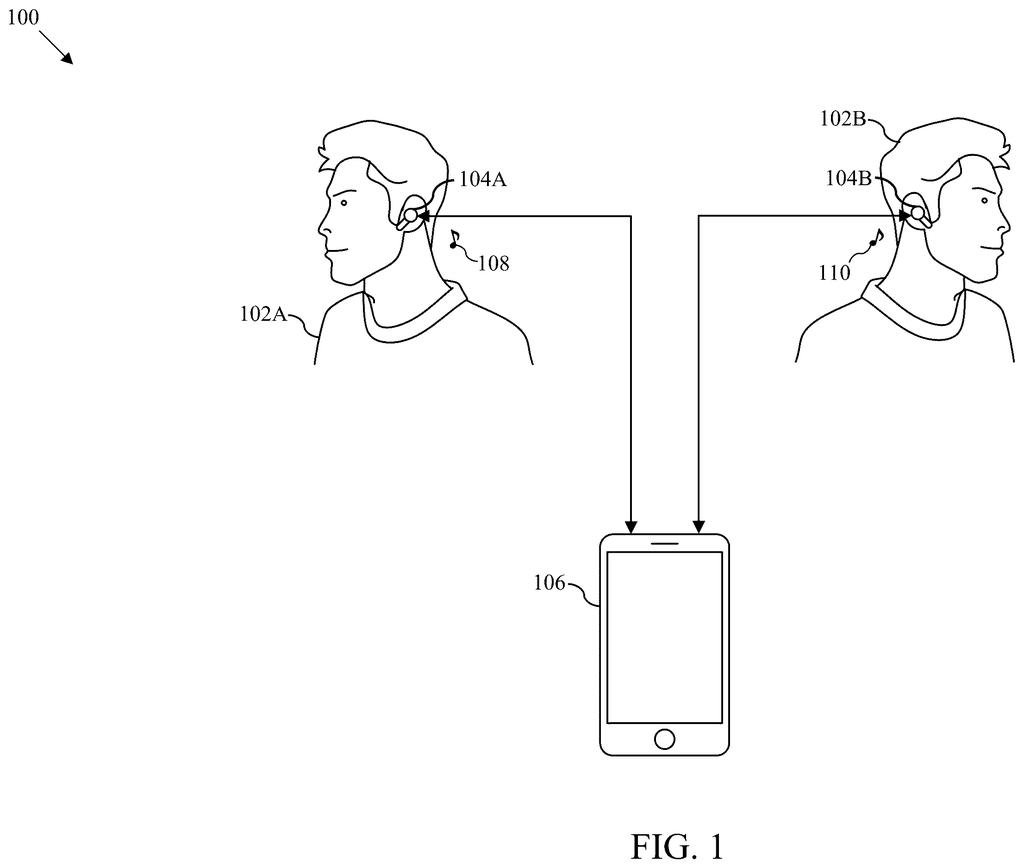
What Qualcomm's one-earbud call routing does
Ever shared your earbuds with a friend on the train, only for your phone to ring mid-song? Usually both earbuds carry the same sound, so your friend hears every word the caller says, including anything private.
Qualcomm's filing describes a fix. When a call (or a reminder, or a voice assistant reply) arrives, your phone cuts the music in one earbud and plays the call there alone. The other earbud keeps playing the song or podcast, so your friend never overhears the call.
You pick which earbud gets the call by tapping or swiping on the screen, or by saying something like "Answer the call in right earbud." Each earbud can also get its own volume slider. When the call ends, the music comes back in that earbud and lines up with the other one again.
… interrupt the stream of the first audio on the second earbud based on the reception of the audio stream event; and stream the second audio exclusively on the second earbud.
Translation: It stops the music on one earbud when a call comes in, playing the call only on that side.
How the phone swaps music for a call in one ear
The system runs on the phone (or tablet, laptop or smartwatch) that feeds sound to the earbuds over Bluetooth. It first streams a first audio, such as music or a podcast, to both earbuds. When an audio stream event arrives (an incoming call, an alarm, a calendar reminder or a voice assistant reply), the phone interrupts the music on one chosen earbud and sends the new sound, the second audio, only there.
You can choose the earbud in several ways:
- A menu with options like "Select left earbud," "Select right earbud" and "Select both earbuds."
- A swipe on the screen toward an earbud icon.
- A voice command such as "Answer the call in right earbud."
- A saved setting that names a priority earbud for calls.
The other earbud keeps playing the music, and each earbud gets its own volume slider. If the music is in stereo, the phone can switch the remaining earbud to mono so no part of the song is lost. When the call ends, the music resumes on the first earbud and re-syncs with the other. You can also move the call from one earbud to the other mid-call while both are still worn.
The filing also describes a privacy guard. If the phone detects shared listening, it can hold back sensitive audio, like a voice note with banking details, until you explicitly pick an earbud.
… stream a first audio associated with the media content on a pair of linked earbuds. The pair of linked earbuds includes a first earbud and a second earbud.
Translation: Your phone plays music normally across both of your wireless earbuds.
Why sharing earbuds gets less awkward
If you share earbuds on a commute, at the gym or on a study break, you would get a clean way to take a call without broadcasting it to your friend. Their music keeps going, and your caller stays private.
The description puts the control logic in the phone, with a call screen that lets you choose left, right or both. The claims focus on calls, but the filing names alarms, reminders and voice assistant replies as other triggers, so the same trick could cover many small interruptions that make shared listening awkward.
This is the 64th Qualcomm filing in our cell phone coverage we've tracked since May, joining ones like one on filtering bad GPS satellites and one on skipping redrawn GPU points.
If you have ever shared earbuds, you know the awkward moment when a call comes in. The filing says the usual setup sends the same audio to both ears, so your friend hears the caller too. Here you answer in one ear while your friend keeps listening to the song.
You would notice it the first time a call arrives on a shared commute, and the benefit shows up right away. The privacy hold for sensitive voice notes matters most: a message with banking details waits until you choose an ear.
The idea is simple, and the swipes, menus and voice commands in the claims are routine phone software. It only helps people who share a pair, a modest slice of earbud use. For those people, the fix is welcome.
Get our take in your Top Stories
Liked this breakdown? Add Patentlyze as a preferred source on Google, and our plain-English take shows up more often in your Top Stories the next time Qualcomm patent news breaks.
There are more where this came from
We read every patent application Big Tech publishes and send you the ones worth knowing. Plain English, free, every week.
The drawings
10 drawing sheets from US 2026/0343148 A1 · click any drawing to enlarge


Show the other 2 sheets


Want this weekly breakdown for a company we don't cover? Patentlyze Pro →
Be the first to weigh in