
Intel Patents Technology That Turns Cell Towers Into Radar Tracking Systems
What if your city's 5G towers could track moving cars and pedestrians without a single dedicated radar unit? Intel has a patent for exactly that.
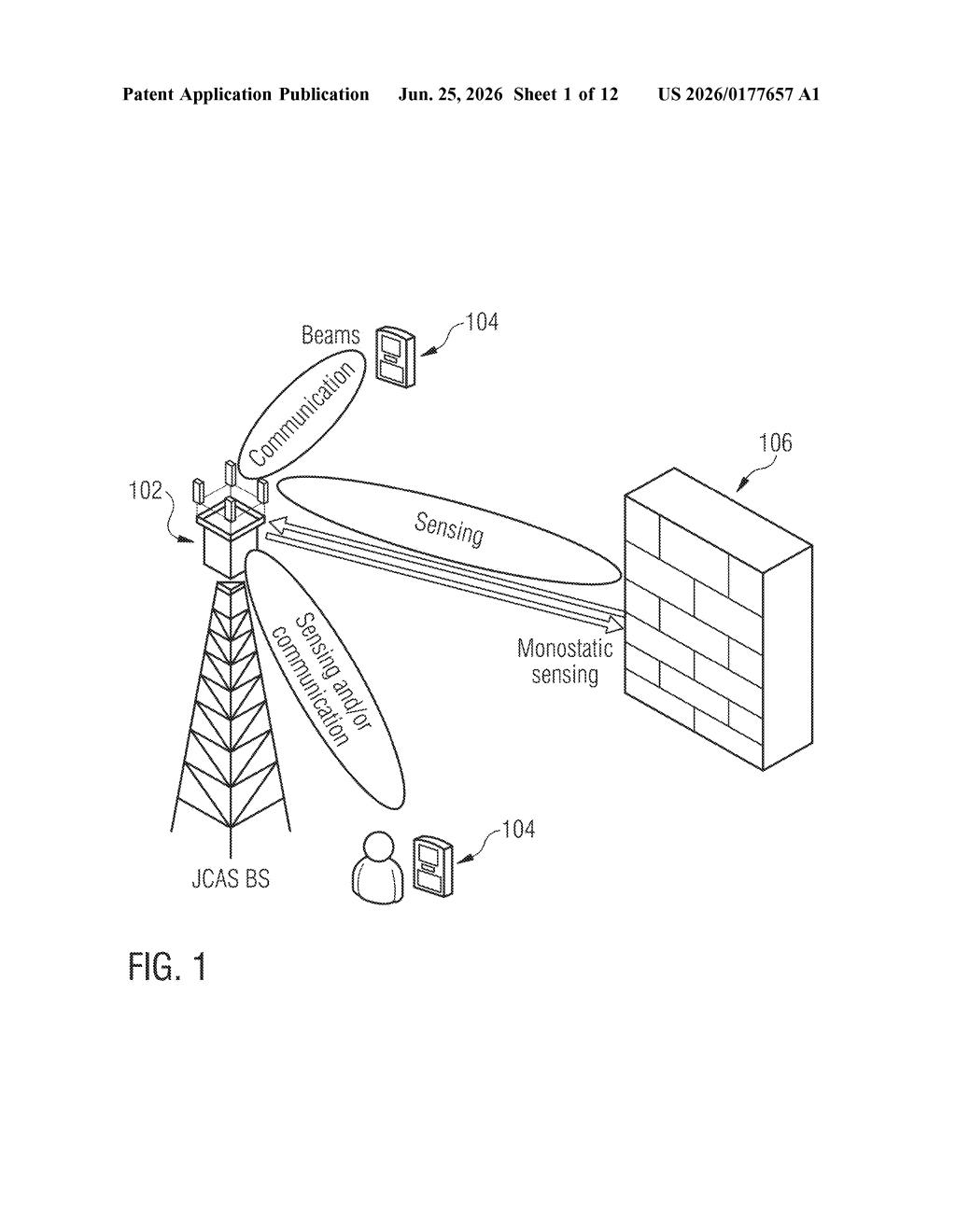
How Intel hides radar inside a 5G cell tower
Imagine a traffic intersection where the city wants to know how fast cars are moving and where pedestrians are standing, but nobody wants to pay for and maintain a separate radar system on every corner. Intel's patent describes a way to do that sensing job using the same radio hardware already installed for 5G cellular service.
The trick is that modern 5G base stations are already sending and receiving radio waves constantly. Intel's design adds a processing layer that analyzes those signals to calculate how far away objects are, how fast they're moving, and which direction they're headed. It's the same basic idea as police speed radar, just built into infrastructure that's already there.
The system is designed for "disaggregated" 5G networks, which is a fancy way of saying the radio antenna and the computing brain are split into separate boxes connected by a cable or fiber link. Intel's approach compresses the data at the antenna end so it travels efficiently, then unpacks it at the processing end only when and where it's actually needed, saving bandwidth on that connection.
How the signal pipeline converts beam data for precise targeting
The patent describes an apparatus that sits inside the distributed unit (DU), the computing portion of a split 5G base station, and runs a radar-processing pipeline on signals collected by the remote radio unit (RRU), the antenna box mounted on a tower or building.
The processing pipeline runs several steps in sequence:
- Range processing calculates how far away a target is based on how long the signal took to bounce back.
- Doppler processing measures velocity by detecting the frequency shift in a return signal (the same effect that makes a passing ambulance siren sound higher then lower).
- 2D range-Doppler periodogram combines those two measurements into a single map of detected objects.
- CFAR detection (constant false alarm rate) filters out noise to find real targets without generating too many false positives.
- Angular resolution pinpoints direction using the spacing between antenna elements.
The key engineering detail is where decompression fits in. The radio unit sends data in beam domain format, meaning the antenna array has already partly processed the signal into directional beams. This compressed form travels efficiently over the fronthaul link (the cable between antenna and processor). Intel's design converts it back to raw antenna domain data only after CFAR filtering has already discarded most of the noise, so the heavy decompression work happens on a smaller, cleaner dataset.
What this means for smart cities and connected infrastructure
For telecom operators and municipalities investing in 5G infrastructure, this matters because it potentially turns sunk costs into additional services. A base station that can also sense its environment could support traffic management, pedestrian safety systems, or industrial floor monitoring without requiring a separate sensor network.
For Intel specifically, this is squarely in its push to sell the compute chips and reference designs that run the "Open RAN" disaggregated network architecture. If radar sensing becomes a standard feature of distributed units, the hardware running that sensing pipeline becomes a bigger market. For everyday users, the most plausible near-term effect is smarter intersections and industrial facilities rather than anything that touches a personal device.
This is a genuinely interesting infrastructure patent, not a consumer gadget play. The specific insight, delaying decompression until after noise filtering, is a real engineering tradeoff worth paying attention to if you follow Open RAN or smart-city sensor networks. It won't make headlines the way an iPhone feature would, but it's the kind of quiet optimization that determines whether a technology is actually deployable at scale.
There are more where this came from
We read every patent application Big Tech publishes and send you the ones worth knowing. Plain English, free, every week.
Want this weekly breakdown for a company we don't cover? Patentlyze Pro →