
New Samsung Patent Targets Dynamic 5G Network Software That Reorganises Itself Under Load
Samsung wants its 5G and 6G network software to reorganize itself automatically when the hardware underneath it changes. It's a behind-the-scenes plumbing patent, but the goal is networks that don't need constant human babysitting.
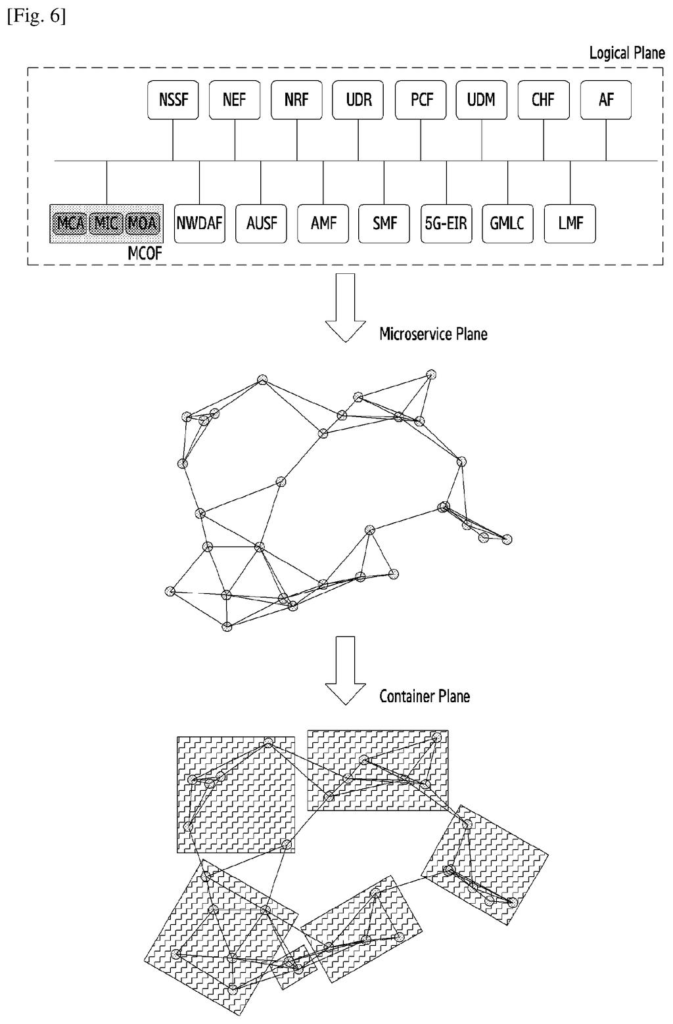
What Samsung's network self-reorganizing system actually does
Imagine a restaurant kitchen where every cook (software task) is assigned to a specific station (server). If a station breaks down or gets overloaded, everything grinds to a halt until someone manually reassigns the cooks. That's roughly how many telecom networks work today.
Samsung's patent describes a system that watches the available physical hardware in a 5G or 6G network and automatically reshuffles the software components running on top of it. When resources free up or disappear, the system regroups those components into new bundles and redeploys them without waiting for a network engineer to intervene.
The practical upshot is a network that can adapt to changing conditions faster and with less manual effort, which matters a lot as carriers try to run leaner operations on next-generation infrastructure.
How the system monitors hardware and reassigns workloads
The patent centers on a network entity (a controller or orchestration layer) that manages small, independent software components called microservices. Microservices are a modern way of building software: instead of one giant program, you have dozens of small, specialized ones that each handle a specific job.
The system works in three main steps:
- Acquiring status information about available bare-metal resources (the actual physical servers, chips, and memory in the network, as opposed to virtual machines sitting on top of them).
- Deciding to re-cluster the microservices, meaning figuring out which microservices should be grouped together and run as a unit based on current hardware availability.
- Re-clustering them into containerized images (self-contained software packages, similar to how Docker containers work) and redeploying them.
The patent targets 5G and 6G environments specifically, where network functions are increasingly software-defined and expected to run on commodity hardware rather than expensive proprietary equipment. Managing which software runs where, and adjusting that dynamically, is a real operational challenge at scale.
What this means for 5G and future 6G infrastructure
Telecom operators are in the middle of a long transition away from purpose-built network hardware toward software running on standard servers. That flexibility is valuable, but it introduces a new problem: you now need something to continuously manage where all that software lives and whether it's running efficiently. Samsung's patent addresses exactly that management layer.
For end users, this is entirely invisible. But if it works as described, it could contribute to more reliable connections and faster recovery when parts of a network go down, since the system reacts to hardware problems automatically rather than waiting for human intervention. It also fits Samsung's broader push to be a full-stack 5G and 6G supplier, selling not just radios but the software brains behind them.
This is a straightforward infrastructure-management patent with no consumer-facing angle. Samsung is one of the few companies competing with Ericsson and Nokia in end-to-end telecom software, and patents like this are table stakes for that business. It's not exciting, but it's the kind of operational tooling that carriers actually pay for.
There are more where this came from
We read every patent application Big Tech publishes and send you the ones worth knowing. Plain English, free, every week.
The drawings
13 drawing sheets from US 2026/0211714 A1 · click any drawing to enlarge


Want this weekly breakdown for a company we don't cover? Patentlyze Pro →
Be the first to weigh in