
Samsung Files Patent to Ship 3D Scenes Inside Ordinary Video Files
A single 3D scan of a room can weigh more than 1.6 GB before any compression. Samsung's filing sends it through the same video tools your phone already uses.
What Samsung's 3D-scan-as-video patent does
Ever tried to email a video and been told the file is too big? A 3D scan of a room, the kind you can look around in from any angle, is far bigger. The filing says one scene made of 7 million tiny fuzzy blobs of color (called Gaussian splats) can take up about 1.65 GB.
Samsung's fix is to hide that 3D data inside something devices already know how to shrink: ordinary video. The patent converts the scene's measurements into whole numbers, lays them out like pixels in video frames, and lets a standard video compressor do the squeezing.
On the receiving end, your device decodes the video, pulls the numbers back out, and rebuilds the 3D scene so you can look around in it. The pitch is that nobody needs special hardware just to compress 3D.
decode the compressed bitstream using a video decoder; retrieve the 3DGS data from raw patches included in a plurality of video frames of the decoded compressed bitstream …
Translation: It unpacks 3D scene data hidden inside regular video frames using standard video tools.
How splat numbers get packed into video frames
Each splat is a fuzzy 3D blob described by 59 numbers: 3 for position, 3 for size, 4 for rotation, 1 for transparency, 3 for base color, and 45 spherical harmonic values (numbers that describe how the color shifts with viewing angle). Stored as 32-bit decimals, that adds up to 236 bytes per splat.
The patent shrinks this in a few steps:
- Convert decimals to integers. Each coordinate's range is chopped into buckets (the filing's example uses 1024, or 2 to the power of 10), and every value gets the whole number for its bucket.
- Pack into video frames. It borrows V-PCC (Video-based Point Cloud Compression, an existing standard) and its "raw patches," regions of a frame that hold data directly. A geometry frame holds x, y and z positions. Separate attribute frames hold scale, rotation, transparency, color and the lighting values.
- Compress with a normal video encoder and send the stream.
The filing also describes splitting 3D space into cubes, with one patch per cube, so each position fits the video's bit depth. And it drops the occupancy map (a mask marking which pixels hold real data), since the decoder can assume every pixel is valid.
The claims cover the receiving device, the matching method, and the sending device.
… the 3DGS data is included as integer values converted from original floating point values …
Translation: The system packs 3D graphics information into standard numbers so regular video players can handle it.
What video-style 3D scans mean for your devices
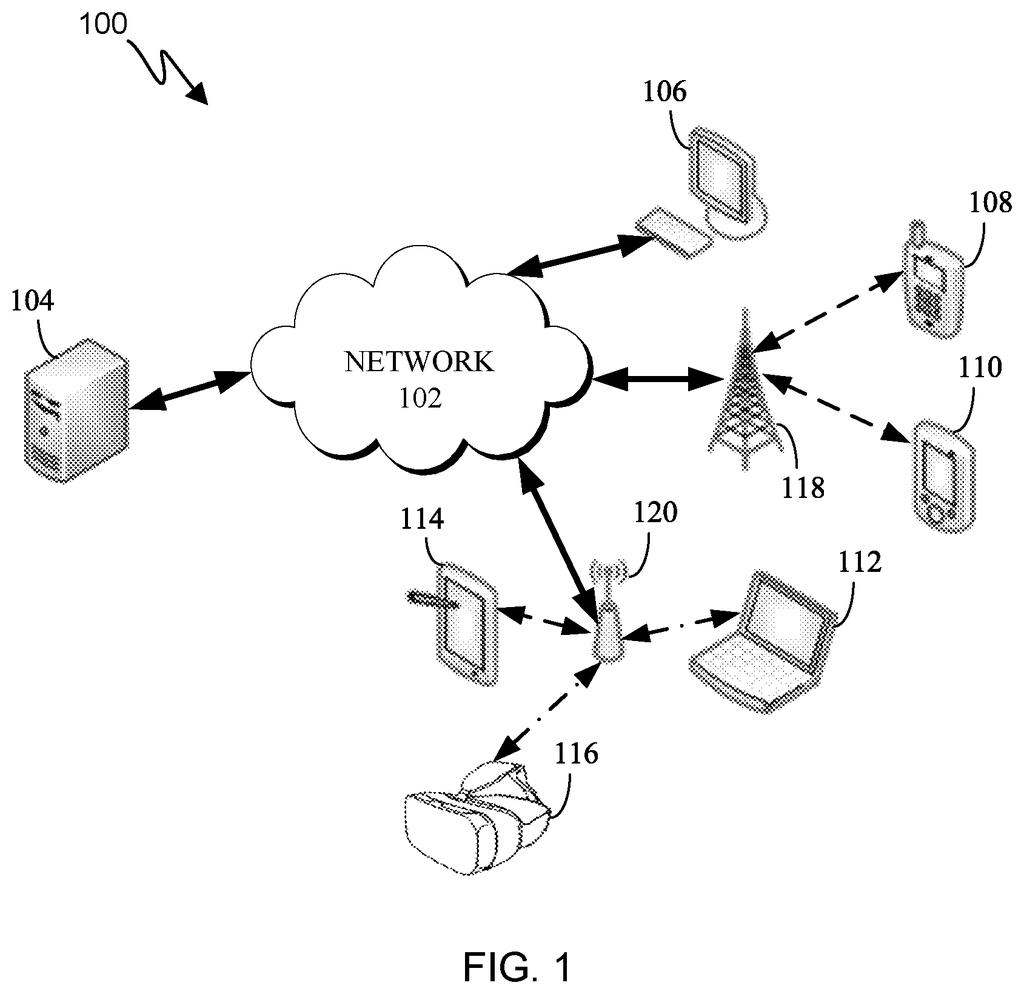
If 3D scenes can ride through standard video pipelines, sharing a walk-around scan of a room or object could start to feel like sharing a clip. The filing lists phones, tablets, TVs and headsets as devices that could receive the stream, and it notes that compressing 3D normally takes specialized hardware. Reusing video decoders already in your devices would lower that barrier.
It also fits where 3D content is going. The filing points out that moving 3D scenes can run at 60 frames per second or more, which multiplies the data problem. A packing scheme that works with existing video tools gives engineers a ready path to compress it.
Samsung's 1521st filing we've tracked since May in our Samsung coverage follows applications like completing cropped people and matching furniture lighting.
Claim 1 covers any device that receives a compressed stream, decodes it with a video decoder, pulls splat data out of frames, and rebuilds the scene. The only technical anchor in the claim is that the numbers must arrive as whole numbers converted from decimals. No specific codec, bit depth, or frame count is required.
That breadth matters in practice. Anyone shipping 3D scene data through ordinary video hardware, whether in a headset, a phone, or a streaming box, would fall inside this claim if granted.
The detailed choices, how the data is arranged, how color and lighting are packed, sit in the dependent claims and offer Samsung narrower fallback positions. But the main claim is what an examiner would push on first, and its width is the whole argument.
Get our take in your Top Stories
Liked this breakdown? Add Patentlyze as a preferred source on Google, and our plain-English take shows up more often in your Top Stories the next time Samsung patent news breaks.
There are more where this came from
We read every patent application Big Tech publishes and send you the ones worth knowing. Plain English, free, every week.
The drawings
13 drawing sheets from US 2026/0330694 A1 · click any drawing to enlarge


Show the other 5 sheets


Want this weekly breakdown for a company we don't cover? Patentlyze Pro →
Be the first to weigh in