
Samsung Files Patent for an AI-Based Location System Built Into 5G and 6G Networks
Samsung has filed a patent for a positioning system that uses AI models inside 5G and 6G networks to figure out exactly where a device is, potentially replacing or supplementing GPS for cases where satellites can't help.
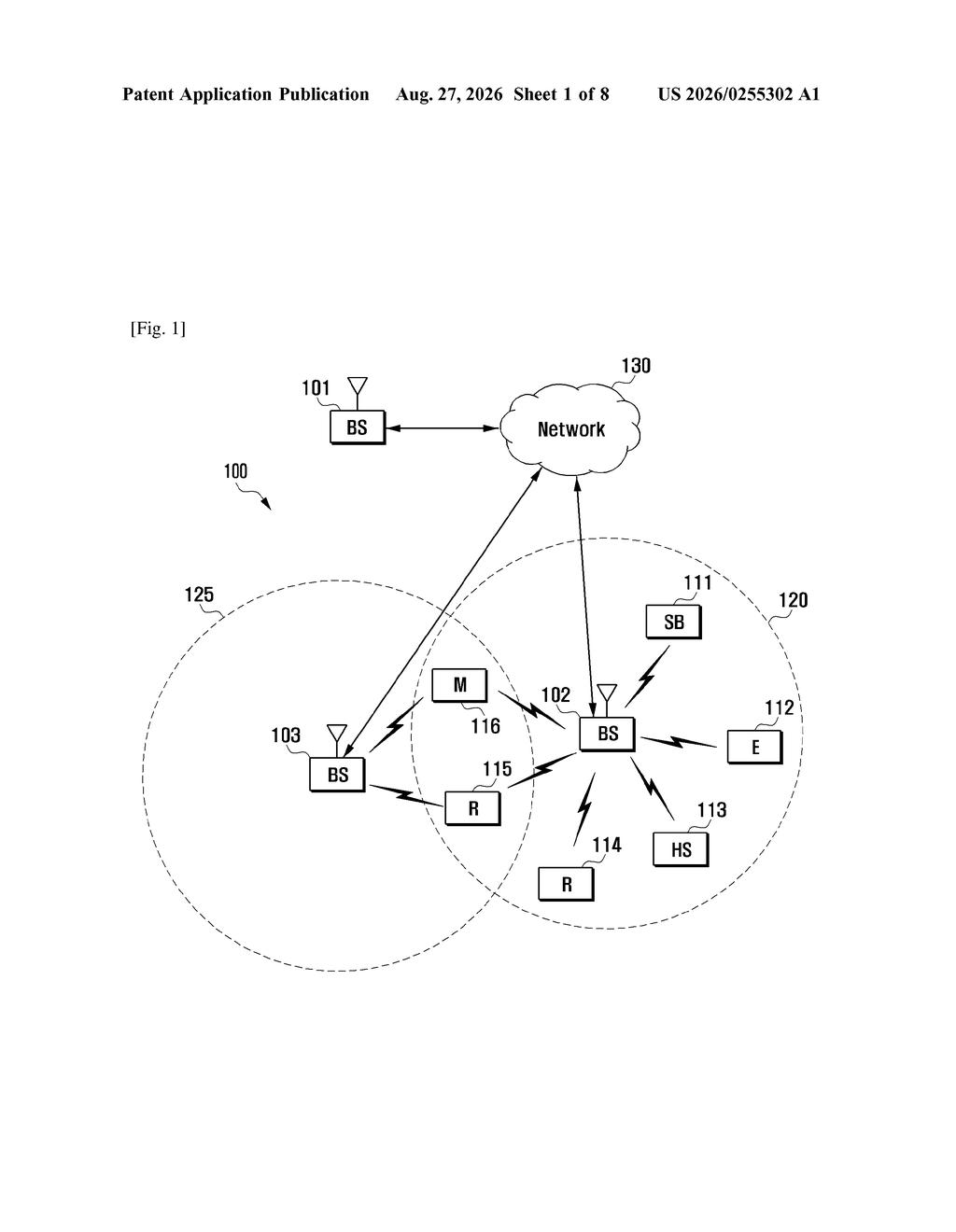
What Samsung's AI-driven network positioning actually does
Every time your phone needs to know where it is indoors, GPS often fails you. The satellite signals that work fine outside get blocked by walls, ceilings, and metal structures, leaving apps guessing.
Samsung's patent describes a system where network nodes (think: the equipment that runs your 5G or 6G connection) share AI-based location models with each other and with your device. Instead of relying only on satellites, the network itself figures out where you are by analyzing how your phone's signal behaves across multiple access points.
The goal is a setup where your device asks the network for positioning information, gets back a result calculated by an AI model, and uses that to place you more accurately. This matters for everything from navigation in airports and hospitals to emergency services finding you when GPS can't.
The method, performed by a first node in a communication system, the method may comprises obtaining related information of a positioning method or model, obtaining positioning information based on the related information of the positioning method or model, and performing positioning-related operations based on the positioning information.
Translation: The system uses AI models to calculate a device's precise location by analyzing data transmitted through the network.
How the patent's nodes share positioning model data
The patent describes a framework involving a first node (which could be a base station, a server, or even the device itself) that carries out three main steps:
- Obtaining related information about a positioning method or AI model, meaning the node learns which technique or trained model to use for calculating location.
- Deriving positioning information from that method or model, the actual computation that estimates where the target device is, based on signal measurements from the network.
- Performing positioning-related operations using the result, acting on the location estimate, whether that means reporting it, refining it further, or triggering some service.
The key addition here is the AI or model layer. Traditional positioning in cellular networks uses fixed mathematical formulas to estimate location from signal timing and strength. This patent introduces the idea that those formulas can be replaced or supplemented by a trained AI model, which can learn from data and potentially handle complex environments like dense buildings where fixed formulas break down.
The document is framed around 5G and 6G infrastructure, meaning this is designed to run on the same hardware carrying your mobile data, not a separate specialized system. Multiple nodes in the network can coordinate, sharing model information to improve accuracy across a coverage area.
What this means for 5G and 6G location accuracy
For everyday users, the practical promise is better location accuracy indoors and in dense urban areas where GPS loses reliability. Emergency dispatch, warehouse logistics, and indoor navigation in large venues like stadiums or hospitals all depend on the network being able to place a device precisely without a satellite fix. If Samsung can bake AI-driven positioning into the 6G standard, it could make that level of accuracy a baseline feature of the next generation of mobile infrastructure rather than an expensive add-on.
From a standards strategy standpoint, this filing signals that Samsung is trying to shape how AI gets embedded into 6G positioning specifications, an area where the 3GPP standards body is actively working. The companies whose ideas end up in the standard gain both technical influence and patent licensing leverage for years. Positioning-related AI filings from major network equipment makers are becoming a consistent thread in Big Tech patent news, as the race to define 6G's AI architecture intensifies.
Samsung's 66th filing we've tracked since May joins earlier work like one on clearing old AR frames and one on isolating voices from noise in our 5G and network push watchlist.
This patent describes a framework for using AI models to figure out where a device is located, leaning on cellular signals rather than GPS. The document itself is still in early negotiation with patent examiners, with its main claim canceled outright, which means the core idea has not yet been approved even on paper.
Getting from this filing to something on your phone requires trained AI models built from enormous amounts of real-world signal data, agreement among global standards bodies, and coordinated hardware and software updates across every carrier and device maker involved. None of those prerequisites are close to finished.
Samsung is staking out a position in a future generation of location technology, and the underlying problem it addresses (phones losing position accuracy indoors) matters to real people. But this is a multi-year infrastructure project, not a feature arriving in any upcoming product.
Get our take in your Top Stories
Liked this breakdown? Add Patentlyze as a preferred source on Google, and our plain-English take shows up more often in your Top Stories the next time Samsung patent news breaks.
There are more where this came from
We read every patent application Big Tech publishes and send you the ones worth knowing. Plain English, free, every week.
The drawings
8 drawing sheets from US 2026/0255302 A1 · click any drawing to enlarge


Want this weekly breakdown for a company we don't cover? Patentlyze Pro →
Be the first to weigh in